The short version
- Catherine Breed completed a 900-mile swim along the entire California coastline in just under four months, finishing at Coronado Beach in San Diego.
- The journey was complicated by unprecedented Super El Niño weather patterns that created strong opposing currents and dangerous wave conditions throughout the Pacific.
- Breed highlighted environmental degradation as a primary concern, describing severe pollution near the southern border while aiming to promote ocean preservation.
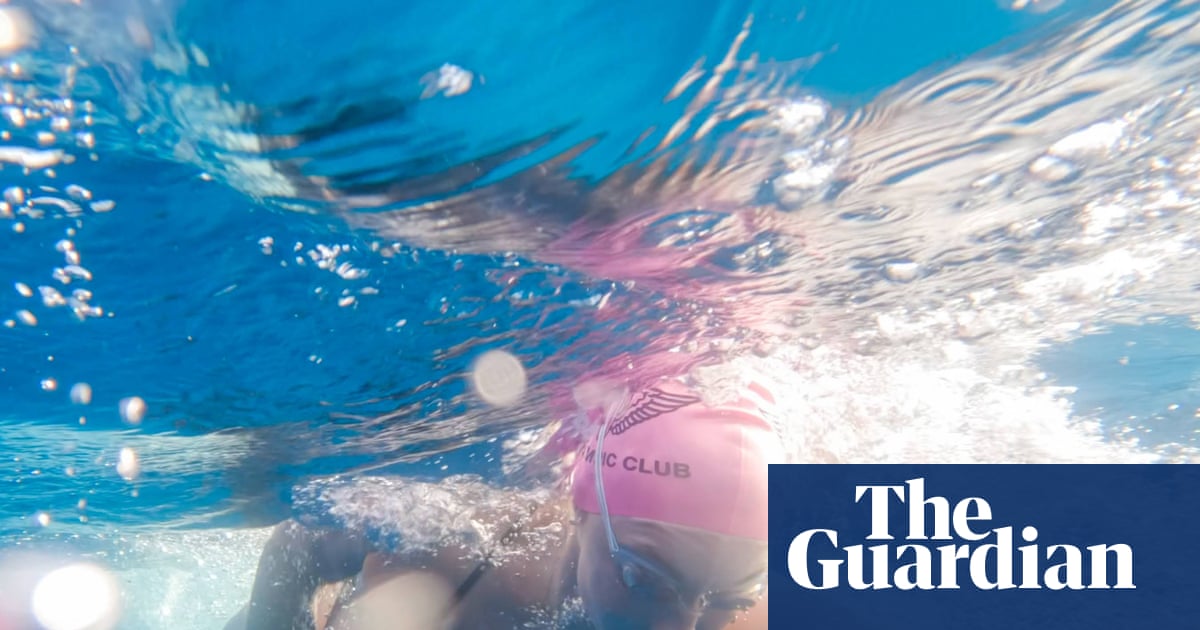
An ultra-endurance athlete has concluded an unprecedented open-water swim traversing the entire length of the California coast. Catherine Breed finished her 900-mile journey on Monday afternoon at Coronado Beach in San Diego, marking the end of a grueling 111-day expedition that began at the state’s northern border on July 1. The feat represents a significant milestone in endurance sports, distinguishing itself from traditional channel crossings through its sheer duration and the variable conditions of the Pacific Ocean.
Breed, a 33-year-old native of the Bay Area, approached the challenge with a methodical strategy that involved swimming approximately 10 miles each day. This pace allowed her to sustain the effort over several months while maintaining a support structure on a companion vessel. The swimmer slept aboard the ship and utilized stops along the route to engage with local ocean conservation organizations. Much of the expedition was broadcast live, allowing viewers to witness the daily progression of what she described as a continuous physical trial comparable to running a half-Ironman distance every day for nearly four months.
The timing of the swim coincided with severe meteorological events in the Pacific Ocean. Experts had predicted an unprecedented Super El Niño season, which brought multiple tropical storms and dangerous wave activity to the California coastline. Breed reported that these weather patterns presented the most significant physical obstacles of the journey. A massive surge of warm coastal water, known as a Kelvin wave, moved northward while she swam south, creating persistent currents that worked directly against her progress. She noted that the ocean conditions required constant adaptation and surrender to the elements.
Navigating through waves reaching heights of seven feet proved particularly taxing. Breed described the sensation of swimming in such turbulent conditions as akin to being inside a washing machine. These extreme weather events battered the coastline throughout her transit, forcing her team to manage safety risks associated with high surf and unpredictable currents. The physical toll of battling these natural forces was compounded by the need to maintain a steady daily mileage target despite the hostile environment.
Beyond the physical demands of the ocean, Breed encountered significant environmental hazards. As she approached the southern end of her route near Imperial Beach at the U.S.-Mexico border, she navigated waters she characterized as some of the most polluted in the United States. She described the experience of swimming through these areas as resembling movement through sewage, highlighting a stark contrast between the perceived danger of marine life and the actual threat posed by human-made contamination.
Breed has stated that her motivation for undertaking this swim extended beyond personal athletic achievement. She aimed to draw attention to environmental preservation efforts and encourage greater participation in ocean activities among women and girls. By documenting the journey, she sought to shift public focus from fears of sharks to the more pressing issue of ecological damage. Her commentary emphasized that human activity poses a greater risk to marine ecosystems than the animals inhabiting them.
The swimmer’s background includes several notable open-water achievements prior to this coastal expedition. She previously crossed the English Channel in 2018 and completed the North Channel crossing between Northern Ireland and Scotland in 2019, a route widely regarded as one of the most difficult endurance swims globally. More recently, she set records for swimming Lake Tahoe and traversing the waters from the Golden Gate Bridge to Half Moon Bay. Her experience with long-distance swimming began at the University of California, Berkeley, and continued with San Francisco’s Dolphin Club.
The completion of this journey adds a new benchmark to the record books maintained by the World Open Water Swimming Association. Breed’s team officially documented the endeavor, ensuring that the distance and conditions were verified for historical context. The swim serves as both a testament to individual endurance and a platform for discussing the health of coastal waters. As the expedition concludes, attention turns to the broader implications of her findings regarding pollution and climate impacts on marine environments.
Breed’s reflections on the experience underscore a philosophy of humility in the face of natural forces. She emphasized that entering the ocean requires abandoning expectations and embracing the immediate reality of the water. This mindset allowed her to persist through days of challenging currents and poor visibility. The journey concluded not just as an athletic victory, but as a documented account of the current state of California’s coastline.
Looking ahead, Breed plans to continue advocating for ocean conservation using the platform established by this swim. The data collected during the expedition may inform future discussions about water quality and climate change effects on coastal regions. Her achievement highlights the intersection of extreme sport and environmental activism, offering a unique perspective on the challenges facing marine ecosystems in an era of increasing weather volatility.
Sources behind this briefing
Go to the original reporting
- The Guardian World↗Ultra-endurance athlete completes 900-mile swim along entire California coast