The short version
- Kaylub Giamanco, a carpenter and parent at the school, killed the 16-year-old shooter after entering the campus during the attack.
- Records show Giamanco participated in military-style shooting drills with Iraq veterans in 2018, though police have not linked this to his actions.
- The incident resulted in four deaths and multiple injuries, prompting a complex response from law enforcement and the community.
New information has emerged regarding Kaylub Giamanco, the father who fatally shot the teenager responsible for a deadly attack at an elementary school in Bend, Oregon. While the immediate aftermath focused on the tragedy of four lives lost and several others injured, attention is now turning to the background of the man who intervened. Reports indicate that Giamanco, a 36-year-old carpenter, had previously engaged in shooting activities with veterans who served in Iraq.
The connection stems from a social media post made by Giamanco in September 2018. In the post, he described participating in 'military shooting drills' alongside a group of men who had fought together in combat zones. This revelation has sparked discussion about his preparedness and mindset during the crisis. However, it remains unclear whether these past activities constituted formal training or informal recreational shooting.
Law enforcement officials in Bend have been careful to distance the 2018 activities from the recent violence. Neither the police department nor Giamanco’s family has established a causal link between his past participation in drills and his decision to intervene during the school shooting. The authorities emphasize that the incident was a spontaneous response to an active threat rather than the result of premeditated planning or specialized tactical preparation.
The attack itself unfolded with terrifying speed on the morning of the incident. The shooter, identified as 16-year-old Griffin J John II, began by firing a shotgun at a driver who attempted to confront him outside the school. He then breached locked doors to enter the elementary campus. Inside, chaos ensued as students and staff scrambled for safety. A teacher managed to throw a cellphone at the assailant and tackle him, attempting to disarm him before Giamanco arrived on the scene.
Giamanco was returning from his lunch break when he heard gunfire emanating from the school grounds. He parked his vehicle near the building and retrieved a legally registered .40-caliber pistol from his car. According to police reports, he rushed into the facility where the confrontation was taking place. Shortly after his arrival, Giamanco fired multiple shots at close range, striking John and ending the attack.
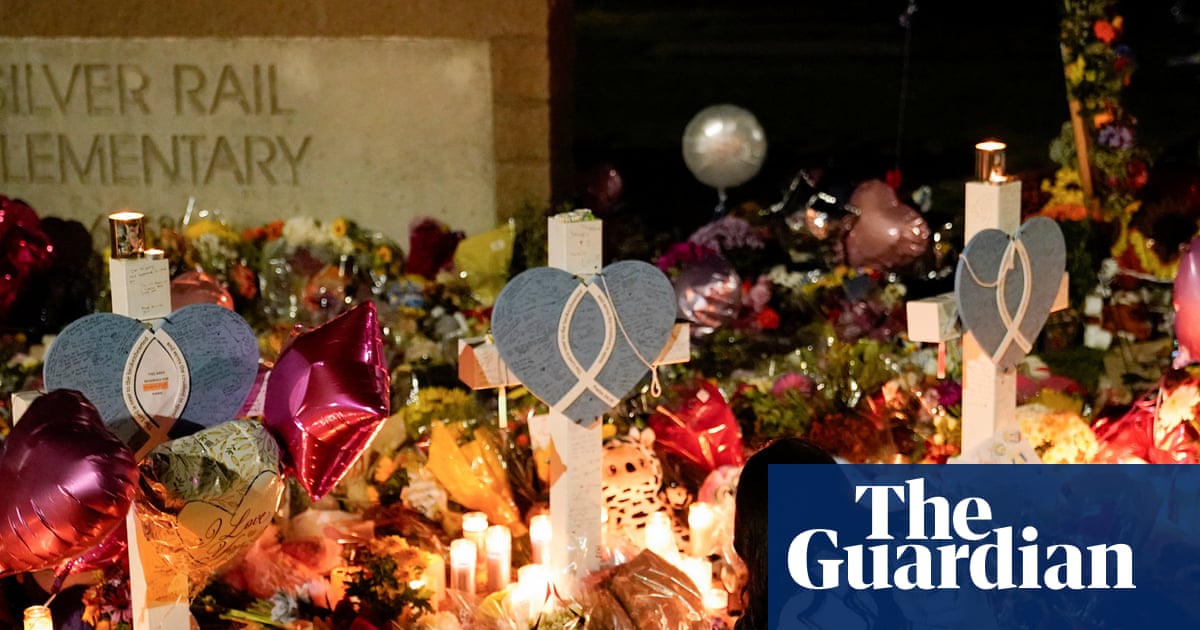
The human toll of the event remains severe. Three children and one teacher were killed in the crossfire. Additionally, a seven-year-old student is currently hospitalized receiving life-saving care for serious injuries. Another educator, 54-year-old Becky Drury, sustained significant but non-life-threatening wounds. The community continues to grapple with the loss of young lives and the trauma inflicted on survivors.
In the hours following the shooting, Giamanco contacted his mother, Kenda Freeman, who resides in Sacramento, California. He recounted the events to her, stating that he had shot and killed someone at point-blank range. Freeman expressed a mixture of relief and sorrow in interviews with local media outlets. She noted her gratitude that her own daughters were safe while acknowledging the profound grief experienced by families who lost children.
The narrative surrounding Giamanco’s role has been complicated by his family’s reluctance to embrace heroic labels. His brother, Kyle Giamanco, told reporters that he was uncomfortable with descriptions of Kaylub as a hero. This sentiment reflects the broader difficulty in framing such events within traditional narratives of good versus evil. The incident raises difficult questions about civilian intervention in school shootings and the legal and moral implications of using lethal force.
As investigations continue, officials are reviewing the sequence of events to determine if any procedural failures contributed to the outcome. The presence of a firearm in Giamanco’s vehicle was legal, but the circumstances under which it was used remain under scrutiny. Community leaders are calling for dialogue on school safety measures and mental health resources for adolescents.
The case highlights the unpredictable nature of mass violence and the split-second decisions made by ordinary citizens. While some view Giamanco’s actions as necessary to stop further bloodshed, others question the long-term psychological impact on all parties involved. The Bend community remains in mourning, seeking answers and healing in the wake of a tragedy that has left an indelible mark on the region.
Sources behind this briefing
Go to the original reporting
- The Guardian World↗Oregon man who killed school shooter reportedly took part in military drills with Iraq veterans