The short version
- Ukrainian leadership claims a lack of advance intelligence from partners regarding recent Russian ballistic missile strikes on Kyiv.
- Tensions with the United States have escalated following public criticism from President Trump and disputes over an alleged energy ceasefire.
- Russian attacks continue to target civilian infrastructure, causing casualties in Kharkiv and other regions despite diplomatic efforts.
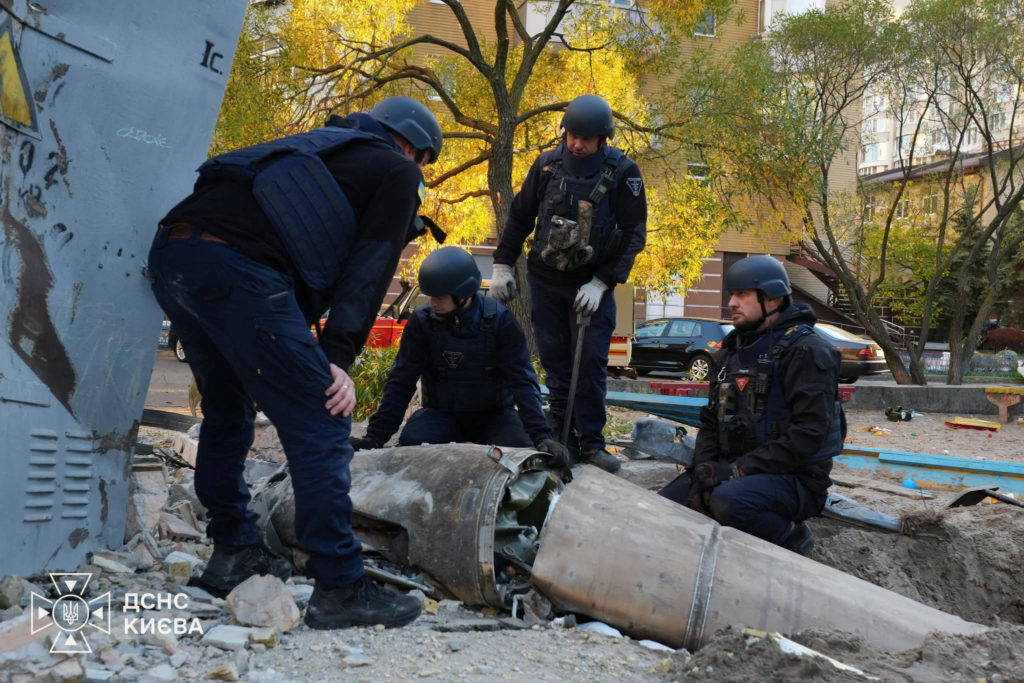
President Volodymyr Zelenskyy stated on Tuesday that Ukraine received no early warning from international partners regarding five Russian ballistic missiles that struck civilian infrastructure in Kyiv. The Ukrainian leader described the barrage as particularly vile, emphasizing that timely intelligence sharing is critical for saving lives and preventing casualties during such attacks. He noted that early warnings allow authorities to alert the public and deploy air defenses effectively against incoming threats.
The assertion of an intelligence gap comes amid rising diplomatic friction between Kyiv and Washington. U.S. President Donald Trump has recently criticized Zelenskyy, suggesting it may be time for a new leader in Ukraine and arguing that current efforts have been insufficient to end the war. These remarks represent a significant deterioration in relations since a contentious meeting in February 2025. Despite this, Trump told reporters at the White House that the United States has not ceased sharing intelligence with Ukraine, maintaining that such cooperation remains part of the strategy to conclude the conflict.
Ukrainian officials have offered varying perspectives on the nature of the intelligence failure. A senior Ukrainian official, speaking on condition of anonymity, characterized the lack of warning as a failure likely due to circumstantial factors such as weather conditions rather than a deliberate decision by partners. However, Foreign Minister Andrii Sybiha insisted that intelligence cooperation with the United States continued uninterrupted. Zelenskyy did not specify which partners failed to provide warnings, leaving the exact source of the breakdown unclear.
The strikes on Kyiv are part of a broader intensification of Russian aerial attacks across Ukraine. Zelenskyy reported that Russia had deployed more than 100 weapons since Monday evening. These assaults include speedy ballistic missiles and high-flying jet-powered drones, which have proven difficult to intercept due to shortages of Patriot missile-defense systems. The scarcity of these defensive assets is attributed in part to the diversion of U.S.-led military resources to a separate conflict in Iran.
Casualties from the recent wave of attacks have been significant. In Kharkiv, a residential building was destroyed, resulting in four deaths despite an all-night rescue operation. Zelenskyy stated that 41 people were wounded in the city in one evening alone. Other incidents included a drone strike on a private home in Kyiv’s Darnytskyi district and an attack on a residential building in Murovane, near Lviv. One person was also reported killed in the Fastiv district.
The conflict has entered its fourth and a half year with no major shifts on the ground, but Russia has increasingly targeted energy facilities to deprive civilians of power, heat, and water. This strategy aims to erode public support for Ukraine’s resistance. Trump has blamed Ukrainian strikes on Russian oil refineries for record-high U.S. diesel prices, rather than citing the war in Iran as the primary cause. He announced a deal with Russian President Vladimir Putin to import diesel from Russia in an effort to lower fuel prices ahead of upcoming midterm elections.
Trump claimed that Russia and Ukraine had agreed to an energy ceasefire, refraining from striking each other’s energy infrastructure. However, neither side has fully confirmed the existence or terms of such a deal. Kremlin spokesman Dmitry Peskov stated only that contacts on the matter continue. Zelenskyy criticized Moscow for continuing attacks on Ukrainian energy facilities since Trump’s announcement, arguing these actions demonstrate Russia’s lack of intention to honor any truce.
Zelenskyy asserted that Ukraine had not struck Russian oil refineries or other energy sites in the two days following Trump’s announcement of the purported deal. While independent verification of this claim is lacking, neither Russian officials nor media have reported Ukrainian attacks on oil refineries since the news broke. The situation remains fluid, with European foreign ministers lining up to offer support for Kyiv despite growing political pressure from the United States and ongoing military aggression from Russia.
The broader regional impact of the conflict continues to draw attention. A drone attack near the Bulgarian coast recently sank a merchant vessel and damaged another, leaving 11 people missing. This incident occurred just a week after a similar event, prompting the Bulgarian government to summon Russia’s top diplomat in the country. As diplomatic tensions mount and military strikes persist, the path toward de-escalation remains uncertain, with key allies navigating complex geopolitical pressures.
Sources behind this briefing
Go to the original reporting
- PBS NewsHour↗Ukraine had no intelligence from partners about missiles headed to Kyiv, Zelenskyy says
- The Guardian World↗Zelenskyy says Russia ‘did not heed’ Trump’s call for ceasefire and Ukraine had ‘no early warning’ before strikes on Kyiv – as it happened