The short version
- Former Republican voters in Michigan, Iowa, and Kansas report losing jobs due to increased costs from imported parts, attributing these layoffs directly to the administration's tariff policies.
- While White House officials argue that current construction activity signals a future manufacturing boom, data shows the sector has fewer employees now than when the president returned to office in early 2025.
- Incumbent Republicans in competitive districts face pressure from constituents and Democratic opponents who criticize their support for unilateral trade measures that have disrupted local supply chains.
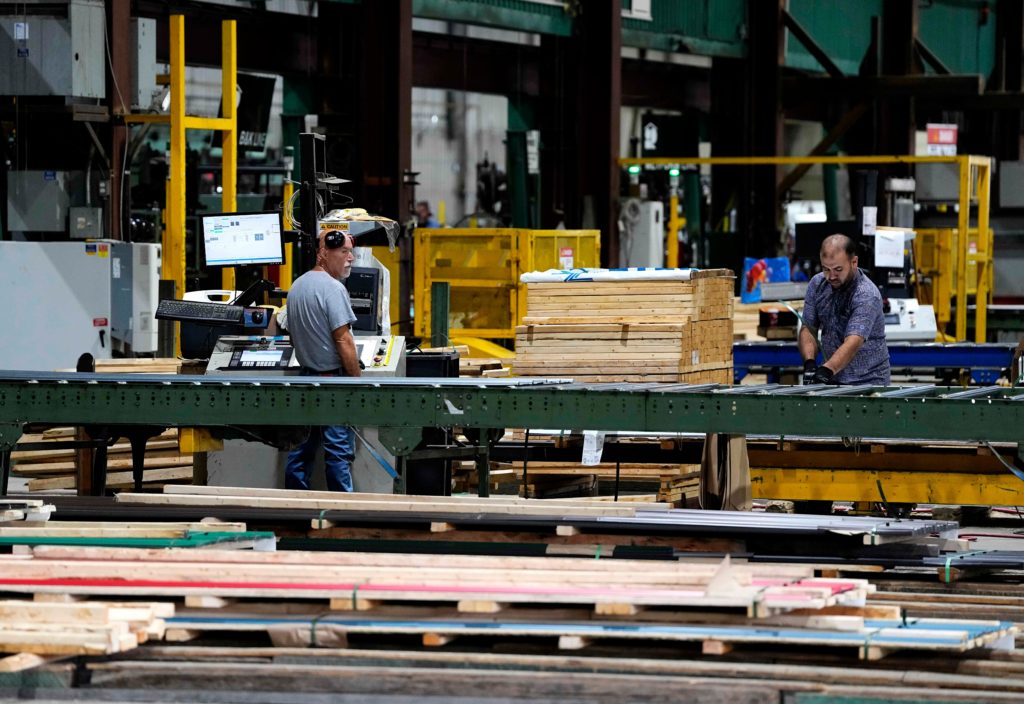
The Republican Party is encountering significant resistance from traditional factory-worker constituencies as the November midterm elections draw near. Voters who previously supported Donald Trump are expressing disillusionment with his economic agenda, specifically citing the impact of broad tariffs on imports. These trade measures were intended to stimulate a resurgence in American manufacturing, but many workers argue they have instead accelerated job losses and increased operational costs for domestic producers.
In Zeeland, Michigan, Nelson Vandermeer, a longtime Republican voter, recently lost his position as a product designer at Howard Miller, a clockmaker with a century-long history. The company closed its factory and laid off nearly two hundred employees after struggling with the cost of overseas parts. Although the business had already diversified into furniture to adapt to changing consumer tastes for timepieces, Vandermeer attributes his unemployment directly to the new trade barriers. He plans to vote for Democrats in the upcoming election, viewing the tariffs as a betrayal of working-class interests.
Similar narratives are emerging in Iowa and Kansas, states with tight congressional and senatorial races. Tracy Chew, who voted for Trump in 2016 but switched to Democratic candidates in subsequent elections, lost her job at a backhoe manufacturer in Burlington. Her family members also faced layoffs shortly after the plant closure announcement. Chew expressed anger that the administration’s trade policies did not protect her community, arguing that the tariffs failed to target the right companies or address the specific needs of local manufacturers.
Corporate leaders in these regions echo the concerns of displaced workers. Michael Happe, chief executive of Winnebago Industries, described the daily struggle to manage tens of millions of dollars in increased costs for aluminum, steel, and electronics. Similarly, Cole Hoppock, head of Vornado Air in Wichita, Kansas, reported that tariffs impacted virtually every aspect of his business, leading to the layoff of more than seventy factory workers earlier this year. These executives highlight the immediate financial strain imposed by higher import prices on companies that rely on global supply chains.
Despite these reports, White House officials maintain that a manufacturing renaissance is underway. Spokeswoman Taylor Rogers pointed to increases in manufacturing output and activity in nonresidential construction trades as evidence of progress. She argued that current factory construction projects will eventually translate into more manufacturing jobs once the facilities become operational. However, employment data indicates that the manufacturing sector currently has fewer workers than it did when Trump resumed his presidency in January 2025, casting doubt on the administration’s claims of an immediate boom.
The political fallout is intensifying pressure on Republican incumbents in competitive districts. In Michigan’s 4th Congressional District, Representative Bill Huizenga faces a challenge from state Senator Sean McCann. Huizenga had previously supported the tariffs, describing them as difficult but necessary for boosting domestic production. His campaign now acknowledges the need to address the broader economic effects of these policies while still seeing a role for tariffs in trade strategy.
In Iowa, Representative Ashley Hinson is running for an open Senate seat against Democrat Josh Turek. In Kansas, Senator Roger Marshall faces a bid from Adam Hamilton, a prominent pastor. Both states have seen significant economic disruption linked to trade policy. Bombardier, a Canadian jet manufacturer with operations in Kansas, faces potential sales bans in the U.S. unless it shifts production entirely to American soil, a move that could force further cutbacks if not managed carefully.
The combination of an unpopular conflict with Iran, persistent inflation, and now visible job losses in manufacturing has created a challenging environment for Republicans. Voters like Vandermeer and Chew feel let down by promises of economic revitalization. As the election approaches, the disconnect between White House rhetoric about industrial growth and the lived experiences of workers in swing states may prove decisive. The administration’s trade strategy, once a cornerstone of its platform, is now a liability in districts where factory closures have become personal tragedies for families who once supported the party.
Looking ahead, the outcome of these midterms could signal a shift in how Republicans approach trade policy. If incumbents lose due to tariff-related backlash, future legislative efforts may face greater scrutiny regarding their impact on domestic employment and supply chain stability. The current tension highlights the difficulty of balancing protectionist goals with the economic realities of globalized manufacturing. Until then, voters in key districts are weighing the long-term benefits of trade policy against the immediate costs borne by their communities.
Sources behind this briefing
Go to the original reporting
- PBS NewsHour↗Republicans face midterm backlash from factory workers over Trump's tariffs