The short version
- UForce has reached a £4.5 billion valuation after raising over £500 million, with significant capital coming from the UK national wealth fund.
- The investment supports the expansion of British supply chains for drone components while addressing growing security concerns regarding Russian naval activity.
- Leadership changes and board appointments signal a deepening integration between Ukrainian military innovation and Western defense infrastructure.
A London-based manufacturer of military drones, established by Ukrainian founders, has achieved a valuation of £4.5 billion following a substantial capital raise exceeding £500 million. The funding round includes a £113 million investment from the United Kingdom’s national wealth fund, positioning the company as one of the nation’s most rapidly expanding startups with a market value surpassing $1 billion. This financial milestone underscores a broader shift in defense procurement, where agile technology firms are gaining prominence alongside traditional defense contractors.
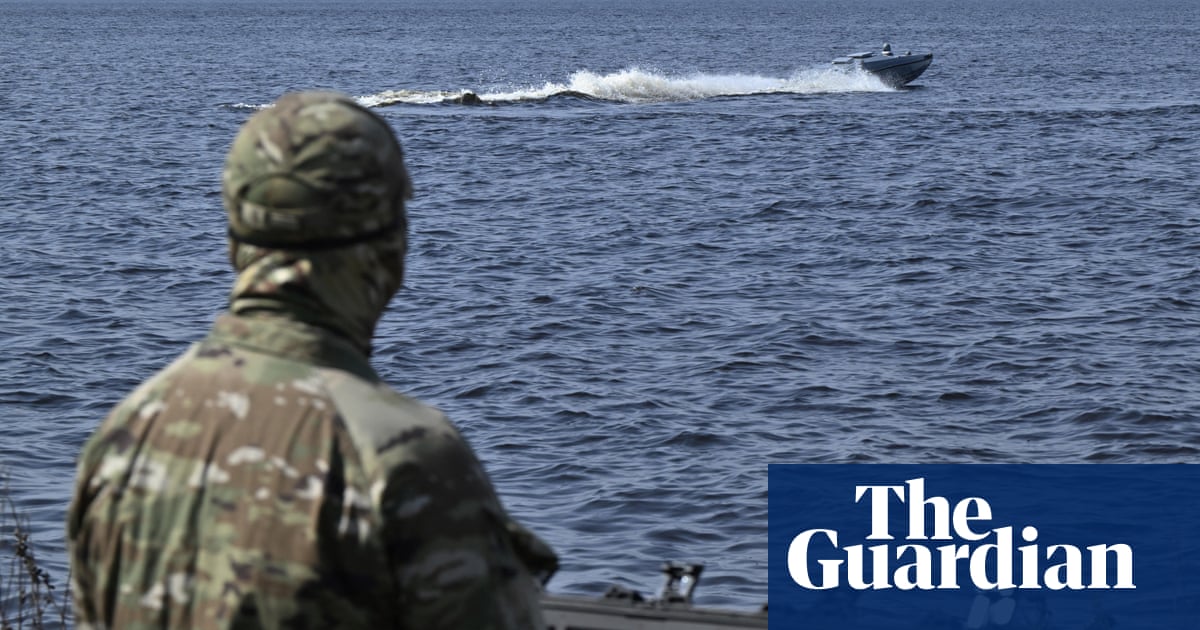
The company, known as UForce, specializes in unmanned systems for land, air, and sea operations. Its equipment has seen extensive deployment in the ongoing conflict between Ukraine and Russia. The UK Ministry of Defence has highlighted the firm’s maritime capabilities as particularly critical, citing rising threats from Russian naval vessels and associated shadow fleets operating in the North Atlantic and North Sea. These entities have been accused of engaging in sabotage and espionage activities targeting underwater cables and pipelines.
In response to these security challenges, British officials are planning to deploy a fleet of sea-borne drones in northern waters. The primary objective is to monitor and track Russia’s nuclear submarine fleet more effectively. During a recent defense conference in Oslo, Norway, UK Defence Secretary Wes Streeting met with UForce founder Oleg Rogynskyy aboard the aircraft carrier HMS Prince of Wales. In a demonstration of the technology’s remote operational capacity, Streeting piloted a UForce MV7 uncrewed vessel located more than 1,500 miles away in the Atlantic Ocean near Portugal.
The investment agreement includes commitments to strengthen the domestic industrial base. The Ministry of Defence stated that UForce will invest in British supply chains, sourcing hulls, engines, electronics, and fit-out materials from UK suppliers. Officials noted that more than 70 percent of the content for each boat built in the United Kingdom will originate from British sources. This approach aims to create high-skilled jobs and spur innovation while enhancing national war-fighting readiness.
Oleg Rogynskyy, who grew up in the industrial city of Dnipro in eastern Ukraine, previously founded People.ai, a Silicon Valley technology unicorn focused on sales and operations performance data. He stated that UForce aims to make aggression unaffordable by scaling production for both Ukraine and its allies. Rogynskyy emphasized that the war has demonstrated the need for systems that can continuously improve as threats evolve, requiring collaboration between governments and the technology ecosystem to develop cost-effective, interoperable, and autonomous platforms.
Private equity firm Valor Equity Partners served as another lead investor in the round. The firm was founded by Antonio Gracias, a former director of Tesla who also sits on the board of SpaceX. Christopher Cavoli, a retired US general who previously served as Nato’s supreme allied commander for Europe, is a partner at Valor and will join UForce’s board. This leadership structure brings significant military and technological expertise to the company’s strategic direction.
Defence Secretary Streeting remarked that Ukraine is rewriting the rules of warfare, noting that the UK has transitioned from training Ukrainian forces to learning from them. He argued that the ability to innovate quickly is a key measure of modern military power. By integrating battle-tested expertise into the UK defense sector, officials believe they can enhance deterrence capabilities against adversaries.
The board of UForce also includes Ben Wallace, the former Conservative UK defence secretary. His involvement, alongside other high-profile figures, reflects the growing political and strategic importance of unmanned systems in contemporary defense planning. As the company scales production, it faces the challenge of maintaining rapid innovation while meeting the rigorous standards required for government contracts and international deployment.
The broader implications of this investment extend beyond immediate military applications. The success of UForce highlights a trend toward public-private partnerships in defense technology, where government funds de-risk early-stage innovations that can later be scaled commercially. This model may influence future defense spending priorities, encouraging greater flexibility and responsiveness in procurement processes.
Looking ahead, the company’s ability to deliver on its production promises will be closely watched by investors and policymakers alike. The integration of Ukrainian military experience with British industrial capacity represents a novel approach to national security. As geopolitical tensions persist, the effectiveness of these unmanned systems in deterring aggression and protecting critical infrastructure will likely determine the long-term viability of this strategic partnership.
Sources behind this briefing
Go to the original reporting
- The Guardian World↗UK drone maker founded by Ukrainians hits £4.5bn value after raising £500m