The short version
- The UK government is exploring rapid administrative changes to prevent non-disclosure agreements from silencing victims of harassment or discrimination who are not classified as employees.
- Culture Secretary Lisa Nandy will convene a roundtable with industry leaders from television, film, publishing, and sports to discuss these expanded protections.
- Separate legislative efforts aim to automatically classify sexual acts with minors under sixteen as rape, removing the possibility of consent-based defenses in such cases.
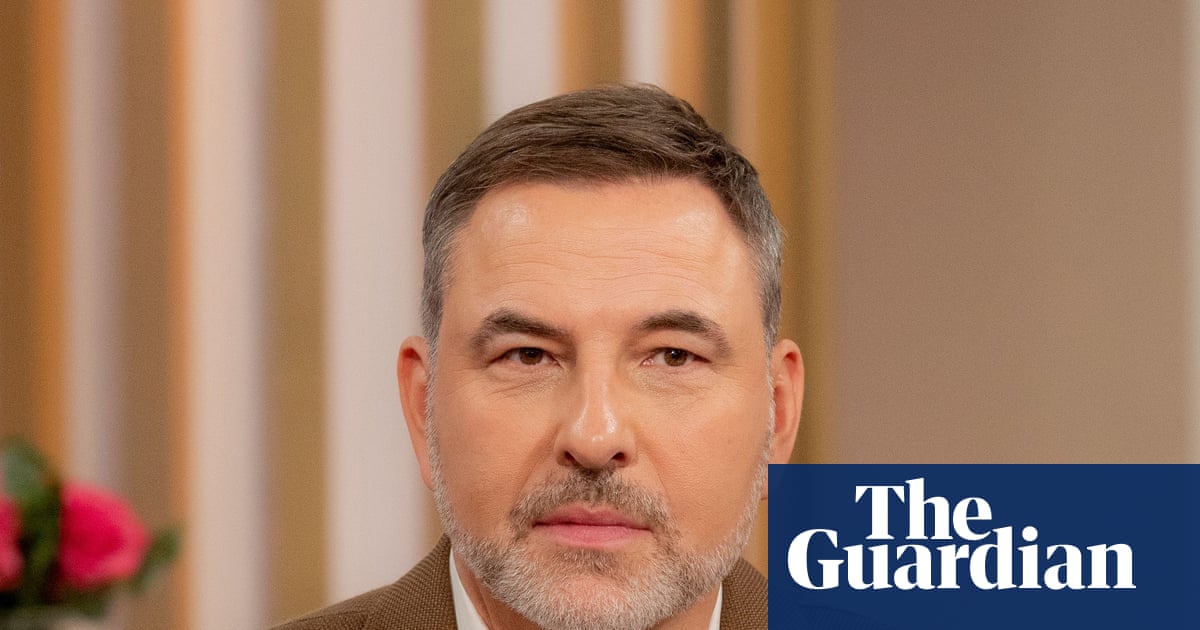
British ministers are moving swiftly to identify legal mechanisms that restrict the use of non-disclosure agreements for covering up harassment or discrimination. This accelerated review follows a joint investigation by The Guardian and ITV News regarding allegations against television personality David Walliams, which suggested that silence clauses were utilized by an employer to suppress accounts from at least one woman connected to him. While Walliams denies any wrongdoing, the reports have intensified political pressure to close existing loopholes in employment law.
Current legislation under the Employment Rights Act prohibits the use of non-disclosure agreements to prevent employees from disclosing potential harassment or discrimination. However, these protections do not automatically extend to individuals working as freelancers, contractors, or volunteers. Government officials indicate that expanding these safeguards to cover non-employee workers is a primary focus of the current review. The aim is to ensure that those in precarious or flexible employment arrangements receive similar legal shielding against enforced silence.
Lisa Nandy, the culture secretary, has scheduled a meeting for next week with representatives from the television and film industries, as well as sectors including publishing and sports. These fields rely heavily on freelance and contract labor, making them particularly vulnerable to the gaps in current law. During parliamentary questions, Nandy acknowledged that non-disclosure agreements are central to the problem of enforced silence and confirmed she is coordinating closely with the Ministry of Justice on this matter.
Government sources suggest that officials are looking for changes that can be implemented quickly without requiring new primary legislation. One official noted that while it is still early in the process, extending protections beyond traditional employees is a definite area of interest. The strategy involves identifying administrative or regulatory adjustments that can plug immediate loopholes, rather than waiting for the slower legislative process to conclude.
Another potential modification under consideration involves expanding the scope of who victims and witnesses can speak to regarding crimes. Existing laws already prevent non-disclosure agreements from stopping individuals from providing information to specified bodies such as the police or regulators. Proposals may extend this right, allowing people to discuss criminal matters with anyone, including members of the media, thereby reducing the ability of powerful figures to control narratives through contractual silence.
Advocacy groups had been pushing for stronger safeguards against non-disclosure agreements prior to the recent allegations involving Walliams and the conviction of Russell Brand. Zelda Perkins, a former assistant to Harvey Weinstein who broke her own silence clause to discuss his behavior, expressed hope that the Department for Business, Innovation, Science and Trade would be galvanized by these events. She emphasized that extending harassment protections beyond employees is critical and urged continued pressure on the government.
In parallel with the review of non-disclosure agreements, separate but related legal reforms are being considered regarding sexual offenses involving minors. A recommendation from Louise Casey’s review into grooming gangs suggests changing the law so that any adult engaging in penetrative sex with a child under sixteen is automatically charged with rape. This change would eliminate the defense of consent, which has previously allowed some offenders to face less serious charges.
Lady Casey has urged ministers to act swiftly to protect children and young people from high-profile men by closing these legal loopholes. While officials state that this legislative change was already on the agenda, the recent public scrutiny has increased pressure to move faster. However, the timeline for implementing these specific criminal law changes remains uncertain, with no definitive date set for when they might take effect.
The convergence of high-profile allegations and ongoing advocacy has created a window for rapid policy adjustment. By focusing on administrative fixes first, the government aims to address the most immediate vulnerabilities in how silence is enforced across industries that depend on non-traditional employment structures. The upcoming roundtable discussions will likely determine the practical scope of these new protections.
As the review progresses, stakeholders are watching closely to see whether the proposed changes will effectively dismantle the tools used to suppress complaints. The outcome could set a significant precedent for how the UK handles workplace misconduct and criminal allegations involving powerful individuals. For now, the emphasis remains on speed and breadth, ensuring that those outside standard employment contracts are not left without recourse.
Sources behind this briefing
Go to the original reporting
- The Guardian World↗UK ministers look at quick ways to limit NDAs after Walliams allegations