The short version
- Ukrainian officials reject Elon Musk’s assertion that the military breached Starlink terms by using the civilian network for offensive drone operations.
- Service was restored after a brief throttling event that disrupted air defenses and raised concerns about who authorized the interruption.
- The incident occurs alongside renewed diplomatic efforts to end the war, including agreed-upon negotiations and a localized ceasefire.
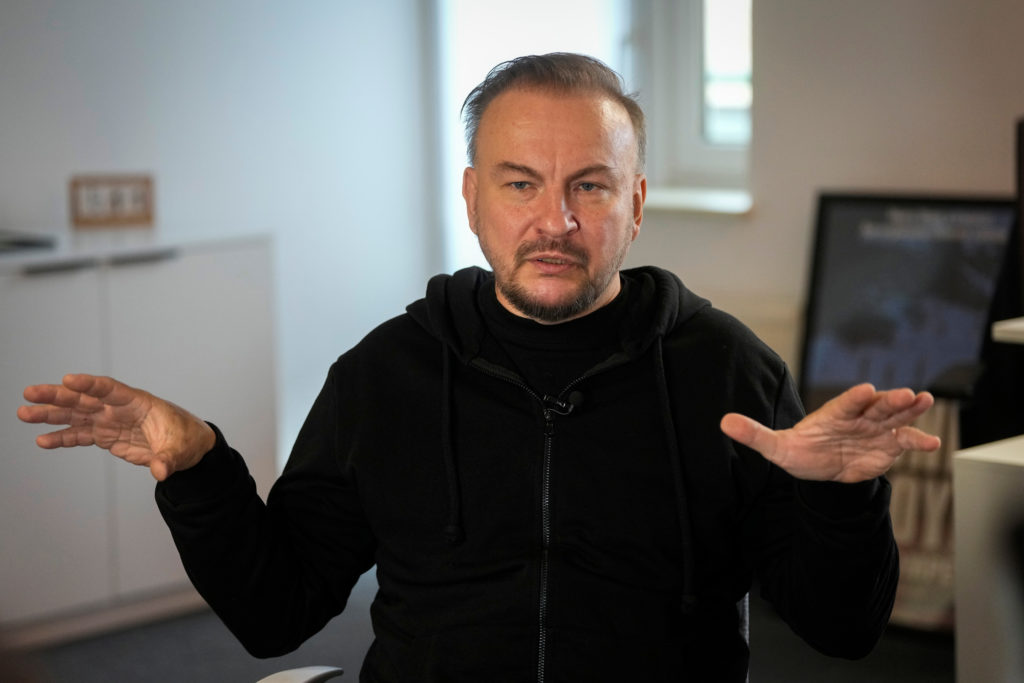
Ukrainian authorities have firmly rejected assertions by SpaceX chief executive Elon Musk that the nation’s armed forces breached the terms of service for Starlink by utilizing the civilian satellite internet platform for offensive drone missions. Serhii Beskrestnov, a defense technology adviser to President Volodymyr Zelenskyy, stated that existing limitations on the civilian system within Ukraine render such aggressive applications technically unfeasible. He expressed skepticism regarding Musk’s awareness of these operational constraints, noting that the claim appeared inconsistent with established protocols.
The controversy emerged after SpaceX temporarily restricted speeds for Starlink connections in Ukraine earlier this month. Ukrainian military commanders reported that drones linked to Starshield, the military-grade variant of the service, experienced connectivity losses at high velocities. This disruption compromised air defense capabilities during routine Russian aerial assaults. The speed limitations were lifted on Saturday, restoring full functionality to the network that has become indispensable for Ukraine’s wartime communications and coordination.
Musk acknowledged that SpaceX had intentionally throttled the service in Ukraine. He argued that employing a commercial civilian product for lethal drone strikes violates company policy and should not be permitted. According to his statement, the Ukrainian military exploited a loophole by using the system for offensive purposes, which he claimed was closed during the previous week. However, he maintained that any alterations to Starshield operations were directed by the United States government rather than SpaceX itself.
The attribution of responsibility for the service interruption remains unclear and has generated tension between Kyiv and Washington. While Musk pointed to U.S. control over Starshield changes, President Donald Trump denied making the decision to restrict the service. Vice President JD Vance suggested there may have been coordination between the White House and Musk regarding the matter. This ambiguity has exacerbated existing strains in the bilateral relationship, particularly following reports of a U.S.-Russia agreement involving diesel imports that Ukraine perceived as a betrayal.
The temporary loss of satellite connectivity alarmed Ukrainian military leadership, who reported significant operational setbacks including lost drones and aborted missions. The incident underscored the vulnerability of Ukraine’s reliance on private sector technology for critical defense infrastructure. Commanders emphasized that the disruption occurred during intense periods of Russian aggression, highlighting the strategic importance of uninterrupted communications for maintaining air superiority and protecting civilian populations.
Despite the technical dispute, diplomatic progress has been made in parallel tracks. Russia agreed to resume three-way negotiations with Washington and Kyiv next month, marking a new phase in U.S.-led efforts to conclude the conflict. Additionally, Kyiv and Moscow reached an agreement on a localized ceasefire around Oleshky, a war-damaged town in the Kherson region occupied by Russian forces. This arrangement was brokered by First Lady Melania Trump and represents a tangible step toward de-escalation in specific areas of active combat.
Meanwhile, the intensity of Russian attacks has not diminished. President Zelenskyy reported that Russia launched approximately 2,300 drones against Ukrainian cities over the past week alone. These strikes included roughly 1,600 guided bombs and 48 missiles of various types, including ballistic variants. The bombardment affected nine regions, causing damage to power plants, grain storage facilities, residential buildings, and commercial infrastructure. Many of these attacks resulted in civilian casualties.
In response to the escalating aerial threats, Zelenskyy renewed his appeals to Western allies for accelerated delivery of interceptor systems. He emphasized the urgent need for enhanced air defense capabilities to counter the volume and sophistication of Russian weaponry. The restoration of Starlink service provides immediate relief for military operations, but the underlying questions about governance, accountability, and the role of private technology in state warfare remain unresolved.
The situation illustrates the complex intersection of commercial technology, national security, and international diplomacy. As Ukraine continues to depend on Starlink and Starshield for its defense infrastructure, any future disruptions could have significant strategic consequences. The differing accounts from Musk, Ukrainian officials, and U.S. leaders highlight the challenges of managing critical infrastructure in a conflict zone where political and technical interests frequently diverge.
Looking ahead, the resumption of negotiations and the localized ceasefire offer potential pathways toward broader stability. However, the persistence of heavy Russian attacks suggests that the front lines remain volatile. The resolution of the Starlink dispute may require clearer definitions of acceptable use for commercial satellite services in wartime contexts, as well as transparent communication between all parties involved to prevent future misunderstandings.
Sources behind this briefing
Go to the original reporting
- PBS NewsHour↗Ukraine disputes Elon Musk's claim that its military violated Starlink's terms of service