The short version
- Israeli forces have intensified operations in the West Bank city of Hebron, displacing over 2,600 Palestinians following a deadly attack on soldiers.
- The military has sealed city entrances and restricted worker permits, citing security needs while an upcoming national election looms.
- Critics and residents view the timing as politically motivated, aiming to bolster Prime Minister Netanyahu's image on security issues before voting begins.
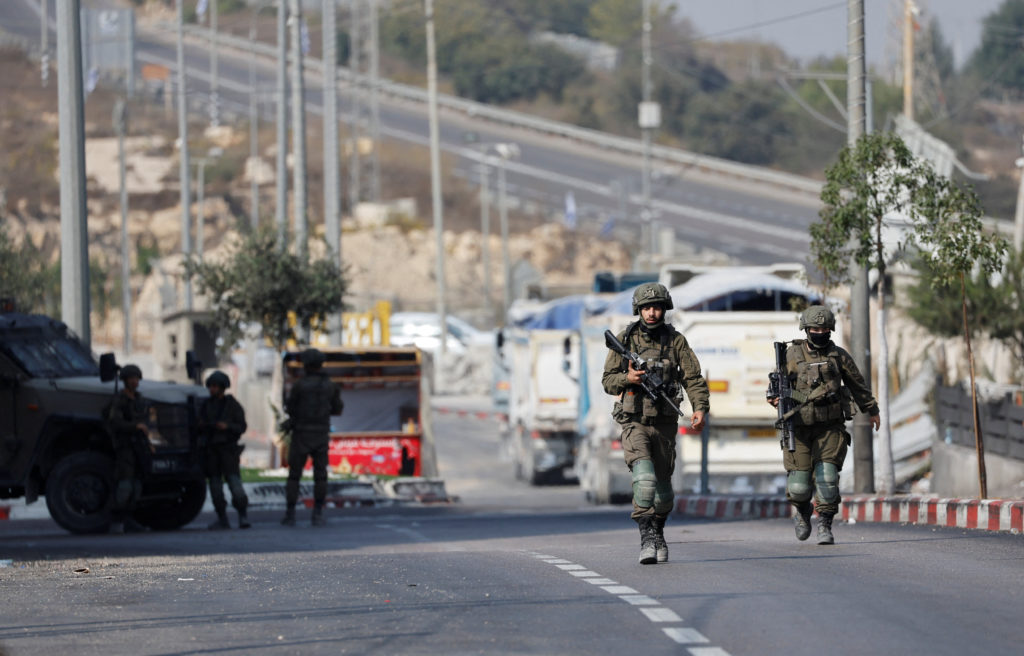
Israeli military forces have escalated their presence in the occupied West Bank, launching a widespread operation centered on the city of Hebron. This surge in activity comes in the immediate aftermath of a violent incident last week that resulted in the deaths of two Israeli soldiers and injuries to three others. The army has described the response as a necessary measure to locate suspects and prevent further attacks, while local officials report significant disruption to daily life for Palestinian residents.
The operation has involved searches across more than 400 distinct locations over the weekend. Security forces have arrested forty individuals they allege are connected to Hamas or Islamic Jihad, although no militant organization has publicly claimed responsibility for the initial shooting. The military stated that weapons were discovered in the vehicle used by the attackers, suggesting a broader intent to target Israeli civilians before the confrontation occurred at a checkpoint.
Hebron municipal authorities indicate that the security crackdown has forced more than 2,600 people from their homes. Nearly five hundred apartments in the Deir Bahha neighborhood and surrounding areas have been vacated as troops conduct sweeps. Residents describe a scene of sudden displacement, with families navigating military checkpoints on foot to reach safety or essential services.
Movement restrictions have tightened significantly across the region. The Israeli army announced that most Palestinian workers holding permits will be barred from entering West Bank settlements for several days. Additionally, crossings into Israel remain closed until after the national elections scheduled for Tuesday. These measures effectively isolate Hebron, with all entrances and exits sealed off to general traffic.
Local leaders emphasize the severe impact of these closures on the community. Hebron Mayor Yousef Zuhair Al-Jabari noted that the blockade has halted business operations and even forced the closure of a mosque. Residents report an inability to enter or leave the city, creating a state of confinement that affects every aspect of civilian life in the area.
The timing of this intensified military campaign coincides with the final days before Israel’s general election. Many observers view the vote as a referendum on Prime Minister Benjamin Netanyahu’s leadership and his handling of security matters during three years of conflict. The government faces pressure to demonstrate strength against Palestinian militants, particularly among voters concerned about safety.
Netanyahu visited the site of the recent attack and pledged a forceful response, aligning with a broader political strategy to highlight security achievements. Hundreds attended the funeral of one of the fallen soldiers, Sgt. Yuval Shai Svilem, reflecting the emotional weight of the incident. The government’s actions appear designed to reassure constituents ahead of a tense electoral contest.
Residents express uncertainty about the duration of the military presence. While some officials initially suggested a twelve-day closure, locals remain skeptical, suspecting political motives behind the extended restrictions. One displaced resident noted that the true reasons for the prolonged operation may be tied to election dynamics rather than purely security necessities.
The broader context includes a significant rise in violence within the West Bank this year. Six Israelis have been killed in attacks in the region, while Palestinian health authorities report 112 Palestinian deaths, including those involved in the recent incident. Hebron remains one of the most volatile areas, characterized by close proximity between Israeli settlers and Palestinian populations under military oversight.
The international community continues to regard Israeli settlements in the West Bank as illegal under international law. With approximately three million Palestinians and 540,000 settlers living in the territory, tensions remain high. The current operation underscores the complex interplay between security operations, political strategy, and civilian displacement in the lead-up to a pivotal election.
Sources behind this briefing
Go to the original reporting
- PBS NewsHour↗Israel presses ahead with West Bank operation as election approaches