The short version
- The United Kingdom has warned it will expel Israeli diplomats in proportion to any British staff forced out of Israel after the closure of the UK consulate in East Jerusalem.
- Israel’s move is a direct response to London’s ban on trade with goods from settlements deemed illegal under international law, escalating tensions between the two nations.
- While France and Canada have joined the trade restrictions without facing similar retaliation, the Netherlands faces revoked diplomatic credentials for its mission to Palestine.
Diplomatic relations between the United Kingdom and Israel have reached a critical juncture following London’s threat to expel Israeli diplomats in response to Tel Aviv’s decision to close the British consulate in East Jerusalem. The UK Foreign Office indicated that it would remove one Israeli diplomat for every British counterpart forced to leave Israel, a measure that could result in the departure of up to 27 Israeli officials from the UK. This potential mass expulsion represents a significant escalation, arguably marking the lowest point in diplomatic ties between the two nations since the establishment of the State of Israel.
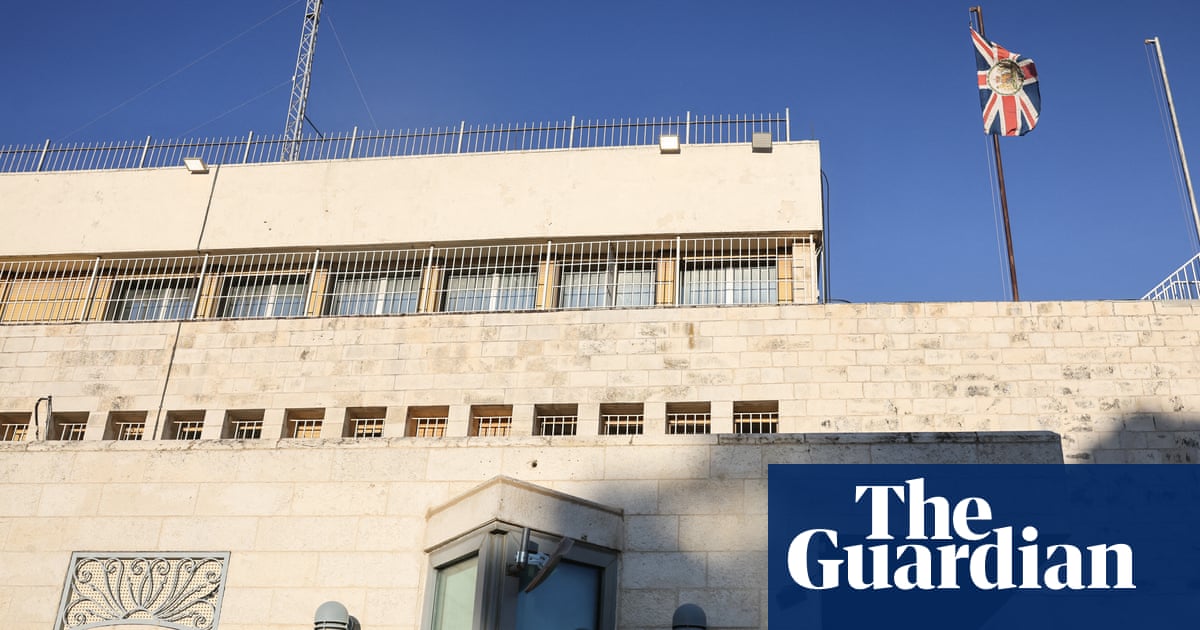
The crisis stems from conflicting policies regarding Israeli settlements in the occupied West Bank. The UK government recently implemented a ban on trade with goods originating from these settlements, which it considers illegal under international law. Additionally, London imposed sanctions on British firms that support or facilitate further construction in these areas. In retaliation, Israel announced it would shut down the UK consulate located in the Sheikh Jarrah neighborhood of East Jerusalem. This facility operates separately from the main embassy in Tel Aviv and holds a distinct diplomatic mandate covering East Jerusalem, the West Bank, and Gaza.
Legal experts have weighed in on the legitimacy of Israel’s actions. Dominic Grieve, the former UK attorney general, advised the Foreign Office that closing the consulate based on its location in East Jerusalem may be unlawful. This assessment aligns with the position held by the United Nations and most member states, including the UK, which recognize East Jerusalem as occupied Palestinian territory rather than sovereign Israeli land. The dispute underscores the deep legal and political divisions surrounding the status of the region.
Efforts to de-escalate the situation have thus far failed. Jonathan Powell, the UK national security adviser, traveled to Jerusalem last week in an attempt to persuade Israeli officials to rescind or delay the closure. However, these talks did not yield a resolution. Reports suggest that Powell had previously opposed the foreign secretary’s decision to enforce the settlement trade ban, fearing it might inadvertently benefit Prime Minister Benjamin Netanyahu in the upcoming national election by allowing him to portray himself as the sole guarantor of Israeli security against hostile foreign powers.
Israeli officials have been vocal in their condemnation of British policy. Foreign Minister Gideon Sa’ar described the UK’s sanctions as morally distorted and accused the ruling Labour Party of harboring hostility toward Israel. An Israeli diplomatic source stated that any step taken against Israel would be met with an appropriate response, refusing to comment on specific speculation regarding future expulsions. The Israeli government maintains that its actions are justified responses to what it views as unfair treatment by Western allies.
The incident highlights growing frustration among Israel’s traditional partners regarding the expansion of settlements in the West Bank. Foreign Secretary Ed Miliband has faced domestic support for his hardline stance, receiving a warm reception at the Labour Party conference where he emphasized the need to confront illegal settlement activities. He has accused settlers, supported by the Netanyahu government, of committing ethnic cleansing in the West Bank, a claim that Israel firmly disputes. The deterioration in relations has been gradual, intensifying since the onset of the war in Gaza following the Hamas attacks on October 7, 2023.
The broader context involves increasing criticism from the UK regarding Israel’s conduct in Gaza. Both Conservative and Labour governments have expressed skepticism about Netanyahu’s strategy to render Hamas inoperative through military means, citing the high Palestinian death toll. Consequently, the UK has revoked numerous arms export licenses to Israel. Miliband has cited evidence of war crimes in Gaza but has stopped short of accusing Israel of genocide, stating that such determinations should be left to international courts.
Other European nations have also taken steps against settlement goods, with varying results. France and Canada joined the UK in banning imports from illegal settlements but have not faced retaliatory diplomatic actions. In contrast, Israel has moved to revoke the credentials of Dutch diplomats serving at the Netherlands’ mission to Palestine. Because Israeli military occupation controls access to these areas, this decision effectively bars Dutch diplomats from operating in East Jerusalem. The divergent responses suggest that while several countries are aligning on trade restrictions, the diplomatic fallout remains uneven and unpredictable.
As the situation develops, the potential for further tit-for-tat measures looms large. The expulsion of diplomats would mirror the severe breakdown seen in British-Russian relations, signaling a profound shift in how the UK engages with its Middle Eastern ally. With the Israeli election approaching on October 27, the diplomatic standoff may become a more prominent issue in domestic political discourse, potentially influencing voter perceptions of national security and international standing. The coming days will reveal whether this crisis leads to a permanent rupture or if diplomatic channels can eventually restore some level of normalcy.
Sources behind this briefing
Go to the original reporting
- The Guardian World↗UK threatens to expel Israeli diplomats after closing of East Jerusalem consulate