The short version
- President Lula is running for re-election against Flávio Bolsonaro, son of former President Jair Bolsonaro who is currently imprisoned.
- Polls indicate a tight race with no clear leader, potentially leading to a runoff election on October 25.
- Minas Gerais is viewed as the critical bellwether state, having determined the winner in previous presidential elections.
Brazil’s 2026 general election has emerged as a pivotal political rematch, pitting incumbent President Luiz Inácio Lula da Silva against Flávio Bolsonaro. The first round of voting is underway, with results indicating a closely contested race. If no candidate secures more than 50% of the valid votes in this initial round, a second runoff election will be held three weeks later on October 25 between the top two contenders.
President Lula, 80, is a veteran of the Brazilian left who previously served two terms from 2003 to 2011. His earlier tenure was marked by significant economic growth driven by commodities and substantial poverty reduction efforts. Having been limited to two consecutive terms by constitutional rules, a victory in 2026 would be his final opportunity to hold the presidency, as he will not be eligible to stand again in 2030. Lula’s political journey includes a period of imprisonment on corruption charges in 2018, though his conviction was later quashed after 580 days behind bars.
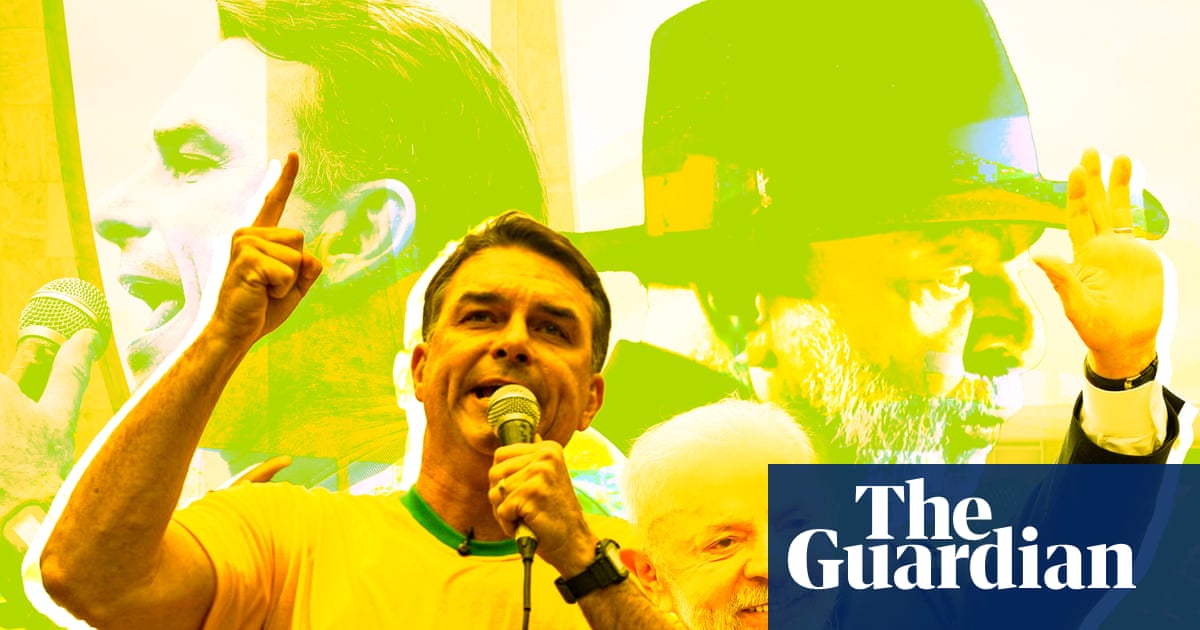
Lula’s principal opponent is Flávio Bolsonaro, a 45-year-old lawyer and former senator from Rio de Janeiro. He is the son of Jair Bolsonaro, the former president who lost the 2022 election and is currently serving a 27-year sentence for masterminding a failed coup attempt. Despite his imprisonment, Jair Bolsonaro has endorsed his son’s campaign and hopes to regain his freedom if Flávio wins. The dynamic adds a layer of continuity and controversy to the far-right candidate’s platform.
Opinion polls suggest that no other candidates are likely to challenge the frontrunners significantly. However, there is no clear leader in the polling for the potential runoff. The race remains tight, with both campaigns focusing on key demographics and regions. The new president will take power on January 5, 2027, marking a significant transition point for Brazil’s political landscape.
One of the most critical areas to watch is Minas Gerais, a mountainous mining and agricultural region larger than France with 21 million inhabitants. Historically, Minas Gerais has served as Brazil’s bellwether state. Since the return of democracy in the 1980s, no candidate has won the presidency without triumphing in this state. In 2018, Jair Bolsonaro defeated Lula’s candidate there by more than 1.7 million votes, securing his election.
Four years later, Lula reclaimed Minas Gerais by a narrow margin of fewer than 50,000 votes, which also contributed to his nationwide victory. History suggests that whoever wins Minas Gerais will likely win the presidency. This trend underscores the strategic importance of the state in shaping the final outcome of the election. Both campaigns are expected to intensify their efforts in this region.
The election takes place against a backdrop of significant political polarization and economic challenges. Lula’s administration has focused on social programs and environmental policies, while the Bolsonaro camp emphasizes law and order and economic liberalization. The personal history between the two families adds emotional weight to the contest, reflecting broader societal divisions in Brazil.
International observers are closely monitoring the process, noting the importance of democratic institutions in maintaining stability. The direct election system ensures that each voter’s ballot counts equally, without an electoral college. This structure places immense pressure on candidates to build broad coalitions across diverse regions and social groups.
As the first-round results come in, analysts are looking for early indicators of momentum. While national trends provide some guidance, local dynamics in key states like Minas Gerais will likely prove decisive. The upcoming weeks will be crucial in determining whether a runoff is necessary and which candidate can consolidate support among undecided voters.
What remains unresolved is the final vote count and the potential impact of late-breaking issues on voter sentiment. Both campaigns are working to maximize turnout and mobilize their bases. The outcome will not only determine Brazil’s leadership for the next four years but also signal the direction of its political future in a rapidly changing global environment.
Sources behind this briefing
Go to the original reporting
- The Guardian World↗Brazil presidential election 2026: first-round live results
- AS/COA↗Poll Tracker: Brazil’s 2026 Presidential Election
- cfr.org↗Brazil’s 2026 Election: What to Know and What’s at Stake
- NPR↗Brazil's big political rematch: What to know about the Brazilian election