The short version
- The UK government has clarified that its new resettlement route for Palestinian refugees applies only to individuals already located in Jordan or Lebanon, not those remaining in Gaza.
- Advocacy groups contend that the initial announcement created false hope among Gazans and their supporters by omitting this critical geographic restriction from public statements.
- Officials defend the policy as consistent with international refugee conventions, noting that direct evacuation from a conflict zone would require distinct diplomatic and security arrangements.
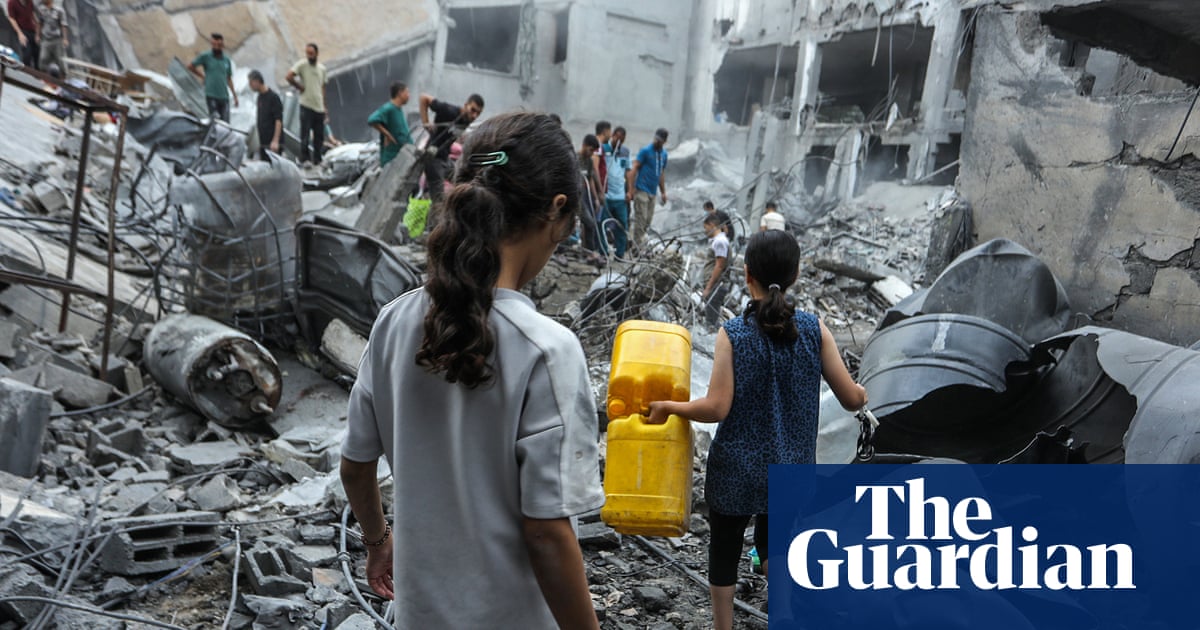
A dispute has emerged over the scope of the United Kingdom’s newly announced resettlement scheme for Palestinian refugees, centering on whether the program offers a viable escape route for people still trapped in Gaza. The Home Office stated that approximately one-quarter of referrals under the reopened initiative would be dedicated to Afghan women and girls as well as Palestinians fleeing war and persecution. However, subsequent clarifications from the organization administering the scheme indicate that eligibility is strictly limited to those who have already crossed into neighboring countries.
The body responsible for processing these applications, the International Refugee Assistance Project, confirmed it will refer only a very small number of extremely urgent cases. These referrals are being processed exclusively in Jordan and Lebanon. According to the non-profit’s website, humanitarian organizations in those two nations will identify candidates whose lives have become unsustainable in their current host countries. The project will then conduct interviews to determine if these specific cases warrant referral to the UK government for final consideration.
This narrow eligibility criteria has drawn sharp criticism from advocacy groups who argue that the initial announcement was misleading. Communities for Palestinians, an umbrella alliance of support organizations, stated that the crucial detail regarding geographic restrictions was absent from Home Secretary Shabana Mahmood’s speech at the Labour Party conference and in subsequent departmental statements. Vicky Moller, a co-founder of the group, noted that the enthusiastic response to the announcement was based on the understanding that it would facilitate the rescue of people directly from Gaza.
The Home Office has pushed back against these claims, asserting that the resettlement scheme has always been designed for individuals located outside their country of origin. A spokesperson emphasized that under international frameworks, refugee status generally requires applicants to be external to their home nation. Consequently, Palestinians who remain in Gaza are not initially within the scope of these specific routes. The department clarified that only those who have already fled Gaza could potentially be referred through the established channels.
Experts in asylum systems note that this approach aligns with standard practices for resettlement programs. Dr. Peter Walsh, a senior researcher at the University of Oxford’s Migration Observatory, explained that such schemes typically target people who have already left their home countries. He pointed to the previous Syrian resettlement scheme as a precedent, noting that the roughly 20,000 people relocated to the UK between 2014 and 2021 all came from neighboring states rather than directly from Syria.
Walsh highlighted that extracting people directly from Gaza would constitute a different type of operation, more akin to an emergency evacuation. Such a move would depend heavily on cooperation from Israel and Egypt to allow departures, as well as the Home Office’s ability to conduct necessary security and biometric checks in a conflict zone. The current scheme avoids these complexities by focusing on refugees who have already reached relative safety in Jordan or Lebanon.
The legal status of Palestinian refugees adds another layer of complexity to the issue. Unlike other refugee populations, Palestinians fall outside the remit of the standard UNHCR refugee convention. Instead, they are served by UNRWA, which defines refugees based on residence in Palestine during a specific period in 1946-1948 and loss of home or livelihood due to the 1948 conflict. This unique definition means Palestinian refugees can be recognized as such even while living in their original territory, including the West Bank and Gaza Strip.
Jon Featonby, chief policy analyst at the Refugee Council, argued that ministers should acknowledge these particular circumstances. He stated that while safe and legal routes are vital for preventing reliance on smuggling networks, the current approach lacks ambition. Featonby called for support for thousands of refugees rather than hundreds and urged the government to make resettlement options accessible to Palestinians regardless of their location.
The number of people who will ultimately be accepted under this program remains uncertain. The International Refugee Assistance Project stated that it does not know how many individuals the UK government will accept, as this decision depends on funding availability and the capacity of local authorities in Jordan and Lebanon. The scheme focuses on extremely vulnerable cases, but the final quota rests with the UK government, leaving the scale of the operation undefined.
As the debate continues, the disconnect between political announcements and operational reality remains a focal point for critics. While the Home Office maintains that its statements were technically accurate regarding international refugee standards, advocates argue that the omission of key details created unrealistic expectations for those in Gaza. The outcome of this policy will likely hinge on how many urgent cases are identified in neighboring countries and whether the government expands its definition of eligibility in the future.
Sources behind this briefing
Go to the original reporting
- The Guardian World↗UK accused of giving people of Gaza false hope over new refugee safe route