The short version
- Andy Burnham has committed to expanding mandatory suicide prevention training for social workers across England.
- The policy shift follows the death of Matilda Davis, who died by suicide minutes after a meeting with professionals who did not ask about her mental state.
- A coroner previously ordered specific training in Warwickshire, but advocates argue national mandates are necessary to prevent inconsistent local standards.
The British government has moved to standardize mental health safety protocols for social care workers after the Prime Minister publicly endorsed mandatory suicide prevention training. Andy Burnham confirmed his support during parliamentary proceedings, agreeing to extend these requirements to all local authorities in England. This decision marks a significant shift in how state-funded care professionals are expected to handle crises involving vulnerable individuals, particularly unpaid carers who often operate without adequate institutional backing.
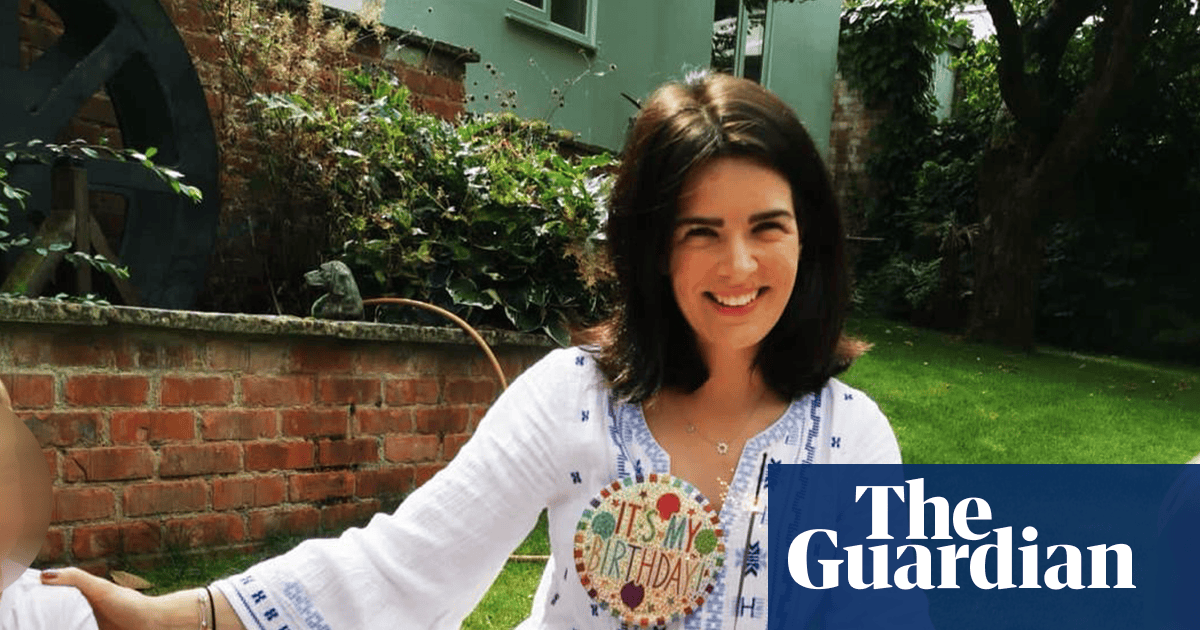
The policy change stems from the tragic case of Matilda Davis, a 36-year-old former art teacher and full-time caregiver for her disabled seven-year-old son. Davis died by suicide on October 3 of last year, just fifteen minutes after a meeting with social workers. Her local Member of Parliament, Manuela Perteghella, highlighted that Davis had expressed severe exhaustion and anxiety regarding her care responsibilities and an impending divorce. Despite these clear indicators of distress, the professionals involved did not receive specific training to identify or address suicidal ideation.
During the inquest held in March, social workers admitted they failed to ask Davis directly whether she was considering ending her life. They also did not refer her to crisis support organizations. Coroner Deborah Sewell issued a rare prevention of future deaths notice, ordering Warwickshire Council to implement mandatory training for approximately 600 staff members. This local mandate served as the immediate catalyst for the broader national discussion, highlighting a gap in standard operating procedures that left distressed individuals without critical intervention.
Perteghella cited research from the University of Birmingham indicating that 41% of parent-carers have contemplated suicide. She argued that the current system leaves families physically and emotionally drained while receiving minimal support. The Prime Minister acknowledged the systemic failure, noting that unpaid carers often sacrifice their own livelihoods to care for disabled relatives, saving the government billions in potential care costs. He praised the efforts of Liberal Democrat leader Ed Davey in bringing attention to the plight of these caregivers.
Joel Harley-Davis, Matilda’s brother, stated that the family feels reassured by the Prime Minister’s response. He emphasized that his sister was honest about her struggles and would have disclosed her suicidal thoughts if asked directly. The family believes that simple, direct questioning could have prevented the tragedy. They argue that leaving training decisions to individual councils creates a postcode lottery where safety standards vary depending on geographic location.
Mental health organizations such as Mind advise against avoiding the topic of suicide when interacting with distressed individuals. Best practices suggest asking direct questions like whether someone is having suicidal thoughts, rather than skirting around the issue. The failure to employ these techniques in Davis’s case underscores the need for standardized education. Advocates stress that such training does not require expensive resources but rather a commitment to established protocols that prioritize immediate safety assessments.
The government has agreed to arrange a meeting between ministers and Perteghella to discuss the implementation of these measures. This dialogue aims to address how mandatory training can be integrated into existing social work frameworks without creating undue administrative burdens. The focus remains on ensuring that all professionals interacting with high-risk individuals are equipped to recognize warning signs and respond appropriately.
This development reflects a growing recognition of the mental health crisis among unpaid caregivers in the UK. While the state relies heavily on family members to provide care, the emotional toll on these individuals often goes unaddressed. By mandating suicide prevention training, authorities aim to create a more responsive system that identifies distress early and connects vulnerable people with necessary support services.
Critics of the previous system point out that social workers are often overburdened and under-resourced, making it difficult for them to provide comprehensive care. The new mandate seeks to level the playing field by ensuring every worker has access to the same critical skills. As the government moves forward with these discussions, the hope is that similar tragedies will be prevented through proactive intervention rather than reactive measures.
For those struggling with mental health issues, support remains available through various channels. In the UK and Ireland, Samaritans can be reached at 116 123. In the United States, the National Suicide Prevention Lifeline is accessible via 988. International resources are also available through organizations like Befrienders, ensuring that help is within reach regardless of location.
Sources behind this briefing
Go to the original reporting
- The Guardian World↗Burnham backs mandatory suicide prevention training for social workers after parent-carer Matilda Davis’s death