The short version
- The UK Home Office refused a visa to Judith Clark, a former member of the Weather Underground, barring her from speaking at a Royal Shakespeare Company event and attending her daughter's book launch.
- Prominent figures including lawyer Helena Kennedy and actor Harriet Walter have urged officials to overturn the decision, citing Clark’s decades of rehabilitation and lack of current threat to national security.
- Clark served 37 years for her role in an armed robbery that resulted in deaths, but was released after sentence commutation and has since worked extensively in criminal justice reform and prison support programs.
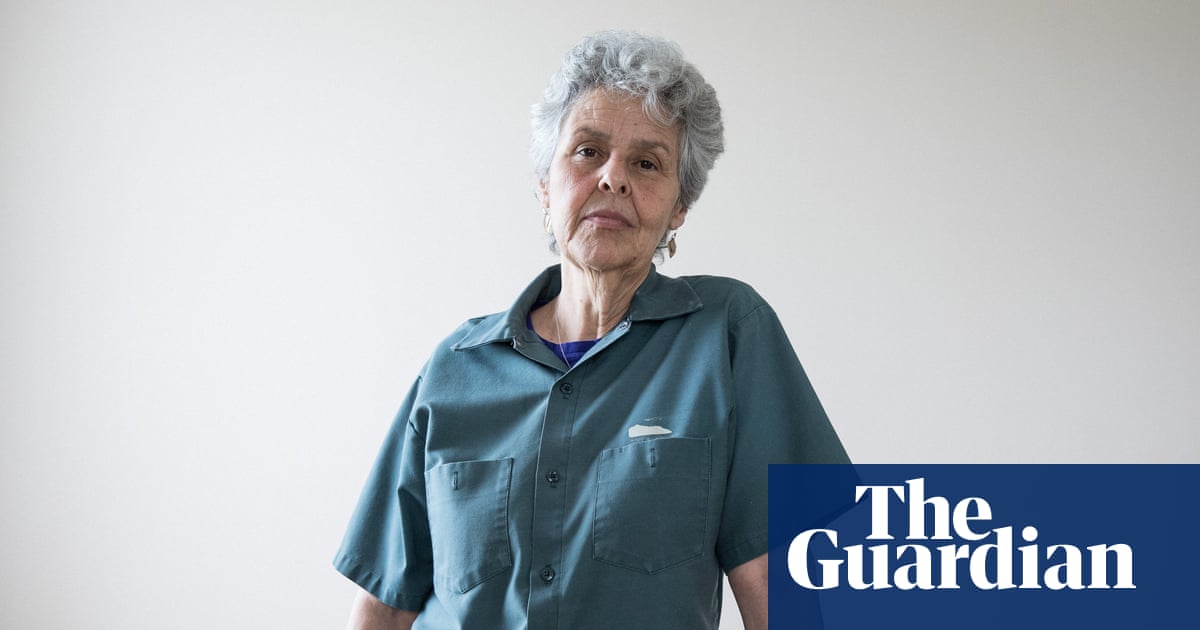
The British Home Office has denied a visa application from Judith Clark, a 77-year-old former member of the American radical group Weather Underground, preventing her from traveling to the United Kingdom for cultural and family events scheduled for November. The refusal blocks Clark’s participation in a post-show discussion at the Royal Shakespeare Company in Stratford-upon-Avon, where she was invited to speak on themes of restorative justice and rehabilitation. Additionally, the denial prevents her from attending the UK launch of her daughter Harriet Clark’s debut novel, The Hill, which draws upon the author’s experiences visiting her mother during incarceration.
The decision has sparked immediate criticism from a coalition of human rights advocates, legal professionals, and prominent figures in the British arts community. Helena Kennedy, a well-known barrister, argued that while immigration rules exist to manage risks associated with serious criminal convictions, ministerial discretion should be applied in this specific case. Kennedy emphasized that Clark served a lengthy sentence for political activism that did not involve personal violence on her part, noting that her clear remorse and extensive contributions within the prison system led to her early release. She asserted that Clark poses no threat to UK national security, having been deemed safe by US authorities upon her release.
Harriet Walter, an actor who portrayed characters inspired by Clark’s life in a recent Shakespeare trilogy, echoed these sentiments, suggesting that immigration regulations should allow for flexibility in exceptional circumstances. Walter described Clark’s intended visit as purely celebratory and educational, aimed at sharing insights on redemption rather than posing any risk to public safety. Phyllida Lloyd, the theatre director behind the productions, stated that Clark has become a central figure in understanding repentance and rehabilitation within their creative process. Lloyd characterized Clark’s transformation as profound, arguing that her presence in the UK would serve as an inspiration for discussions on restorative justice.
Clark’s history involves significant legal consequences stemming from her involvement in radical political movements during the late 1960s and early 1970s. She joined the anti-Vietnam War student movement before becoming part of the Weather Underground and later the May 19th Communist Organization, groups known for pursuing armed revolutionary activities. In 1983, Clark was convicted for serving as a getaway driver in an attempted robbery of a Brinks armored truck in New York in 1981. The incident resulted in the deaths of a security guard and two police officers. She received three consecutive sentences totaling up to life imprisonment, reflecting the severity with which the justice system viewed her role in the crime.
Despite the gravity of her conviction, Clark’s time behind bars was marked by substantial efforts toward rehabilitation and community service. During her incarceration at Bedford Hills correctional facility, she helped establish an AIDS education and support group, developed programs to help mothers maintain relationships with their children, and assisted in raising service dogs for veterans and first responders. She also contributed to building a college education program within the prison. These initiatives demonstrated a shift from radical activism to constructive engagement with the incarcerated population and those affected by crime.
Clark’s path to freedom began in 2017 when then-New York Governor Andrew Cuomo commuted her sentence, allowing her to seek parole. She was released in 2019 after serving 37 years. Since her release, she has continued her work in criminal justice reform, focusing on support for formerly incarcerated women. In 2025, she assumed the role of director at the Survivors Justice Project, an organization dedicated to securing legal relief for survivors of domestic violence who face prison sentences. Her professional trajectory underscores a long-term commitment to addressing systemic issues within the justice system.
The cultural impact of Clark’s story extends beyond her personal rehabilitation. Her experiences informed Walter’s portrayal of Brutus in Julius Caesar and Prospero in The Tempest, characters grappling with moral consequences and redemption. The Royal Shakespeare Company’s planned discussion, titled Can Art Save Lives?, aims to explore these themes further by including Clark alongside a company member who entered theatre through the charity Clean Break after serving time in prison. This format highlights the intersection of art, justice, and personal transformation.
In her own correspondence supporting the visa application, Clark expressed public disavowal of her past actions and apologized for the harm she contributed to, a stance she adopted a decade into her sentence. She described spending the remainder of her imprisonment converting remorse into tangible benefits for the prison community, families, and victims of crime. The Home Office’s refusal stands in contrast to these appeals, maintaining strict adherence to entry rules despite arguments that Clark’s current status as a non-violent advocate for justice reform warrants an exception.
The outcome of this case may set a precedent for how UK authorities handle visa applications from individuals with serious past convictions who have demonstrated extensive rehabilitation. While the Home Office has not provided detailed public justification for the refusal beyond standard regulatory language, the reaction from legal and cultural leaders suggests a tension between rigid immigration enforcement and the recognition of personal redemption. The situation remains unresolved as advocates continue to press for ministerial intervention.
Clark had planned to visit Britain with her wife, Cheryl Moch, from November 4 to 15. The denial disrupts not only professional engagements but also family milestones, including the celebration of her daughter’s literary debut. As the debate continues, the case highlights broader questions about the role of discretion in immigration policy and how societies evaluate risk versus rehabilitation in individuals with complex histories.
Sources behind this briefing
Go to the original reporting
- The Guardian World↗Shabana Mahmood urged to grant visa to former Weather Underground activist