The short version
- Sales of emergency supplies like torches and radios have surged following the launch of the Be Ready campaign.
- Specialist retailers report unprecedented demand, while major supermarkets see modest increases in tinned food purchases.
- Industry leaders emphasize that stock levels remain healthy despite social media images suggesting shortages.
The United Kingdom government’s recent initiative urging households to prepare for potential emergencies has resulted in a measurable shift in consumer behavior. The Be Ready campaign, introduced last week, advises citizens to maintain supplies sufficient for seventy-two hours to withstand disruptions caused by extreme weather events or cyber-attacks. This guidance has prompted a noticeable increase in purchases of non-perishable food items and emergency communication devices across various retail sectors.
Specialist technology retailers have observed the most dramatic changes in sales figures. Maplin, a prominent electronics store, reported that torch sales nearly quadrupled following the announcement. Sales of power banks and radios also doubled, with one specific brand of wind-up radio selling out completely within a single day. The managing director of Maplin noted that consumers quickly moved to acquire basic, affordable items designed to maintain connectivity and information access during power outages.
The surge in demand has strained inventory for certain niche products. Maplin indicated that sales volumes would likely have been higher had stock levels not been depleted by previous summer heatwaves and geopolitical tensions involving Iran. Home security camera sales also experienced a significant jump, rising by one hundred and thirty percent. This suggests that consumers are looking beyond immediate survival needs to broader home security measures in response to the government’s warnings.
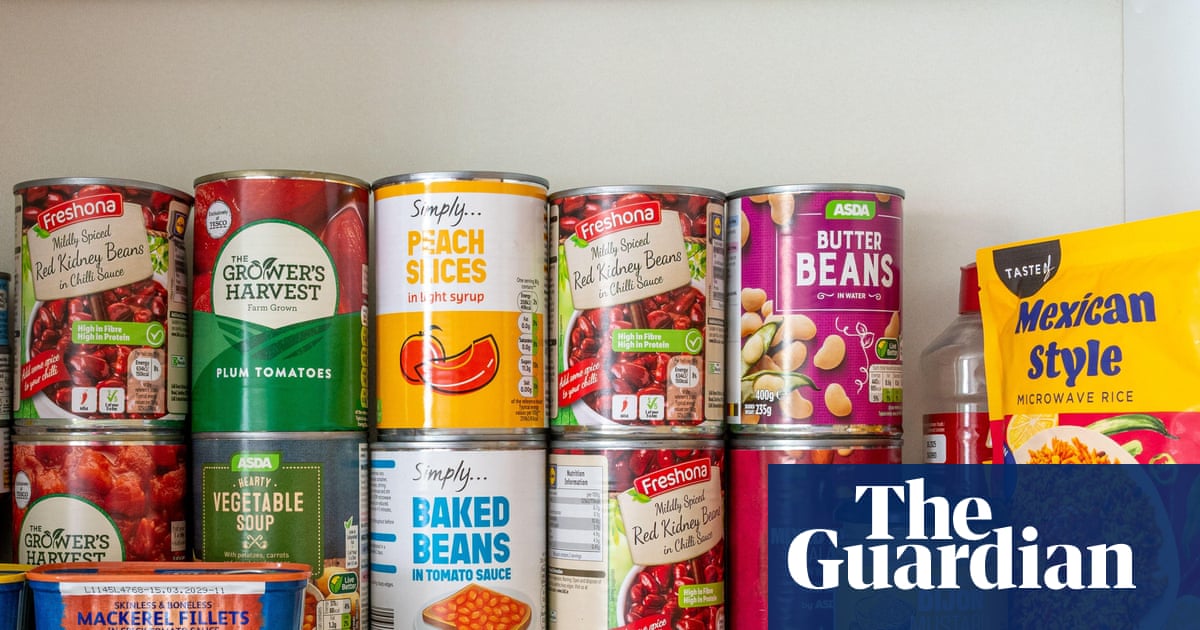
Grocery retailers have also recorded increased interest in long-lasting food items. Iceland, a major supermarket chain, saw a forty percent rise in tinned product sales over the weekend, alongside strong demand for bottled water. A company spokesperson confirmed that consumers are responding to the official message but assured the public that supplies remain robust. Online grocer Ocado reported similar trends, noting increased demand for specific items while working with suppliers to ensure gradual restocking capabilities.
However, not all retailers have experienced uniform spikes in sales. Several large supermarket chains stated they observed no material change in demand for tinned goods. These retailers suggested that recent cooler and stormy weather patterns were more likely influencing consumer choices toward soups and beans rather than emergency stockpiling. This divergence highlights varying levels of public engagement with the campaign across different demographic and geographic segments.
The impact has been particularly pronounced among specialist outdoor and survival gear vendors. EvaQ8, a seller of survival kits, reported selling approximately three hundred wind-up radios over the weekend, compared to its usual weekly average of fifteen. The company also sold out of water purification tablets and certain radio models. The founder noted that while interest is high, historical patterns suggest such demand spikes are often short-lived, similar to surges seen during the pandemic or the invasion of Ukraine.
Another online retailer, Sgt Prepper, described business activity as ten to fifteen times busier than normal. The store focused heavily on long-life food options, including tins with twenty-five-year shelf lives, and larger wind-up radios. The co-founder stated that he had never witnessed such intense demand, forcing him to seek alternative brands due to supplier shortages. This indicates a segment of the population is taking extensive precautions, potentially exceeding the government’s basic recommendations.
Despite isolated instances of sold-out items, industry insiders maintain that overall food availability remains strong. The British Retail Consortium emphasized that while some retailers saw small upticks in specific product categories, essential goods are well-stocked across the board. Social media posts depicting empty shelves have circulated widely, but experts caution against interpreting these images as evidence of systemic shortages. They argue that such photos often fail to show alternative brands or nearby stock, creating a misleading impression of scarcity.
The government’s campaign aims to foster resilience without inducing panic. By encouraging modest preparation for a three-day window, officials hope to mitigate the impact of potential disruptions. The mixed retail response suggests that while some consumers are actively preparing, others remain skeptical or unconcerned. As the situation develops, retailers will continue to monitor demand patterns and adjust inventory strategies accordingly.
Looking ahead, the sustainability of this purchasing trend remains uncertain. Historical data indicates that emergency preparedness interest often fades quickly unless sustained by ongoing events. Retailers are balancing the need to meet current demand with the risk of overstocking items that may see reduced interest in the coming months. The focus now shifts to whether this initial surge translates into long-term changes in household emergency planning habits.
Sources behind this briefing
Go to the original reporting
- The Guardian World↗Bottled water and tinned food sales surge after UK government issues emergency stockpile advice