The short version
- Ministers are evaluating whether to mandate participation in independent standards bodies if voluntary reforms fail to address harassment and abuse.
- The push for reform follows high-profile cases involving David Walliams and Russell Brand, raising concerns about the use of injunctions and non-disclosure agreements.
- Justice Secretary Alex Norris acknowledged widespread anxiety regarding how powerful individuals exploit legal mechanisms to suppress allegations of misconduct.
British government ministers are actively considering legislative changes that would compel the entertainment industry to implement stricter protections for women and children. This potential shift in regulatory approach follows a series of high-profile revelations concerning sexual abuse and harassment within the media sector. Culture Secretary Lisa Nandy is scheduled to meet with leaders from television, film, publishing, and potentially sports organizations next week. The objective of these discussions is to determine whether the industry can voluntarily strengthen its safeguarding measures or if statutory intervention becomes necessary.
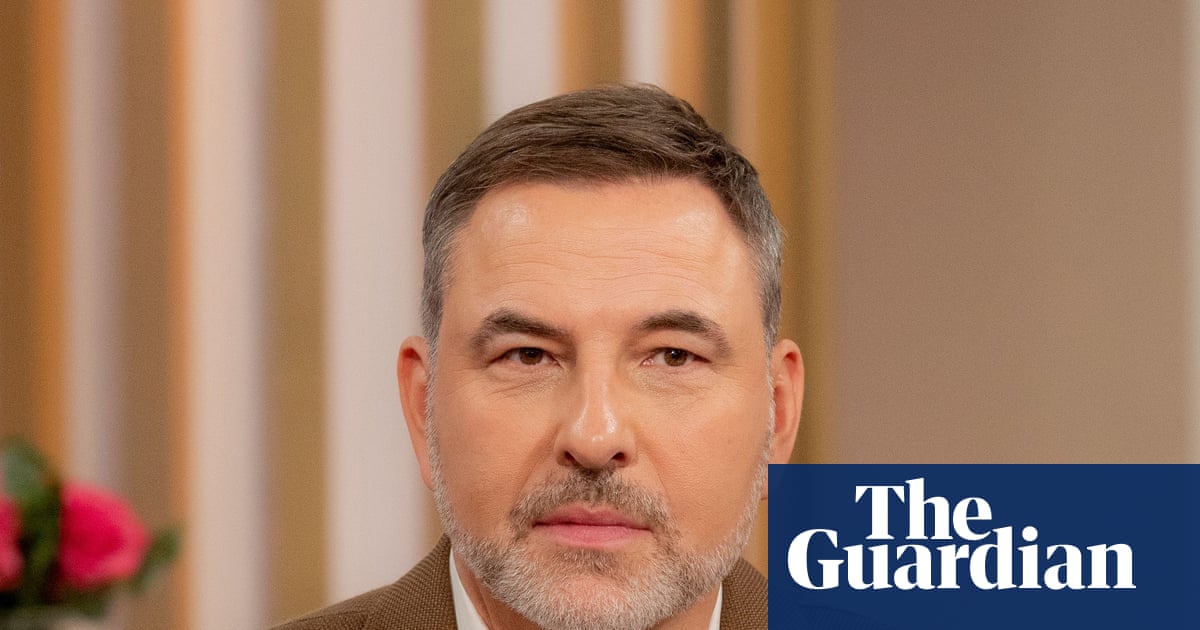
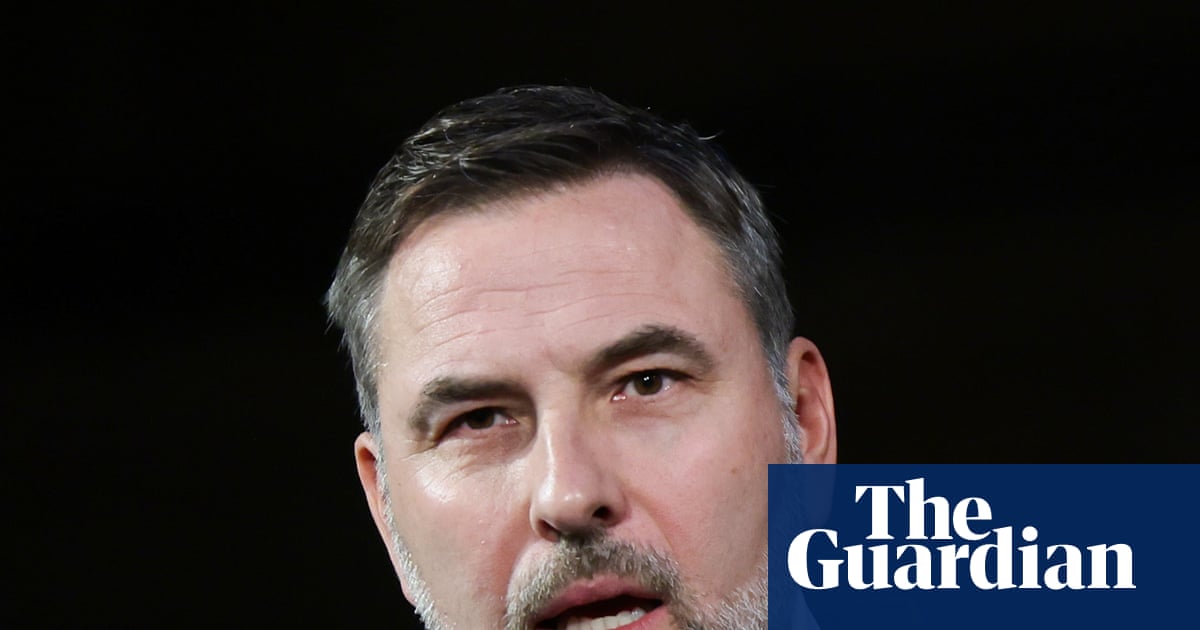
The impetus for this governmental scrutiny stems largely from recent allegations against David Walliams, a prominent television personality and children’s author. An investigation published by The Guardian and ITV News detailed accusations that Walliams used his status to exploit young women. Although Walliams denies any wrongdoing, the court rejected his attempt to block the publication of these claims. This legal development has intensified calls for systemic reform, particularly regarding how powerful figures utilize their influence to manage public perception and suppress dissent.
While the government’s initial preference is for the industry to self-regulate, officials have signaled a willingness to act if voluntary measures prove insufficient. One option under consideration involves making it mandatory for companies to adhere to the standards set by the Creative Industries Independent Standards Authority. This body currently operates on a voluntary basis, addressing bullying and harassment through confidential whistleblowing channels. A government source indicated that while there is an expectation for industry leaders to resolve these issues internally, ministers are prepared to intervene if progress stalls.
Justice Secretary Alex Norris has publicly acknowledged the deep concern surrounding the use of legal systems by powerful men to silence accusers. Speaking before the House of Lords justice and home affairs committee, Norris highlighted that injunctions and non-disclosure agreements have long been a source of parliamentary debate. He emphasized the need for a robust legal regime that maintains a fair balance, ensuring these tools are not used inappropriately to stifle legitimate complaints. His comments reflect a broader recognition that the current framework may inadvertently protect abusers rather than victims.
The political response has been swift and critical across party lines. Andy Burnham’s official spokesperson described the allegations against Walliams as deeply troubling, noting a pattern of behavior where men in power exploit vulnerable young women. The spokesperson urged every organization to rigorously assess whether they are doing enough to keep people safe and ensure that concerns are taken seriously when raised. This sentiment underscores a growing demand for accountability within institutions that have historically shielded high-profile individuals from scrutiny.
Parallel to the media sector reforms, broader legal changes are being discussed regarding sexual offenses involving minors. Louise Casey, who leads an inquiry into sexual abuse grooming gangs, pointed to the recent conviction of Russell Brand as evidence of how some men have abused their power. Brand was jailed for more than ten years for rape and sexual assault. Casey argued that the current legal thresholds for charging individuals who have sex with teenagers aged 13, 14, or 15 are inadequate. She suggested that automatic charges for such acts would demonstrate a stronger commitment to protecting children.
Critics argue that the Walliams case is not an isolated incident but rather an exception in how legal challenges are handled. Jess Phillips, a former Home Office minister responsible for combating violence against women and girls, noted that many individuals remain silenced by injunctions and non-disclosure agreements. She emphasized that this suppression of voices is not new news, suggesting that the recent media attention has merely brought existing systemic failures into sharper relief. The prevalence of these legal tools in high-profile cases highlights a significant gap in victim protection.
As Nandy prepares to engage with industry stakeholders, the specific requests and organizational representatives involved remain unclear. However, the pressure is mounting for tangible results. The government’s stance suggests that while dialogue is preferred, it will not preclude legislative action if the entertainment sector fails to demonstrate meaningful progress. The coming weeks will be critical in determining whether the industry can reform itself or if the state will impose stricter controls to prevent future abuses of power.
The broader implications extend beyond the immediate scandals involving Walliams and Brand. These cases have reignited a national conversation about consent, power dynamics, and the legal mechanisms available to both accusers and the accused. If legislation is passed, it could set a precedent for how other industries handle allegations of misconduct. The outcome of Nandy’s meetings will likely influence not only media regulation but also public trust in institutions tasked with safeguarding vulnerable individuals.
Ultimately, the government faces a delicate balancing act between encouraging industry autonomy and ensuring victim safety. The potential mandate to join independent standards bodies represents a significant step toward transparency and accountability. Whether this measure is adopted voluntarily or through legislation, the focus remains on dismantling the structures that allow powerful individuals to evade responsibility. The coming decisions will shape the future of workplace safety and legal recourse for those who have been silenced.
Sources behind this briefing
Go to the original reporting
- The Guardian World↗Ministers consider forcing TV industry to better protect women after David Walliams allegations