The short version
- Prime Minister Andy Burnham has appointed Madeleine Alessandri as the world’s first special representative for climate security to advise on national risks.
- The move follows a suppressed intelligence report warning of ecosystem collapse, food shortages, and conflict within five years.
- Critics argue the appointment lacks credibility given the government's continued support for new fossil fuel projects and weakened electric vehicle targets.
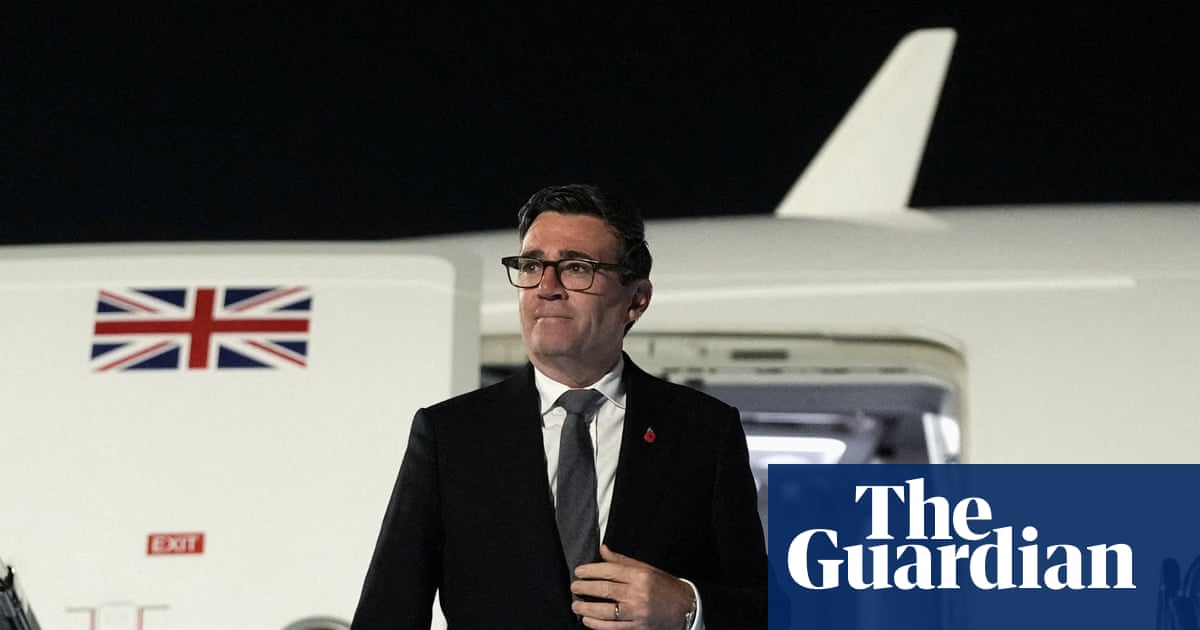
The United Kingdom has established a new governmental position dedicated to addressing the intersection of environmental change and national defense, marking a significant shift in how Western powers frame climate risks. Prime Minister Andy Burnham announced the creation of the role for special representative for climate security during high-level meetings at the Cop31 summit in Antalya, Turkey. This appointment represents the first instance of such a dedicated post globally, reflecting growing concerns that ecological instability poses direct threats to state stability and public safety.
Madeleine Alessandri, currently serving as chair of the joint intelligence committee, will assume the new responsibilities. Her background overseeing domestic and foreign intelligence agencies positions her to coordinate across government departments on issues ranging from infrastructure resilience to international migration patterns driven by environmental stress. The role is designed to provide strategic advice to Downing Street before climate-related disruptions escalate into full-scale crises, aiming to integrate security planning with environmental policy in a manner previously fragmented across different ministries.
The decision follows the revelation of a confidential assessment produced by the joint intelligence committee, which warned that the United Kingdom could face severe national security consequences within five years. The report, initially suppressed under former Prime Minister Keir Starmer but later disclosed to the public, outlined scenarios involving ecosystem collapse overseas leading to food shortages, price volatility, and potential conflict among nuclear-armed states. These projections underscore a broader consensus among intelligence officials that traditional security frameworks are insufficient to address threats rooted in environmental degradation.
Foreign Secretary Ed Miliband has been actively briefing international counterparts on these findings, emphasizing that climate breakdown is no longer a distant theoretical risk but an immediate operational challenge. He described scenarios once considered science fiction as now appearing regularly in daily news cycles, citing impacts on food security, critical infrastructure, and population movements. By framing climate action through the lens of national security, the government seeks to elevate the urgency of mitigation efforts beyond traditional environmental advocacy, appealing to defense and economic priorities.
Despite the high-profile appointment, the initiative has drawn sharp criticism from environmental groups and policy analysts who point to inconsistencies between the UK’s diplomatic stance and its domestic energy policies. Critics note that while the government promotes clean energy leadership internationally, it has simultaneously approved new fossil fuel extraction projects, including the Jackdaw gasfield in the North Sea and consideration of the Rosebank oilfield west of Shetland. Additionally, proposals to weaken targets for electric vehicle adoption have raised questions about the sincerity of the administration’s commitment to reducing greenhouse gas emissions.
Mohamed Adow, director of the Power Shift Africa thinktank, characterized the situation as a display of double standards, arguing that Britain cannot advocate for clean development in other regions while expanding fossil fuel production at home. He emphasized the inequity of expecting developing nations to adhere to strict environmental rules while wealthy countries maintain lenient domestic policies. This tension highlights a broader challenge facing industrialized nations: balancing immediate economic interests with long-term climate goals and maintaining moral authority in international negotiations.
Asad Rehman, chief executive of Friends of the Earth England, Wales and Northern Ireland, suggested that the UK’s credibility on climate issues is eroding due to these mixed signals. He argued that the prime minister’s first major climate summit should demonstrate concrete action rather than symbolic appointments. The skepticism reflects a wider sentiment among activists who view institutional changes as insufficient without corresponding reductions in carbon output and increased funding for vulnerable communities abroad.
At Cop31, Burnham also confirmed support for a proposed target of 35% electrification by 2035 and pledged assistance in raising £5 billion in private finance for global clean energy projects. These commitments aim to reinforce the UK’s position as a leader in the transition to low-carbon economies. However, the effectiveness of these measures will likely be judged against tangible progress in domestic emission reductions and the ability to secure meaningful contributions from other wealthy nations toward climate adaptation funds.
The establishment of this role signals an evolving understanding of security in the twenty-first century, where environmental factors are increasingly recognized as drivers of geopolitical instability. Whether this new position can bridge the gap between intelligence assessments and policy implementation remains uncertain. The coming months will test the administration’s ability to align its diplomatic ambitions with domestic regulatory actions, determining whether the UK can genuinely lead by example or if it will continue to face accusations of hypocrisy.
As global temperatures rise and extreme weather events become more frequent, the pressure on governments to adapt their security strategies intensifies. The UK’s experiment with a dedicated climate security representative offers a model that other nations may consider adopting. Success will depend not only on internal coordination but also on international cooperation to address the root causes of climate-driven instability. The outcome of these efforts could redefine how states prioritize environmental resilience in national defense planning.
Sources behind this briefing
Go to the original reporting
- The Guardian World↗UK appoints world’s first special representative for climate security