The short version
- Conservative leadership has withdrawn backing for legislation banning conversion therapy due to fears that the law could criminalize parental guidance and exploratory conversations about gender identity.
- Equalities Minister Bridget Phillipson condemned the reversal, asserting that the party is prioritizing alignment with right-wing populist groups over tolerance and established international consensus on abuse prevention.
- The draft bill proposes penalties of up to five years for abusive practices intended to change sexual orientation or gender identity, a measure previously supported by current Conservative leader Kemi Badenoch in 2021.
A significant political rift has emerged in the United Kingdom regarding the legal prohibition of conversion therapy, as the Conservative Party formally withdrew its support for proposed legislation. This reversal marks a sharp departure from previous positions held by party leadership and intensifies debates over the boundaries of free speech, parental rights, and protections for LGBT+ individuals. The draft bill, which was published in June and is currently open for public consultation, seeks to criminalize abusive practices aimed at altering a person’s sexual orientation or gender identity, carrying potential prison sentences of up to five years.
Kemi Badenoch, the leader of the Conservative Party, argued that the proposed law poses risks to families by potentially criminalizing standard parenting behaviors. In recent comments, she suggested that the legislation could lead to parents being arrested for raising their children, specifically referencing a hypothetical scenario involving a child identifying as a cat. This argument aligns with concerns raised in a report by the Policy Exchange thinktank, which contends that protections for non-binary identities within the bill might be interpreted too broadly, encompassing unconventional gender expressions.
Government officials have firmly rejected these characterizations of the legislation. They emphasize that the draft bill establishes a high threshold for criminal liability, requiring evidence of both abusive conduct and serious harm, in addition to an intent to change someone’s sexual orientation or gender identity. According to this view, the law is designed to target specific harmful practices rather than regulate general parental guidance or exploratory discussions about identity.
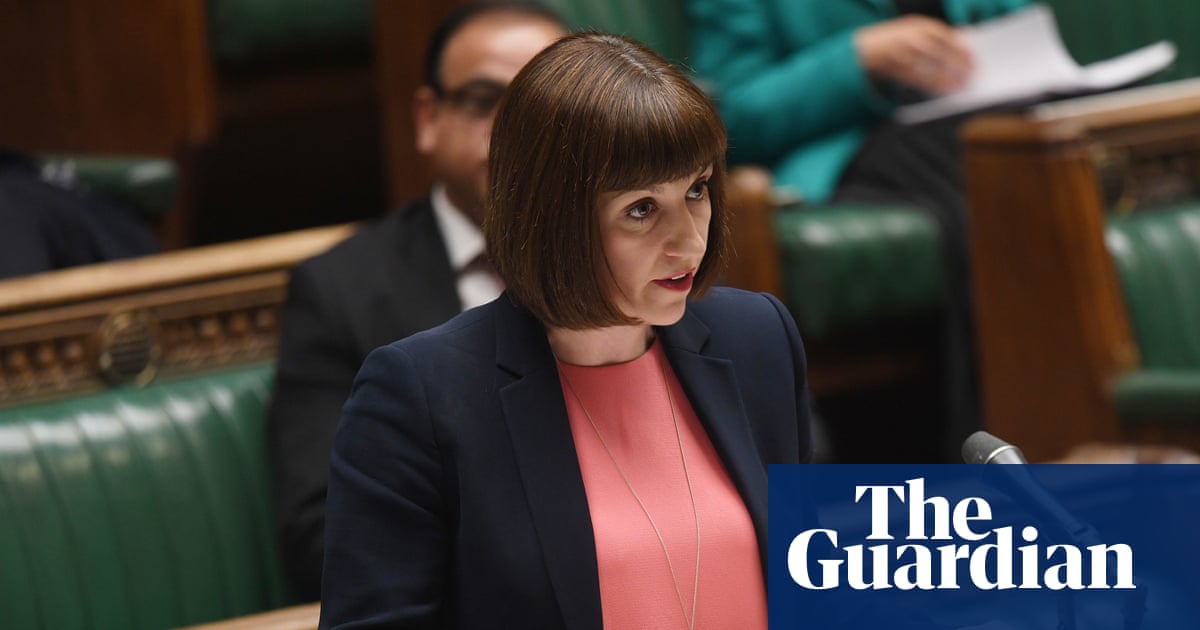
Bridget Phillipson, the Equalities Minister, responded to the Conservative shift with strong criticism, accusing the party of abandoning its commitment to tolerance and LGBT+ rights. She stated that Badenoch has demonstrated no interest in supporting these communities or calling out abuse against them. Phillipson highlighted that for nearly a decade, there was a broad political and international consensus on the illegality of such abusive practices, a consensus that previously included Badenoch herself.
The contradiction between current Conservative stances and past positions is a central point of contention. In 2021, while serving as Equalities Minister under a previous Conservative government, Badenoch expressed support for banning conversion therapy. She stated at the time that she wanted to ensure people could live their lives without fear or intimidation. Phillipson pointed out this reversal as evidence that the party is now prioritizing alignment with Reform UK, a right-wing populist group, over maintaining a tolerant and modern society.
Conservative representatives defend their current position by citing the need for thoughtful support for young people questioning their gender identity. They argue that the Labour-proposed bill risks stifling honest, exploratory conversations that are crucial before individuals undergo life-changing medical interventions. A spokesperson referenced the case of Keira Bell, a young woman who regretted undergoing puberty blockers and surgery after being prescribed them as a teenager, to illustrate the potential dangers of limiting such discussions.
The Policy Exchange report further argues that conversion practices are relatively rare and that existing laws already provide sufficient coverage for offenses arising from these practices. The thinktank characterized the new bill as an attack on those who do not adhere to a narrow set of beliefs regarding gender identity. This perspective suggests that the legislation is less about preventing abuse and more about enforcing specific ideological viewpoints.
As the consultation period continues, the debate underscores deeper divisions within British politics over the role of the state in regulating personal conduct and protecting minority rights. The government maintains that the bill is necessary to uphold a society where individuals can be their true selves without fear. Meanwhile, the Conservatives insist that their concerns are rooted in protecting parental rights and ensuring that young people receive appropriate clinical advice without pressure.
The outcome of this legislative process will likely have lasting implications for LGBT+ rights in the UK. If passed, the bill would represent a significant expansion of legal protections against conversion practices. However, if the Conservative objections gain traction or influence future amendments, the scope of these protections may be narrowed. The current stalemate reflects broader societal tensions regarding gender identity and the limits of political consensus on social issues.
Observers note that the shift in Conservative policy signals a strategic realignment toward more conservative social values, potentially at the expense of previous bipartisan agreements. This move could reshape the political landscape, forcing other parties to reconsider their positions on related issues. The coming months will be critical in determining whether the draft bill can overcome these objections and secure passage into law.
Sources behind this briefing
Go to the original reporting
- The Guardian World↗Bridget Phillipson: Kemi Badenoch has ‘no interest in supporting LGBT+ people’