The short version
- The Marine Management Organisation is stepping up legal warnings after a rise in both accidental and intentional disturbances of protected seahorses.
- Warmer summer weather has increased water activity, leading to more encounters with these fragile animals in key habitats like Poole Harbour and Studland Bay.
- Conservationists urge the public to maintain distance, avoid flash photography, and report sightings to support national database efforts.
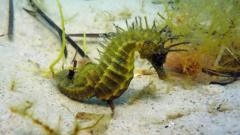
Regulators in the United Kingdom are issuing renewed legal warnings regarding the protection of seahorses, a species that is legally safeguarded under domestic wildlife laws. The Marine Management Organisation (MMO) has announced an escalation in efforts to inform the public about their obligations after reporting a noticeable increase in incidents involving these animals. This surge in activity coincides with warmer weather patterns that have drawn more people into coastal waters for recreational diving and snorkeling, creating a higher probability of human-animal interaction.
The MMO clarified that any individual intending to seek out, film, or photograph seahorses must possess a specific wildlife license. While many encounters are accidental—often occurring while individuals are crabbing or swimming—the organization has also noted a rise in deliberate attempts to locate and document the creatures. Such intentional activities are considered likely to disturb the animals and may constitute a legal offense if conducted without proper authorization. The warning applies broadly to divers, snorkelers, and professional media production companies alike.
Jess Churchill-Bissett, head of marine wildlife conservation at the MMO, emphasized the vulnerability of these native species. She noted that seahorses are fragile marine animals easily disrupted by human presence. While acknowledging the public fascination with seeing these creatures in their natural habitat, she warned that intentional disturbance without a license could lead to enforcement action. The regulatory body aims to balance public interest with strict conservation standards to prevent harm to populations that are already sensitive to environmental changes.
The focus of current educational campaigns is concentrated on specific regions known for significant seahorse populations, particularly Poole Harbour and Studland Bay in Dorset, as well as Torbay in Devon. These areas have become hotspots for both conservation efforts and recreational activity. In Studland Bay, which operates as a no-anchor zone to protect the seabed, boat users are encouraged to use paid eco-moorings. However, Neil Garrick-Maidment, founder of the Seahorse Trust, observed that publicity surrounding these protective measures may inadvertently tempt more people to visit these sites specifically to look for seahorses.
Garrick-Maidment attributed the rise in sightings and disturbances to a particularly strong summer season, which has seen a post-pandemic high in water-based recreation. He described seahorses as delicate and sensitive animals that require careful handling if encountered accidentally. For instance, if a seahorse is caught in a crab net, he advised acting quickly to minimize time out of the water, taking only a brief photo if necessary, and gently returning the animal to the water away from predators like seagulls.
For those encountering seahorses while snorkeling or diving, the guidance is to remain calm and maintain a safe distance. The use of flash photography is discouraged as it can startle or harm the animals. These recommendations align with broader conservation goals to reduce stress on marine life. The Seahorse Trust also encourages the public to report all sightings to contribute to the National Seahorse Database, arguing that accurate knowledge of population locations and behaviors is essential for effective protection strategies.
The legal framework surrounding seahorses in the UK is designed to prevent overexploitation and habitat degradation. Seahorses rely on fragile seagrass beds for shelter and breeding, making them particularly susceptible to damage from anchors, nets, and close human proximity. The MMO’s increased scrutiny reflects a broader trend of enforcing environmental protections as public access to natural spaces expands. By clarifying the legal requirements, authorities hope to deter intentional harassment while educating accidental offenders on best practices.
Looking ahead, the combination of regulatory enforcement and public education aims to mitigate the risks posed by increased recreational activity. The doubling of eco-moorings in certain areas is part of a long-term strategy to protect seabed habitats from physical damage. As summer activities continue, the balance between enjoying coastal resources and preserving vulnerable species remains a critical challenge for marine managers. The success of these measures will depend on public compliance and continued awareness of the legal and ecological stakes involved.
The situation underscores the complexities of modern conservation in popular recreational areas. While warmer weather brings economic and social benefits through tourism and leisure, it also places pressure on local ecosystems. The MMO’s proactive stance signals a shift toward stricter accountability for wildlife interactions. By providing clear guidelines and emphasizing the legal consequences of disturbance, regulators are attempting to foster a culture of respect for marine life among both casual visitors and professional operators.
Ultimately, the protection of seahorses relies on collective responsibility. From individual snorkelers to film crews, all parties must adhere to licensing requirements and behavioral guidelines. The integration of data collection through citizen reporting further strengthens conservation efforts by providing real-time insights into population dynamics. As enforcement actions become more visible, the message is clear: appreciation for these unique animals must not come at the cost of their well-being or legal protection.
Sources behind this briefing
Go to the original reporting
- BBC Science & Environment↗Legal warning after rise in seahorse disturbances

