The short version
- The UK government has authorized drilling at the Jackdaw gasfield in the North Sea, a move condemned by environmental groups for contradicting climate targets.
- Opponents argue the project will not lower consumer energy bills or enhance national security, noting that output is destined for international markets.
- Political divisions have emerged within the Labour Party and among trade unions, with some seeking compromises on electric vehicle mandates in exchange for silence on fossil fuel approvals.
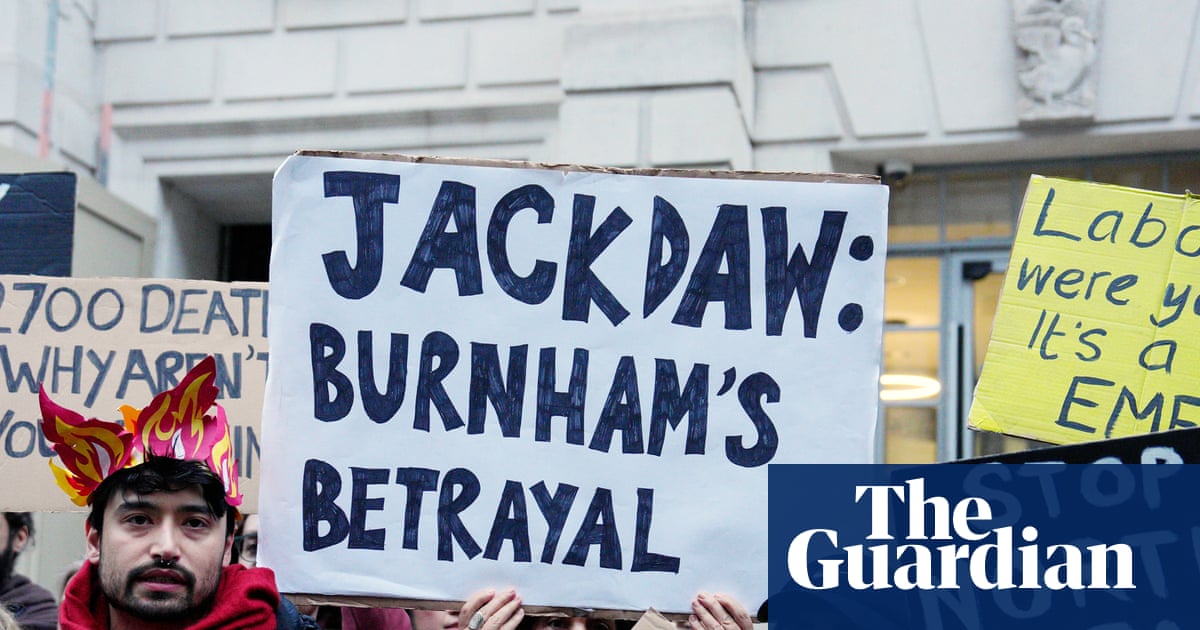
The United Kingdom government has moved forward with plans to develop the Jackdaw gasfield in the North Sea, a decision that has triggered immediate criticism from environmental advocates and green policy experts. These groups argue that the approval jeopardizes the nation’s stated climate objectives and fails to address the urgent need for decarbonization in the energy sector. The timing of the announcement has drawn particular scrutiny, coming shortly after the country experienced its hottest summer on record, marked by severe droughts, wildfires, and a significant number of heat-related fatalities.
Danny Gross, a campaigner for Friends of the Earth, questioned the logic behind the decision given the recent extreme weather events. He suggested that the government appears disconnected from the reality of global heating and the warnings issued by the United Nations regarding the 1.5C warming limit. According to Gross, the gas extracted from Jackdaw will be sold on international markets rather than bolstering domestic energy security. This means the project contributes to global greenhouse gas emissions without providing direct relief to UK consumers facing high living costs.
Tessa Khan, executive director of Uplift, echoed these concerns, stating that the move primarily benefits large oil corporations and their shareholders. She argued that clean energy initiatives are the true path to lowering utility bills and reindustrializing regions, whereas fossil fuel expansion drives up prices and exacerbates climate impacts. Khan highlighted the contradiction between the government’s green ambitions and its actions, describing the disconnect as frustrating for those advocating for a rapid transition away from carbon-intensive fuels.
Economic analyses suggest that any employment gains from the Jackdaw project will be minimal and temporary. Kyle Lischak of ClientEarth noted that oil companies are likely to extract profits and leave behind environmental liabilities, while the public bears the long-term costs of extreme weather. Ami McCarthy from Greenpeace UK pointed out that the industry’s own assessment indicates only twenty-seven full-time jobs will be created. She characterized the approval as evidence of the continued influence fossil fuel lobbyists hold over energy policy, despite promises of pragmatism from officials like Andy Burnham.
Political reactions to the decision have been sharply divided. Conservative politicians, members of Reform UK, and some trade union leaders, including representatives from Unite, welcomed the move. However, a coalition of ten unions representing firefighters, healthcare workers, and teachers recently signed a statement opposing the development of the Rosebank oilfield, another North Sea project pending approval. This split highlights growing tensions within the labor movement regarding the balance between immediate economic interests and long-term environmental sustainability.
Within the ruling Labour Party, many members have expressed disappointment over the green light for Jackdaw. Some MPs are reportedly seeking a political compromise: in exchange for remaining quiet about this decision and potentially the Rosebank project, they want to ensure that mandates on electric vehicles are not weakened. One Labour MP described the EV mandate as a more significant issue for long-term emissions reduction. This internal negotiation underscores the difficulty of maintaining a unified stance on energy policy while addressing both climate goals and economic concerns.
The Green Party has seized upon these divisions, viewing them as an electoral opportunity. Leader Zack Polanski labeled the decision as climate vandalism and a betrayal of future generations. He argued that Labour has lost credibility in its fight against climate change, citing admissions from government ministers that the project will not affect energy bills or significantly impact public health pressures caused by heatwaves. Polanski framed the approval as a victory for Shell over the general public, emphasizing the lack of tangible benefits for ordinary citizens.
International implications are also coming under scrutiny. Mohamed Adow, director of Power Shift Africa, warned that approving new fossil fuel projects damages Britain’s ability to persuade other nations to reduce their own reliance on oil and gas. He argued that developing countries will view this double standard negatively, especially as they suffer from the consequences of climate change. With UK officials expected to attend the upcoming UN climate summit in Turkey, the Jackdaw decision may complicate efforts to demonstrate leadership and commitment to global climate agreements.
As the government prepares for international negotiations, the domestic debate over energy strategy continues to intensify. The approval of Jackdaw serves as a flashpoint for broader questions about how the UK balances economic pragmatism with environmental responsibility. While supporters see it as a necessary step in managing energy supplies, critics view it as a setback for climate progress and a signal that fossil fuel interests remain powerful in shaping national policy. The coming months will likely reveal whether this decision leads to further political realignment or renewed pressure for stricter environmental regulations.
Sources behind this briefing
Go to the original reporting
- The Guardian World↗Climate campaigners condemn ‘maddening’ decision to approve Jackdaw gasfield