The short version
- Prince Edward Rukidi Kijanangoma II is set to be crowned the new King of Tooro, replacing the late Oyo Nyimba Kabamba Iguru Rukidi IV who died at age 34.
- The succession committee bypassed a potential heir mentioned in the late king's will, citing lack of public recognition and adherence to clan lineage rules.
- Queen Best Kemigisa has condemned the decision as painful and controversial, noting that her grandson remains in the United States to avoid conflict.
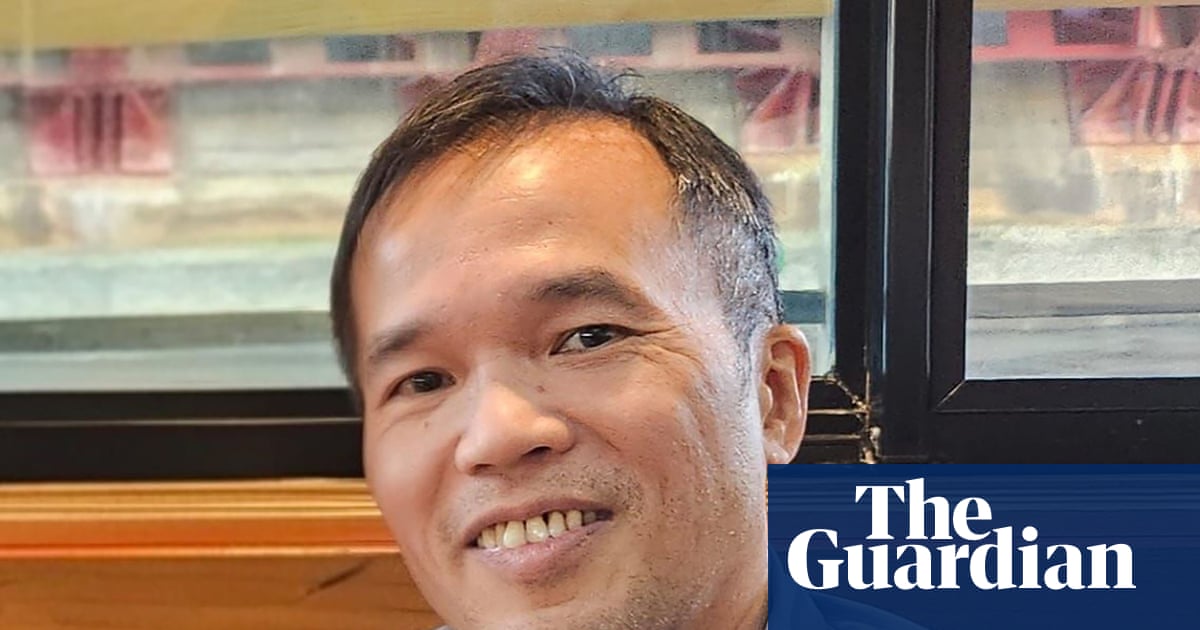
A significant shift in Uganda’s traditional leadership structure is underway as Prince Edward Rukidi Kijanangoma II prepares for his coronation as the new monarch of the Tooro kingdom. The selection marks a departure from recent expectations, placing a former journalist and state broadcaster anchor on the throne rather than a direct descendant of the late ruler. This development has triggered a bitter dispute within the royal family, highlighting tensions between established clan protocols and the personal wishes of the deceased king’s immediate relatives.
The Tooro kingdom, one of four officially recognized historical entities in Uganda, was led for three decades by King Oyo Nyimba Kabamba Iguru Rukidi IV. Ascending to power as an infant in 1995 after his father’s death, Oyo became known globally as the world’s youngest monarch at the time. His reign ended abruptly last month when he passed away from cancer at the age of 34. The transition of power following such a young and relatively short-lived reign has complicated the succession process, drawing intense scrutiny to the mechanisms used to determine the next ruler.
Under Tooro tradition, the throne should pass to a recognized son of the late king. Members of the royal family assert that Oyo left behind a will designating his young son as the rightful heir. However, this child has never been publicly acknowledged or presented to the succession committee. The group of 21 Babiito clan members responsible for selecting the new monarch rejected the claim, stating that the absence of public recognition meant the lineage did not meet customary requirements. Consequently, they chose Kijanangoma, a cousin of the late king and grandson of King Rukidi III.
Queen Best Kemigisa, the mother of the late King Oyo, has voiced strong opposition to the committee’s decision. She described the announcement of a new king shortly after her son’s death as deeply distressing, particularly because celebrations occurred near where his body lay. Kemigisa argued that the will should have been honored and expressed concern for her grandson, who is currently in Texas. She stated that returning him to Uganda during such a polarized dispute could expose the child to hostility and conflict, leading to his continued stay abroad.
Officials from the Tooro kingdom maintain that their selection process strictly followed cultural norms. Charles Mwanguhya, the kingdom’s Information Minister, indicated that there is growing acceptance within the clan that King Oyo did not leave a recognized heir. He emphasized that the crown has moved to a different line within the ruling Babiito clan, specifically descending from King George David Matthew Kamurasi Rukidi III. This lineage requirement ensures that only specific descendants are eligible for the throne, regardless of other familial claims.
The coronation ceremony itself involves traditional rituals designed to symbolize the challenges and responsibilities of kingship. The event begins at midnight with customary practices, followed by a four-kilometer procession to the Karuziika royal palace. A mock fight is staged to demonstrate that leadership is not easily attained, after which members of the Babiito clan bless the new monarch. The ceremony concludes with the placement of an actual crown on Kijanangoma’s head, formally signifying his authority and position as the Omukama of Tooro.
Kijanangoma, 56, was not the only candidate considered for the role. Prince George Desmond Kamurasi, a goalkeeper for a prominent amateur football club in the United Kingdom, was also approached but declined the offer due to other commitments. Kijanangoma’s background as a storyteller and editor at the state broadcaster makes him a familiar figure to many Ugandans, though his transition from media personality to monarch has sparked widespread reaction both domestically and internationally.
While traditional kings in Uganda hold no formal political power, they retain significant cultural influence and command deep loyalty within their communities. The kingdoms were abolished in 1967 but restored in the 1990s under President Yoweri Museveni. As Kijanangoma assumes his role, he has pledged to keep the palace open to the public and focus on unity and development. He emphasized that he cannot govern alone and requires the support of the people, aiming to bridge the divide created by the succession controversy.
The dispute underscores the delicate balance between modern legal instruments like wills and ancient customary laws in post-colonial African states. As the Tooro kingdom navigates this transition, the outcome may set precedents for how other traditional kingdoms handle similar succession issues. The resolution of this conflict will likely depend on whether the clan’s authority supersedes individual familial claims, a question that remains unresolved as the new king prepares to take his seat.
Looking ahead, the stability of the Tooro kingdom will be tested by the ongoing tension between Queen Kemigisa’s faction and the succession committee. The absence of the potential heir in Texas adds an element of uncertainty to the future legitimacy of Kijanangoma’s rule. Observers will watch closely to see if the new king can unify the divided royal family and maintain the cultural cohesion that has defined the Tooro kingdom for generations.
Sources behind this briefing
Go to the original reporting
- BBC World↗Journalist to be crowned king in Uganda after bitter succession dispute