The short version
- Tran Hiep, an Australian citizen and anti-trafficking advocate, has not been heard from since mid-September after traveling to Cambodia for meetings with dissident groups.
- His wife urges the federal government to pressure Cambodian authorities, citing patterns of cross-border targeting of Vietnamese activists by neighboring regimes.
- Families have appealed to United Nations bodies regarding enforced disappearances while Australian consular officials provide limited assistance.
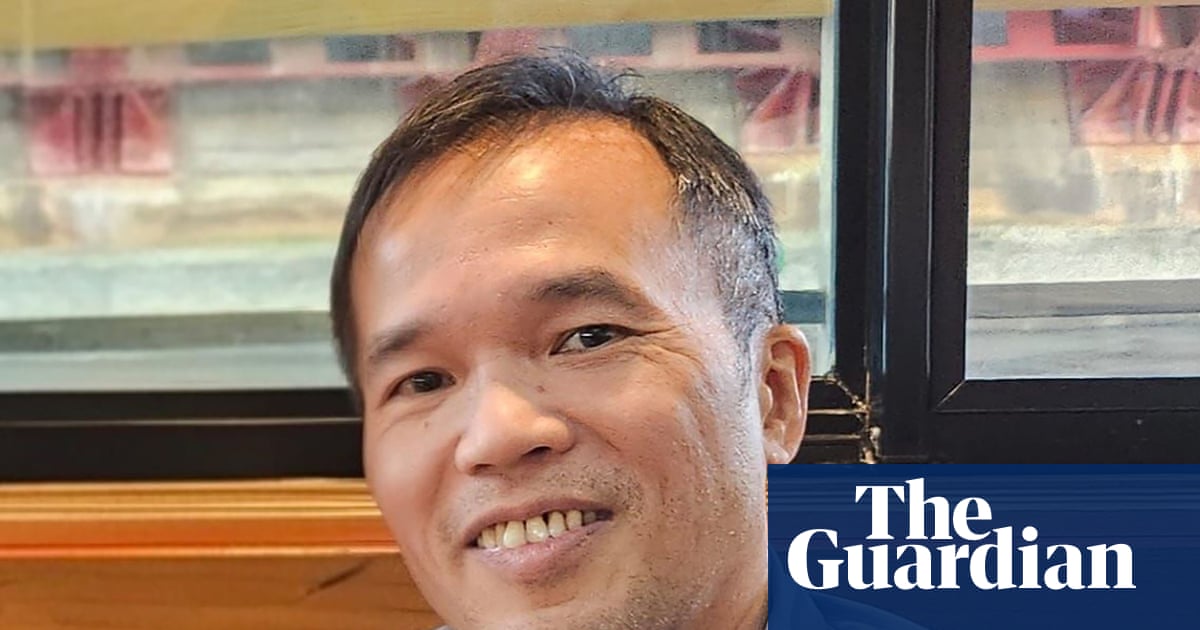
A prominent Australian human rights activist has vanished in Cambodia, sparking urgent appeals from his family for federal government intervention. Tran Hiep, a fifty-year-old campaigner against human trafficking and democracy advocate, was scheduled to return to Bangkok, Thailand, on September eighteen to reunite with his wife, Chloe Dang. Instead, he failed to board his flight and ceased all communication, leaving his whereabouts unknown as of late September.
Dang has publicly implored the Albanese government to secure her husband’s release and ensure his safety. Speaking from Bangkok before returning to Melbourne, she expressed deep concern over the lack of information regarding Hiep’s status. She emphasized that her husband deserves protection and called for sustained diplomatic pressure on Cambodian authorities to conduct a transparent investigation into his disappearance.
Hiep was traveling with Nguyen Duc Thuan, a fellow Vietnamese activist who holds Norwegian citizenship. The pair had entered Cambodia specifically to meet with human rights defenders and dissident Vietnamese activists for training purposes. Their itinerary involved engaging with individuals critical of the Vietnamese government, a context that has raised alarms among civil society organizations about potential state-sponsored targeting.
The incident occurs against a backdrop of intensifying repression in Vietnam. Authorities have arrested more than fifty-five activists under broad criminal statutes in 2025 alone. International observers, including United Nations human rights experts, have warned of growing cooperation between Vietnamese officials and neighboring governments to target advocates operating outside Vietnam’s borders. This regional coordination suggests that the disappearances may not be isolated incidents but part of a broader strategy to silence dissent.
Viet Tan, a pro-democracy diaspora political party, has characterized the case as highly concerning. The organization noted that both Hiep and Thuan are long-time members and human rights advocates. They pointed to previous cases where Vietnamese dissidents disappeared in neighboring countries only to reappear in custody within Vietnam. This pattern leads some observers to view the current situation not as a standard missing person case but as a potential enforced disappearance.
The psychological toll on Dang has been significant. She described eleven days of uncertainty as mentally devastating, stating that the lack of clarity regarding her husband’s condition is causing severe distress. Her public appeals highlight the personal cost of geopolitical tensions and the vulnerability of activists operating in regions with weak rule of law or active political persecution.
The Australian Department of Foreign Affairs and Trade confirmed it is providing consular assistance to Dang. However, officials declined to offer further details on the investigation or diplomatic engagements. This limited public response reflects standard protocol for sensitive international cases but has left families seeking more aggressive advocacy from Canberra.
In response to the uncertainty, the families of the missing men have filed an appeal with the United Nations Working Group on Enforced or Involuntary Disappearances. This move seeks international scrutiny and pressure on Cambodian authorities to disclose information about Hiep and Thuan. The case underscores the challenges faced by diaspora activists and the limitations of consular support when dealing with potential state-sponsored abductions in Southeast Asia.
As days pass without news, the situation remains unresolved. The intersection of personal tragedy and international human rights concerns places significant attention on how regional powers collaborate to suppress political opposition. The outcome of this case may set a precedent for how Australia handles similar incidents involving citizens targeted abroad for their activism.
Sources behind this briefing
Go to the original reporting
- The Guardian World↗Melbourne human rights activist disappears in Cambodia as wife urges Albanese government help