The short version
- The United Arab Emirates has signaled it may cancel significant investments in the United Kingdom following an independent commission’s guilty verdict against Manchester City.
- Emirati officials stated that the Premier League’s enforcement actions will negatively impact the broader state-to-state relationship between the two nations.
- Specific threats include the potential withdrawal of funding for a proposed technology hub linked to Oxford and Cambridge universities, described as a Silicon Valley-style initiative.
The United Arab Emirates has issued a stark warning to London regarding its ongoing economic partnerships, suggesting that major investments could be halted in response to recent legal developments involving Manchester City. Emirati officials indicated that the actions taken by the Premier League against the football club would exert a direct influence on the bilateral relationship between the two states. This development marks a significant escalation in tensions, moving beyond sports governance into the realm of international diplomatic and economic strategy.
The catalyst for this potential shift is an independent commission’s ruling in September, which found Manchester City guilty of 114 out of 115 charges related to financial rule breaches between 2009 and 2018. The commission characterized the club’s activities as a sham, noting that witnesses provided dishonest testimony during hearings. These findings have prompted strong reactions from Abu Dhabi, where officials view the verdict not merely as a sporting sanction but as an affront to national interests.
Among the investments at risk is a multi-billion pound project aimed at establishing a technology hub in the United Kingdom. Reports indicate that this initiative, often compared to Silicon Valley models, involves close ties with Oxford and Cambridge universities. The potential withdrawal of such funding represents a substantial blow to UK efforts to bolster its tech sector and maintain strong economic links with Gulf states. The scale of the proposed investment underscores the gravity of the UAE’s position.
Diplomatic channels have already seen activity related to this dispute. Khaldoon Al Mubarak, the chairman of Manchester City, reportedly met with Jonathan Reynolds, the UK business secretary, at Downing Street two weeks prior to the Premier League’s announcement. This meeting suggests that high-level discussions were underway regarding the implications of the impending verdict. The timing and nature of these interactions highlight the interconnectedness of sports administration and government policy in this case.
The UK government has responded cautiously to the unfolding situation. A spokesperson for Number 10 described the guilty verdict as serious, acknowledging the weight of the commission’s findings. However, internal divisions within British political circles have emerged regarding how to handle the fallout. Prime Minister Rishi Sunak expressed concern about the possibility of the current owners selling the club, a stance that has drawn criticism from opposition figures.
Conservative shadow sport minister Louie French accused the prime minister of publicly backing the club’s owners during an investigation into their funding practices. French characterized the government’s position as extraordinary, suggesting it undermines the integrity of the regulatory process. This political friction adds another layer of complexity to the issue, as domestic political dynamics intersect with international diplomatic pressures.
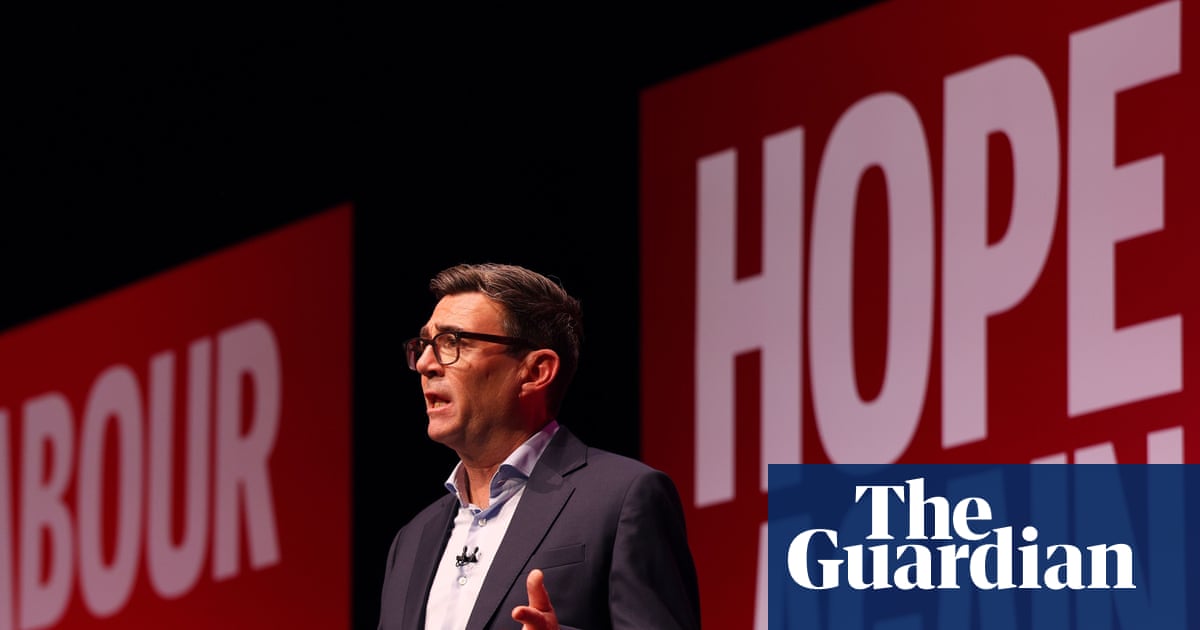
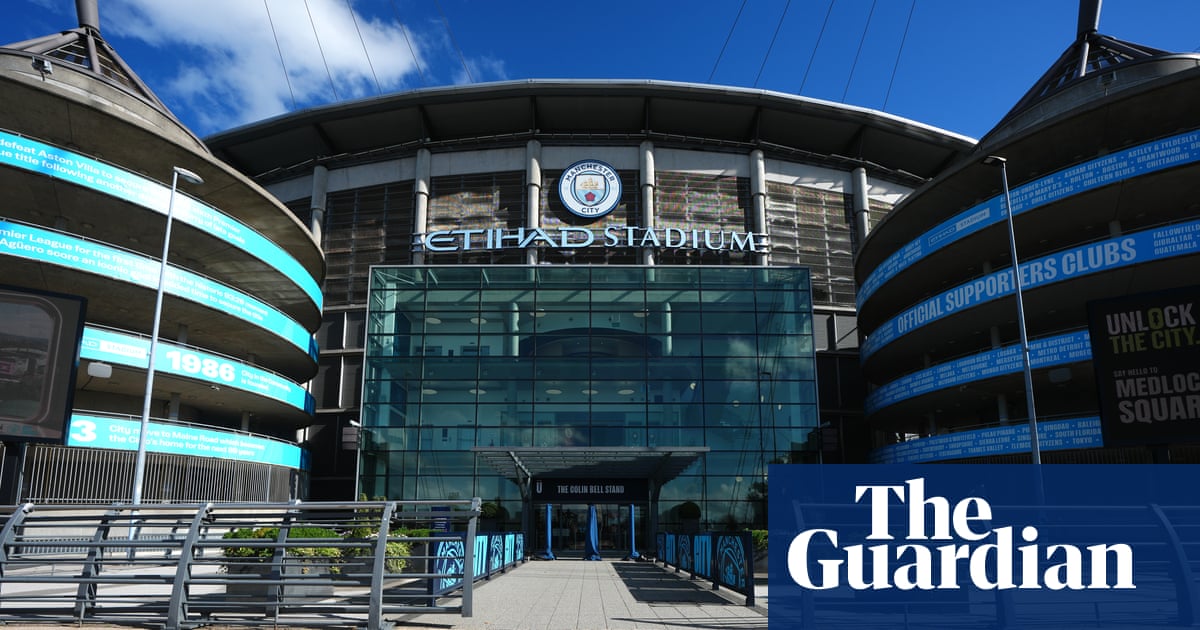
Local leadership in Manchester has also weighed in, with Mayor Andy Burnham expressing deep concern about losing the club’s ownership group. Burnham emphasized the significant role the City Football Group has played in developing modern Manchester, citing investments in the Etihad Stadium and surrounding infrastructure. He acknowledged that the money injected into the city extended beyond the stadium itself, benefiting broader urban development projects.
Manchester City has lodged an appeal against the commission’s ruling, asserting that the decision contains clear material errors of law, principle, and fact. The club maintains its innocence, stating that a comprehensive body of irrefutable evidence supports its positions. As the legal process continues, the uncertainty surrounding the final outcome remains high, with potential implications for both the club’s future and the wider UK-UAE relationship.
The situation illustrates the growing intersection of sports, finance, and diplomacy in the modern era. With billions of pounds at stake and national reputations on the line, the resolution of this dispute will likely have far-reaching consequences. Stakeholders on both sides are now navigating a delicate balance between upholding regulatory standards and preserving valuable economic partnerships.
As negotiations and legal appeals proceed, the focus remains on whether the UAE will follow through on its threats to withdraw investment. The outcome could set a precedent for how international sporting bodies handle financial misconduct involving state-backed entities. For now, the UK government faces the challenge of managing domestic political criticism while maintaining stable relations with a key global partner.
Sources behind this briefing
Go to the original reporting
- The Guardian World↗UAE may halt UK investments after Manchester City guilty verdict