The short version
- Voters who drifted from Labour during the Starmer era report feeling a renewed sense of connection with Prime Minister Andy Burnham.
- Supporters express strong desire for closer EU ties but fear punitive terms if Britain attempts to rejoin the bloc.
- Proposals to reform the pension triple lock to fund social care face resistance due to concerns about tax increases and perceived unfairness.
Prime Minister Andy Burnham has secured a tentative reprieve in the court of public opinion, according to recent focus group discussions with voters who had previously abandoned the Labour Party. These individuals, many of whom shifted their support to Reform UK, the Conservatives, or the Greens during Keir Starmer’s tenure, described Burnham as notably more relatable and authentic than his predecessor. The reception was characterized by a sense that the new leader genuinely represents working-class interests rather than pursuing self-serving political goals.
Participants contrasted Burnham’s demeanor sharply with the administration of former Prime Minister Keir Starmer, whom they viewed as disorganized and disconnected from public sentiment. One attendee described the previous leadership as a shambles from the moment Labour took office. This shift in perception suggests that Burnham has successfully cut through the noise of modern political discourse, earning his party a second chance to engage with disillusioned voters who felt ignored during the prior administration.
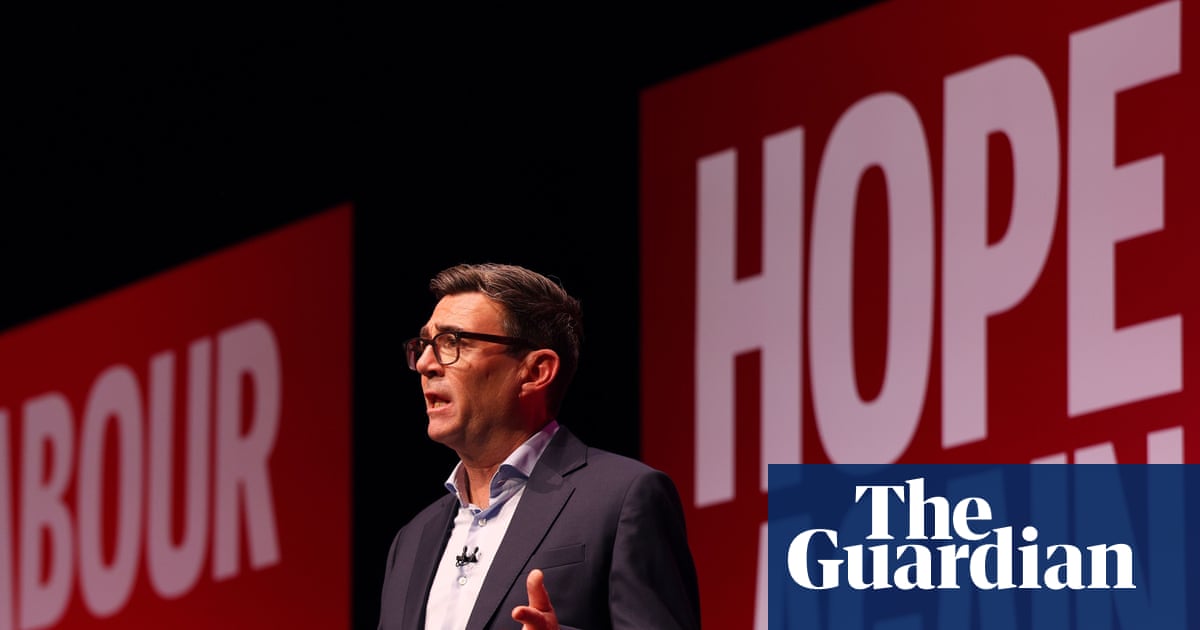
The emotional resonance of Burnham’s conference speech played a significant role in this rehabilitation. His willingness to discuss personal loss, specifically the death of his father, struck a chord with viewers who appreciated a politician displaying vulnerability. This humanizing element helped bridge the gap between the government and citizens who had become cynical about political performance. The group noted that such authenticity is rare among contemporary leaders and contributed to their renewed interest in Labour’s platform.
However, enthusiasm for Burnham’s personal style does not translate into unconditional support for his policy agenda. When discussing the prospect of revisiting the United Kingdom’s relationship with the European Union, participants expressed a complex mix of regret over Brexit and anxiety about potential consequences. While many agreed that leaving the EU was a mistake, they were wary of rejoining under unfavorable terms. There is a prevailing fear that Brussels might impose punitive conditions on Britain as a form of punishment for its departure.
The concern extends beyond economic metrics to broader geopolitical stability. Voters cited feelings of isolation in an increasingly volatile global landscape and expressed doubt about the reliability of traditional allies like the United States. Despite these worries, the specifics of reintegration remain a source of caution. Many participants felt that returning to previous arrangements would be straightforward, but they suspected that any new deal might come with strings attached that could disadvantage British interests.
The proposal to reform the pension triple lock in order to fund social care services generated even more skepticism. While some acknowledged the necessity of addressing the care crisis, others viewed the adjustment as an unfair burden on retirees. The discussion revealed a disconnect between political rhetoric and public perception regarding wage growth and inflation. Many participants felt their own incomes had stagnated, making them sympathetic to pensioners who might see reduced benefits.
Resistance intensified when participants considered alternative funding mechanisms. Suggestions that higher earners should bear the cost were met with indifference, while warnings from union leaders and economic analysts about potential tax hikes triggered strong opposition. Attendees expressed a clear unwillingness to accept additional taxation, citing financial strain as a primary concern. The fear of being asked to contribute more to a system they perceive as already broken undermines support for Burnham’s fiscal plans.
Ultimately, while Burnham has succeeded in re-establishing a personal connection with voters who had drifted away, the substantive details of his agenda face significant hurdles. The initial goodwill generated by his conference speech may not be enough to overcome deep-seated concerns about economic fairness and international relations. The prime minister must now navigate these complexities carefully, as the battle for public opinion is far from won despite the early positive reception.
The focus group dynamics highlight a critical challenge for the new administration: translating personal credibility into policy acceptance. Voters are willing to give Burnham the benefit of the doubt based on his character and communication style, but they remain vigilant about the practical implications of his decisions. The coming months will test whether Labour can deliver on its promises without alienating the very constituents it seeks to win back.
As the government moves forward, the tension between populist appeal and fiscal reality will likely define Burnham’s early tenure. The ability to address social care needs without imposing unpopular taxes or compromising national sovereignty in EU negotiations will be crucial. Until these issues are resolved with clarity and fairness, the rehearing earned by the prime minister may prove fleeting rather than foundational.
Sources behind this briefing
Go to the original reporting
- The Guardian World↗‘He feels more relatable’: Burnham’s conference speech wins praise from drifting Labour voters