The short version
- President Trump suggested at a Nebraska rally that Iranian strikes on Los Angeles and San Diego would be an acceptable cost for national security.
- California Governor Gavin Newsom activated the state’s threat-assessment center while forty-three congressional members demanded a presidential apology.
- Republican officials largely remained silent, though the White House framed the comments as referring to hypothetical threats from a nuclear-armed Iran.
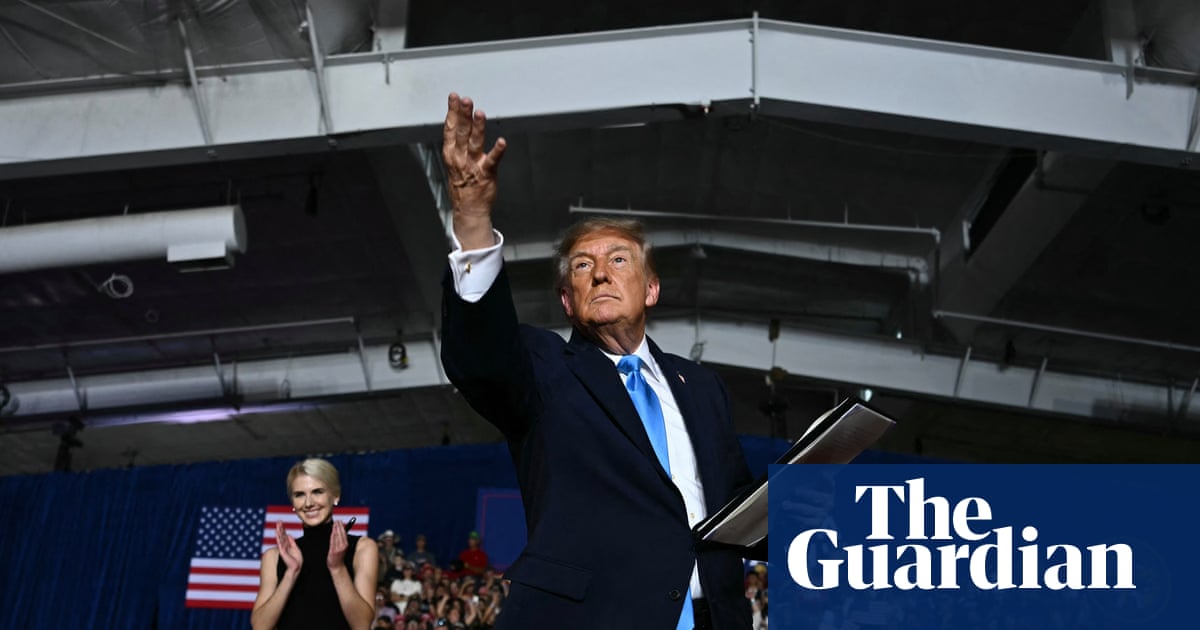
A political firestorm erupted this week after President Donald Trump appeared to suggest that the destruction of two major California cities by Iranian forces would be a tolerable consequence of ongoing military conflict. Speaking at a rally in Nebraska, the president told supporters that allowing Iran to strike Los Angeles and San Diego represented a small price to pay for ensuring global safety and concluding what he described as an artificial war effort.
The remarks marked a stark departure from typical campaign rhetoric, even within the context of Trump’s long-standing confrontational style. While his rallies often feature repetitive themes regarding immigration, election integrity, and cultural divisions, this specific comment crossed into territory that prompted immediate alarm among political opponents and security officials alike. The president framed the potential loss of life as a necessary verification of previous actions taken against Iran.
Reaction from Democratic leaders was swift and severe. Senator Chris Murphy of Connecticut characterized the comments as sick and evil, while independent Senator Bernie Sanders accused the president of treating the annihilation of American cities as an acceptable trade-off. The intensity of the backlash extended beyond federal politicians to include statements from groups such as Astronauts for America, which issued a formal condemnation of the president’s words.
In California, the response included concrete security measures. Governor Gavin Newsom labeled the president deranged and dangerous, subsequently placing the state’s threat-assessment center on high alert. This move signaled a serious concern regarding potential domestic threats or foreign retaliation inspired by the rhetoric. Additionally, forty-three members of Congress from California jointly called for an apology, highlighting the geographic specificity of the outrage.
The Republican response, however, was notably muted. Most party members remained silent, continuing a pattern observed in previous controversies involving the president. The White House communications director, Steven Cheung, attempted to contextualize the remarks by claiming Trump was referring to the hypothetical danger posed by a nuclear-armed Iran that had not been stopped. Some critics suggested the comments were incoherent rather than malicious, attributing them to clumsy speech rather than deliberate intent.
Despite these defenses, the core message remained clear and disturbing to many observers. The president explicitly stated that Los Angeles and San Diego could be taken out, a sentiment met with cheers from his supporters. This reaction raised questions about the normalization of extreme rhetoric within his base. Observers noted that similar comments from previous presidents would have likely resulted in accusations of treason or concerns over mental fitness.
The incident also highlighted broader tensions regarding the president’s age and cognitive state. Recent rallies have featured disjointed narratives and unusual statements, including a recent warning at a Hispanic Heritage Month event about falling from a height. Critics argue that these moments reflect a decline in mental acuity, while supporters often dismiss them as characteristic of his unconventional communication style.
The targeting of California cities underscored the president’s ongoing strategy of dividing the country along geographic and ideological lines. For years, Republicans have portrayed California as a symbol of progressive excess, making it a frequent target for political retribution. This rhetoric contributes to a growing sense of othering within American society, where political opponents are increasingly viewed as enemies rather than fellow citizens.
Meanwhile, Vice President JD Vance continued his own campaign trail, making controversial remarks in Florida about Democratic Senate candidate Angie Nixon. His comments echoed the divisive tone set by the president, suggesting that those with socialist views do not belong in America. This alignment between the top two officials reinforces a unified but polarizing message heading into the election cycle.
As the political fallout continues, the incident serves as a reminder of the deep divisions within the country. The normalization of extreme rhetoric and the willingness of some supporters to cheer for potential destruction highlight the challenges facing American democracy. Whether these comments will have lasting electoral consequences remains uncertain, but they have undoubtedly intensified the already heated political climate.
Sources behind this briefing
Go to the original reporting
- The Guardian World↗The most shocking part of Trump’s comments is what our reaction says about us