The short version
- The Conservative leader announced plans to fully exempt family homes from inheritance tax and increase the tax-free threshold for couples to £1 million, aiming to reduce the number of affected estates by more than half.
- Economic analysts warn that the policy would primarily benefit high-net-worth individuals in London and the South East, potentially discouraging older homeowners from downsizing and exacerbating housing shortages.
- The party estimates the reform will cost £6 billion annually, claiming it can be offset by welfare cuts and other savings, though critics argue this deprives public services of necessary funding during a period of economic strain.
Conservative leader Kemi Badenoch has unveiled a significant restructuring of the United Kingdom’s inheritance tax regime, proposing to completely exempt family homes from the levy if her party wins the next general election. Speaking at the annual party conference in Birmingham, she declared that no one would ever pay inheritance tax on their primary residence. The proposal also includes raising the standard tax-free threshold for individuals to £500,000, allowing married couples or civil partners to pass on an additional £1 million to their heirs without incurring any tax liability.
The policy is designed to drastically reduce the number of estates subject to inheritance tax. Currently, fewer than five percent of UK deaths result in a tax bill, but this figure is projected to rise as asset values increase and thresholds remain frozen. The Conservatives estimate that their reforms would cut the number of affected estates from a projected 52,100 in 2030 to approximately 22,000. Badenoch framed the change as a reward for hard work and saving, positioning it alongside other measures such as repealing the mansion tax and offering support for childcare costs for high earners.
Financial experts have scrutinized the distributional impact of the proposal, noting that the benefits would be heavily concentrated among the wealthiest households. The Institute for Fiscal Studies indicated that the primary beneficiaries would be those with the highest levels of wealth and the most valuable properties, predominantly located in London and the South East. If inheritance tax were abolished entirely, as Badenoch has suggested is a long-term goal, the top one percent of estates—those valued at £2.1 million or more—would capture half of the total financial benefit.
Beyond equity concerns, economists have raised alarms about the potential unintended consequences for the housing market. Professor Andy Summers of the Centre for the Analysis of Taxation described the plan as an inefficient method for delivering tax relief, arguing that exempting family homes regardless of value would incentivize older homeowners to retain large properties rather than downsizing. This behavior could further constrain the supply of available housing, exacerbating existing shortages and driving up prices for younger buyers who are already struggling to enter the market.
The fiscal implications of the policy have also drawn sharp criticism. The Office for Budget Responsibility projects that inheritance tax will generate £9.5 billion in 2026-27, rising to £14.5 billion by 2030-31. The Conservatives estimate their proposed changes would cost £6 billion annually by 2029-30. To offset this expenditure, the party claims it has identified £71 billion in annual savings, including £36 billion from reductions to the welfare bill. Tax Justice UK condemned the plan as a reckless giveaway that would strip public services of essential funds at a time when they are under significant pressure.
Political opponents have seized on the announcement to reinforce narratives about Conservative priorities. Bridget Phillipson, Labour’s chair and minister for equalities, argued that the policy demonstrates a continued preference for aiding the wealthy over supporting ordinary families facing rising costs, particularly in social care. Reform UK also criticized the move, with finance spokesperson Robert Jenrick asserting that the Conservatives were catering to their own affluent base in Kensington while neglecting broader national interests. He noted that the changes would affect only a small fraction of houses, mostly in the capital.
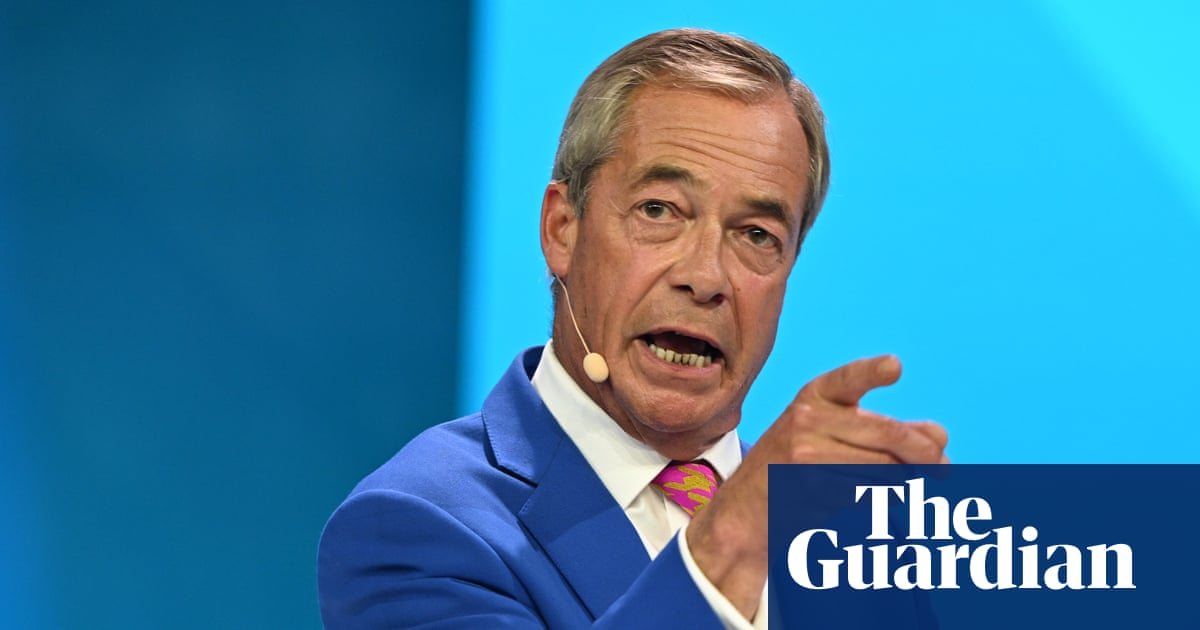
Despite the focus on tax policy, Badenoch used her speech to address internal party dynamics and external political threats. She rejected calls from some within her ranks to form an alliance with Reform UK, arguing that such a move would damage the Conservative brand. Instead, she appealed directly to voters who have drifted toward Nigel Farage’s party, acknowledging that while many are interested in the Conservatives’ new direction, they have not yet converted that interest into support. She emphasized that character and standards remain central to her vision for the party.
Looking ahead, Badenoch outlined a broader economic strategy centered on growth, including plans to cut red tape in planning regulations, build a third runway at Heathrow Airport, and implement new energy policies. These measures are intended to attract middle-class swing voters back to the Conservatives, who have struggled to recover from their defeat in the 2024 election. The party remains focused on reestablishing itself as the primary opposition force on the right, balancing appeals to traditional heartlands with efforts to broaden its electoral base.
Sources behind this briefing
Go to the original reporting
- The Guardian World↗Tories accused of prioritising rich voters as Badenoch lays out inheritance tax cut plan
- BBC News↗What's in the Conservatives' inheritance tax plan and who benefits?