The short version
- President Trump suggested at a Florida rally that U.S. naval vessels returning from Iran could stop near Cuba to facilitate diplomatic pressure.
- Secretary of State Marco Rubio posted on social media urging Cubans seeking change to establish discrete partnerships with the CIA.
- The administration maintains that diplomatic resolution is unlikely, citing Cuba's economic collapse and continued ties to U.S. adversaries.
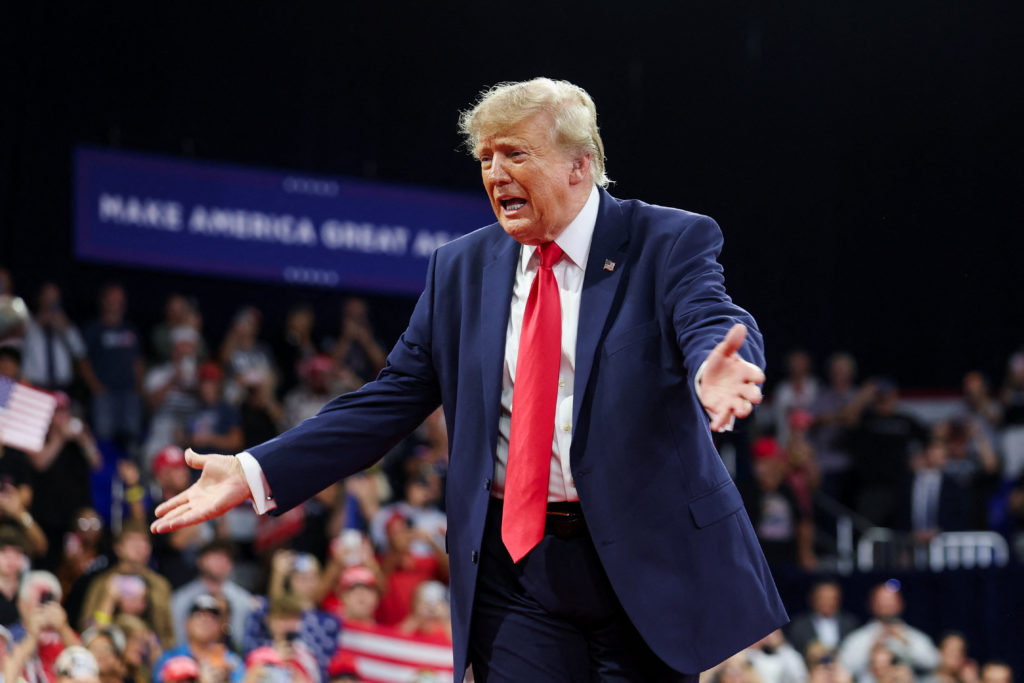
President Donald Trump reignited speculation about potential military involvement in Cuba on Friday, suggesting during a campaign rally in South Florida that American warships returning from the Middle East could make an unscheduled stop near the island. The remarks, delivered just days before midterm elections, marked a return to interventionist rhetoric that had been absent from public discourse for several months. Trump framed the potential naval presence not as an immediate invasion but as a strategic pause designed to leverage ongoing diplomatic efforts led by Secretary of State Marco Rubio.
The president’s comments emerged in response to a question from the crowd regarding the island nation. He described a scenario where ships passing Cuba would halt approximately fifty yards off the coast, raise their hands in a gesture of presence, and allow Rubio to finalize negotiations. This suggestion follows earlier statements from Trump indicating that Cuba might be the next target for U.S. intervention abroad, following the conclusion of military operations in Iran. Although the Iran conflict has not yet officially wound down, Trump has long predicted its end and linked it to future foreign policy moves.
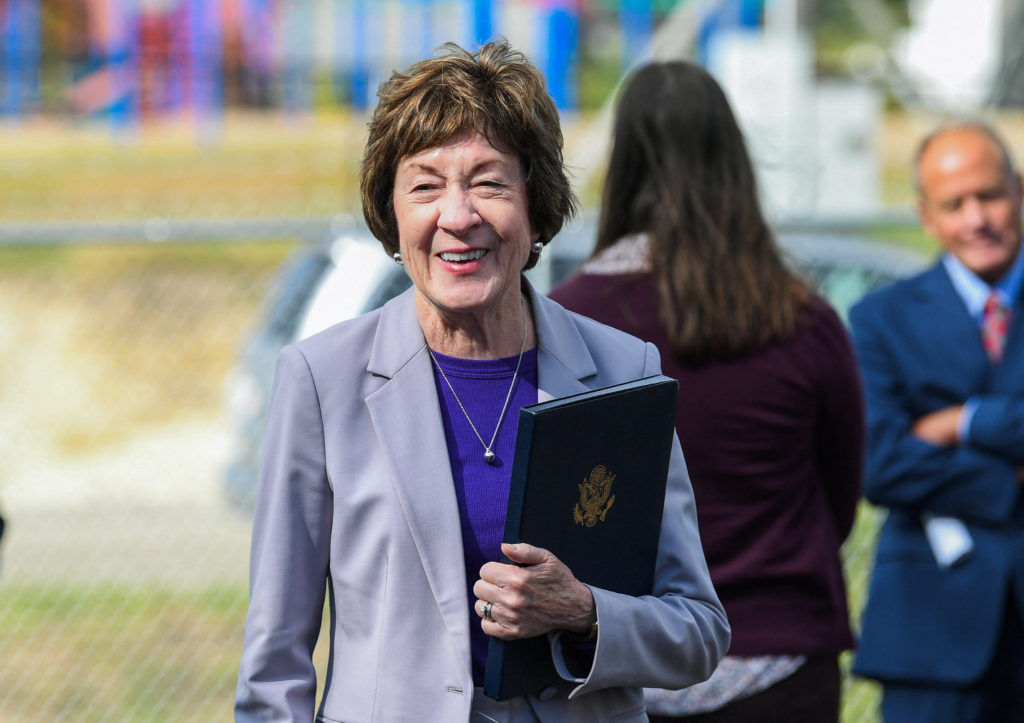
Secretary Rubio quickly amplified the president’s message through social media, posting shortly after the rally that the current moment presents a critical opportunity for those within Cuba who desire political change. In his post, Rubio urged these individuals to seize the chance by forming discrete partnerships with the Central Intelligence Agency. This call for covert cooperation contrasts with previous public statements from Rubio, who has emphasized the administration’s preference for peaceful resolutions while simultaneously expressing deep skepticism about achieving diplomatic breakthroughs with Havana’s current leadership.
The tension between diplomatic overtures and hardline threats characterizes the current U.S. approach to Cuba. While Rubio and other top aides have engaged in recent months with Cuban officials to explore improved relations, Washington has reportedly been unimpressed by these talks. Consequently, the administration has imposed additional sanctions on the Cuban government. Trump previously stated at the United Nations General Assembly that he would not permit Cuba to serve as a haven for foreign adversaries threatening American interests, highlighting Rubio’s role in deep negotiations aimed at securing a deal.
Despite the aggressive rhetoric, Trump has also indicated that military force may not be necessary. In remarks made days after his UN address, he expressed confidence that a diplomatic agreement would be reached, noting that Cuba is failing economically and therefore unlikely to require military intervention. This dual-track strategy combines the threat of force with the promise of negotiation, aiming to pressure Havana while keeping options open for a political settlement. The administration’s stance reflects a broader frustration with what it views as Cuba’s continued alignment with U.S. adversaries.
Cuba faces severe internal challenges that have intensified since 2020, including a profound economic and energy crisis. The island’s gross domestic product has contracted significantly, leaving its ten million residents to endure frequent blackouts, food shortages, and high inflation. These hardships have sparked waves of protests and driven hundreds of thousands of Cubans to migrate, with many seeking refuge in the United States. Rubio has characterized the Cuban government as governing a non-functional economy and clinging to a revolutionary ideology that he argues has been ineffective for two decades.
The diplomatic friction between Washington and Havana was evident during recent clashes at the United Nations, where the Trump administration worked to build opposition against an annual vote condemning the U.S. economic embargo. The administration’s criminal charges against former Cuban leader Raúl Castro added weight to its threats of intervention, signaling a willingness to use legal tools alongside diplomatic and military pressure. Rubio has argued that Cuba poses a persistent national security threat due to its ties with adversaries, justifying the administration’s hardline posture.
As midterm elections approach, voters have expressed concern about the domestic impact of U.S. foreign policy, particularly regarding the war in Iran and its effect on prices for goods ranging from gasoline to groceries. Trump’s revival of Cuba intervention rhetoric appears timed to resonate with these concerns, linking external threats to internal economic stability. The administration’s mixed signals—offering both diplomatic deals and covert action opportunities—reflect an attempt to manage complex geopolitical risks while appealing to a base skeptical of traditional diplomacy.
The situation remains fluid, with no concrete evidence of imminent military action or finalized diplomatic agreements. Rubio’s call for CIA partnerships suggests a shift toward supporting internal opposition rather than direct state-to-state negotiation. Meanwhile, Trump’s comments about naval stopovers serve as a symbolic gesture of pressure rather than a declared policy change. The coming weeks will likely reveal whether these rhetorical escalations translate into tangible shifts in U.S.-Cuba relations or remain part of the broader political narrative surrounding the midterm elections.
Observers note that the administration’s strategy relies heavily on the perception of Cuban weakness and internal dissent. By highlighting economic failure and encouraging covert cooperation, Washington aims to undermine the legitimacy of Havana’s leadership without committing to full-scale intervention. This approach carries significant risks, including potential backlash from regional allies and further destabilization in a country already grappling with severe humanitarian challenges. The outcome will depend on how effectively the administration can balance pressure with the possibility of a negotiated resolution.
Sources behind this briefing
Go to the original reporting
- PBS NewsHour↗WATCH: Trump at GOP rally in Florida revives idea of military intervention in Cuba after Iran