The short version
- Iowa farmers face doubled diesel costs and significant fertilizer price hikes due to ongoing conflict in Iran, squeezing profit margins.
- The Iowa Farmers Union has broken with tradition by endorsing Democratic congressional candidates, signaling a shift in rural political alignment.
- Senate candidates debate the economic impact of the war, with Republicans proposing energy plans and Democrats blaming administration policy for rising costs.
Iowa’s political landscape is shifting as record-high diesel prices exert pressure on the state’s agricultural sector during a critical midterm election cycle. For more than ten years, Republicans have held both the governorship and U.S. Senate seats in Iowa, but with incumbents retiring this year, both races have become highly competitive. The surge in fuel costs, driven largely by the ongoing war in Iran, has created an economic environment that could alter voting patterns among rural residents who have historically supported Republican policies.
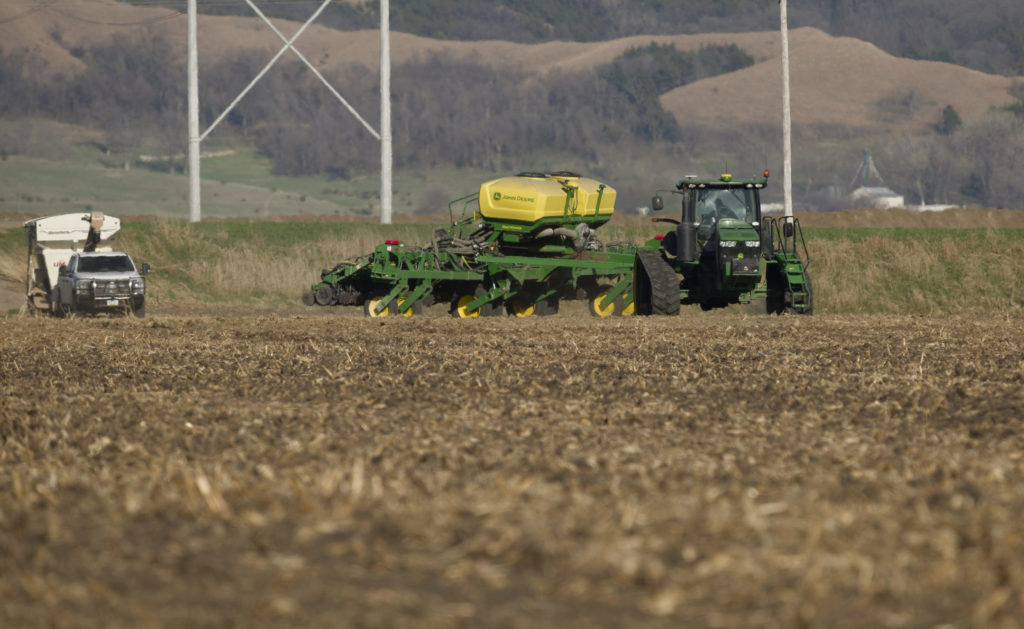
Agricultural producers are bearing the brunt of these market fluctuations. Over the past eight months, input costs for farmers have risen sharply, with diesel fuel prices doubling compared to levels seen in 2025. Aaron Lehman, president of the Iowa Farmers Union, noted that expenses for seed, chemicals, repairs, and labor have all increased. He reported spending an additional $1,000 per day to harvest and transport crops, a significant burden for operations already operating on tight profit margins.
The financial strain extends beyond fuel. Fertilizer costs for the current corn season are up 75 percent compared to the previous year, with prices continuing to climb as farmers prepare inputs for next year’s planting. Lehman attributed these spikes directly to the conflict in Iran, arguing that the war has disrupted supply chains and inflated prices across the board. This economic pressure is forcing many producers to reconsider their political allegiances, particularly as they face uncertainty about future profitability.
The issue of diesel prices dominated a recent debate between Iowa’s U.S. Senate candidates, highlighting the divergent approaches each party is taking to address rural concerns. Republican candidate Rep. Ashley Hinson emphasized the need to reduce energy and input costs for farmers, proposing a multi-point energy plan that prioritizes lowering diesel prices. She framed her strategy around protecting the bottom line of agricultural businesses, acknowledging the severity of the financial challenges facing producers.
Democratic candidate Josh Turek took a different approach, linking the high fuel costs directly to President Trump’s support for the war in Iran. Turek argued that Hinson had voted in favor of the conflict seven times, thereby contributing to the economic hardship experienced by Iowans. He called for immediate relief measures, suggesting that the administration’s foreign policy decisions were uniquely hurting Iowa’s agricultural community and necessitating a change in leadership.
In response to the growing crisis, the White House announced an $8 billion bailout package aimed at assisting farmers dealing with elevated diesel costs. However, it remains unclear whether this financial aid will be sufficient to offset the long-term economic damage or sway voter opinion. The bailout comes as rural Americans, many of whom have traditionally backed Trump’s policies, begin to question whether their interests are being served by the current administration.
The political implications extend beyond Iowa. In Kansas, another key Midwestern state, the U.S. Senate race is considered a toss-up, with incumbent Republican Roger Marshall facing a strong challenge from Pastor Adam Hamilton. If Hamilton wins, he would become the first Democrat to represent Kansas in nearly a century. Despite the economic impact on his own farm, wheat farmer Ron Suppes expressed continued support for the Trump administration’s war efforts, believing the conflict would end soon and that action was necessary.
Iowa’s agricultural sector, while representing only 3 percent of the state’s economy, sets the political and emotional tone for broader electoral outcomes. Low farm profits have contributed to lagging economic growth in Iowa compared to neighboring states and the national average over the past decade. The Iowa Farmers Union’s decision to endorse all Democratic congressional candidates marks a significant departure from tradition, reflecting the depth of frustration among producers.
As the election approaches, the conversation around diesel prices and war-related economic impacts is gaining traction among voters. Many residents are beginning to reconsider their support for Republican candidates, driven by the tangible effects of rising costs on their livelihoods. The coming weeks will reveal whether this economic discontent translates into a decisive shift in Iowa’s political landscape, potentially altering the balance of power in both state and federal races.
The situation underscores the complex interplay between foreign policy and domestic economics. While some farmers remain loyal to Republican candidates despite financial hardships, others are increasingly vocal about their dissatisfaction. The outcome of these midterms may depend on how effectively candidates can address the immediate concerns of rural voters while navigating the broader implications of ongoing international conflicts.
Sources behind this briefing
Go to the original reporting
- PBS NewsHour↗Surging diesel prices loom over Republicans in Iowa's midterm races