The short version
- Donald Trump publicly urged Senator John Fetterman to join the Republican Party, claiming he would perform better under that banner.
- Fetterman has previously denied interest in switching parties but has faced internal criticism for distancing himself from Democratic positions on key issues.
- The potential defection or retention of Fetterman could significantly impact the balance of power in the Senate during the upcoming midterm elections.
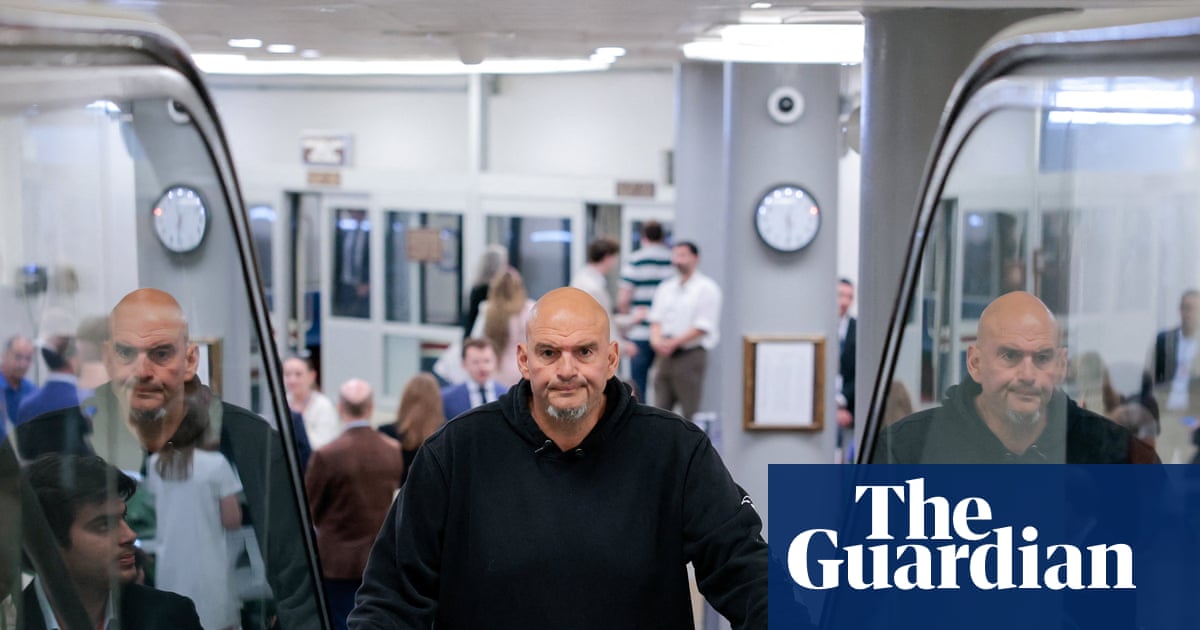
Donald Trump made an unusually direct appeal to Pennsylvania Senator John Fetterman on Saturday, encouraging the Democrat to switch his party affiliation and join the Republican ranks. Speaking to reporters at Joint Base Andrews after returning from a campaign event in Tennessee, the president stated that he would welcome such a move and asserted that Fetterman would be more successful as a Republican than as a Democrat. This public overture marks one of the most explicit attempts by the White House to recruit a sitting member of the opposing party ahead of the critical midterm elections.
The timing of these comments underscores the intense pressure facing Republicans, who risk losing their majority in the Senate this November. Control of the chamber hangs in the balance, with Democrats needing to gain four seats to reclaim power. While this goal has long seemed difficult, growing dissatisfaction with Trump and economic challenges stemming from the ongoing conflict in Iran have created new opportunities for Democratic candidates. In this volatile environment, every seat becomes a potential battleground, making Fetterman’s political alignment a matter of national significance.
Fetterman has been a prominent figure within the Democratic Party since his election to the Senate in 2022, known for his populist appeal and working-class background. However, his tenure in Washington has been marked by increasing friction with party leadership. He has broken ranks on several high-profile issues, including immigration policy and support for Israel, actions that have fueled speculation about his long-term political loyalty. These divergences have left him in a precarious position, balancing his base’s expectations against his own evolving policy views.
Despite the rumors surrounding his potential defection, Fetterman has consistently rejected the idea of becoming a Republican. In an op-ed published in May, he wrote that he would make a poor member of the GOP because he continues to vote overwhelmingly with Democrats. Nevertheless, his recent actions have complicated this stance. In September, he recorded a video message for the Republican midterm convention praising fellow Pennsylvania Senator Dave McCormick and criticizing what he described as extremist elements within his own party. This gesture suggested a willingness to engage with Republican counterparts in ways that unsettled some Democratic allies.
Further complicating matters was an incident during a fireside chat at the Texas Tribune festival in Austin, where Fetterman appeared to misidentify himself as a lifelong Republican. Whether this was a slip of the tongue or a deliberate signal remains unclear, but it added to the narrative of a senator drifting away from his party’s core identity. Such ambiguities have made it increasingly difficult for him to secure the Democratic nomination for another term, as party officials and voters alike scrutinize his commitment to progressive values.
Trump’s intervention raises the stakes for Fetterman’s future in Washington. By publicly endorsing a party switch, the president has placed additional pressure on the senator to clarify his intentions. If Fetterman were to leave the Democratic Party, it could weaken their chances of regaining control of the Senate. Conversely, if he remains a Democrat but continues to distance himself from party leadership, he may find himself isolated within his own caucus. The outcome of this dynamic will likely influence not only Fetterman’s career but also the broader political landscape.
Historical precedents suggest that individual defections can have outsized effects on legislative power. For example, Vermont Senator Jim Jeffords’ switch from Republican to Independent in 2001 shifted control of the Senate to Democrats. Similarly, Pennsylvania Senator Arlen Specter’s decision to leave the GOP in 2009 helped Democrats achieve a supermajority. While Fetterman’s situation differs from these cases, the potential impact of his alignment on the balance of power cannot be ignored.
As the midterm elections approach, all eyes will remain on Fetterman and other pivotal senators whose votes could determine the fate of Congress. The interplay between personal ambition, ideological shifts, and external pressures creates a complex web of possibilities. Whether Fetterman stays loyal to his party, switches sides, or finds a middle ground, his actions will reverberate through Washington and beyond.
For now, Fetterman’s office has not responded to requests for comment regarding Trump’s latest remarks. The silence leaves room for interpretation, with observers waiting to see how the senator navigates this delicate moment. As the political landscape continues to shift, the coming weeks will reveal whether Fetterman’s unique position allows him to maintain independence or forces him into a definitive choice.
The broader implications of this saga extend beyond Pennsylvania. It reflects the growing polarization within American politics and the challenges faced by politicians who attempt to bridge ideological divides. As voters head to the polls, the question of who controls Congress will shape policy outcomes for years to come, making every vote—and every potential defection—all the more significant.
Sources behind this briefing
Go to the original reporting
- The Guardian US Politics↗Trump urges John Fetterman to switch parties: ‘I’d love to see him as a Republican’