The short version
- Fifty-two maternity wards have closed since mid-2025, with eight more announcing impending shutdowns due to anticipated Medicaid funding reductions.
- Experts warn that new work requirements and eligibility checks may inadvertently strip coverage from pregnant women not enrolled in specific pregnancy pathways.
- The disruption of federal surveillance systems limits the ability to track maternal health trends during a period of rising mortality rates.
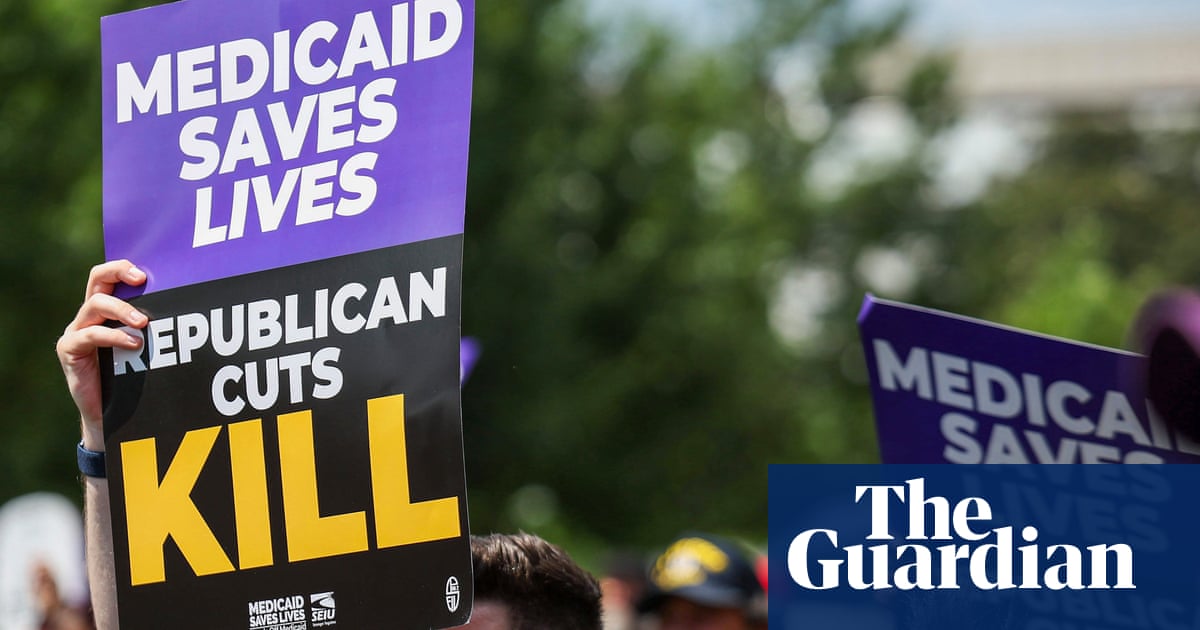
A significant contraction in access to obstetric care is underway across the United States, driven by impending changes to federal Medicaid financing. Analysis indicates that fifty-two maternity wards have permanently ceased operations since July 2025, following the announcement of legislative spending cuts. An additional eight facilities have announced plans to close their labor and delivery units. These closures are occurring ahead of the full implementation of new federal policies scheduled for next year, suggesting that hospitals are reacting proactively to anticipated financial pressures.
The legislative changes, often referred to as part of a broader spending reduction package, introduce stricter work requirements for many adult Medicaid beneficiaries and increase the frequency of eligibility verification. Furthermore, the reforms reduce the share of federal funding available to states for administering the program. Hospital administrators in Virginia and Georgia have explicitly cited these upcoming policy shifts as primary reasons for shutting down their maternity services. The Centra Southside Community hospital in Virginia and St Mary’s Sacred Heart hospital in rural northeast Georgia are among those that have already closed, pointing to the unsustainable cost of operating labor units under the new financial constraints.
The impact is expected to be most severe in rural communities, where hospitals often operate on thin margins. Advocacy groups have identified thirty-one rural hospitals with at-risk labor and delivery services. If these facilities close, ninety-six counties would lose their only local option for childbirth. This geographic concentration of closures exacerbates existing disparities in healthcare access, forcing residents to travel longer distances for essential prenatal and postnatal care. The loss of specialized providers near home increases risks for pregnancies requiring complex medical attention.
Medicaid plays a critical role in financing maternal health, covering approximately forty percent of all births in the country. Consequently, reductions in federal support place immediate strain on state budgets and hospital balance sheets. Experts note that maternity wards are among the most expensive units to operate within a hospital system. When funding streams are disrupted or reduced, these departments often face closure first due to their high overhead costs. The financial pressure is forcing healthcare providers to make difficult decisions about which services they can sustain.
A significant concern regarding the new policy framework involves the potential for unintended coverage losses among pregnant women. While the legislation includes exemptions for pregnancy-related care, administrative complexities may prevent these protections from functioning as intended. Research suggests that many women are not enrolled in specific Medicaid pathways designated for pregnancy. If a state is unaware of a patient’s pregnancy status, the individual may be subject to standard work requirements and eligibility checks, potentially resulting in a loss of coverage. This gap between legislative intent and administrative reality poses a direct threat to continuous care.
The timing of these closures coincides with a broader crisis in maternal health outcomes. The United States currently records one of the highest maternal mortality rates among high-income nations, with seventeen point nine deaths per one hundred thousand live births according to recent Centers for Disease Control and Prevention data. Experts argue that reducing access to care and destabilizing funding sources will likely worsen these statistics. The combination of fewer delivery sites and potential gaps in insurance coverage creates a precarious environment for low-income parents and their infants.
Compounding the challenge is a disruption in federal data collection efforts. In early 2025, the Trump administration placed the entire team responsible for the Pregnancy Risk Assessment Monitoring System on administrative leave. This system has served as a vital source of population-based information on maternal and infant health for over four decades. The suspension of this surveillance capability means that researchers and policymakers lack real-time data to assess the impact of current policy changes. Without this historical continuity, it becomes difficult to identify emerging trends or measure the effectiveness of interventions.
Public health officials and academic researchers express deep concern about the long-term implications of these combined factors. The loss of reliable data streams hinders the ability to study recent shifts in maternal health outcomes. Simultaneously, the reduction in safety net funding threatens to widen existing inequities in healthcare access. As the new fiscal year approaches, the full extent of the closures and coverage disruptions will become clearer. However, early indicators suggest a significant deterioration in the infrastructure supporting maternal care across the nation.
The situation highlights the fragility of the current healthcare financing model for obstetric services. Hospitals are already operating under financial stress, and the prospect of reduced federal support is accelerating decisions to close units that serve vulnerable populations. The interplay between legislative mandates, administrative hurdles, and economic realities creates a complex landscape for providers and patients alike. As more facilities announce closures, the pressure on remaining hospitals will likely intensify, further straining resources in communities already facing healthcare deserts.
Sources behind this briefing
Go to the original reporting
- The Guardian US Politics↗US maternity wards face wave of closures as Medicaid cuts kick in