The short version
- Donald Trump called for new leadership in Ukraine after announcing a deal to import Russian diesel, arguing that President Volodymyr Zelenskyy has failed to secure peace.
- Zelenskyy condemned the agreement as a gift to Vladimir Putin, warning it provides Moscow with revenue to prolong the conflict and fund military operations.
- European leaders expressed regret over the U.S. decision, with the EU planning to implement its largest sanctions package against Russia since the war began.
U.S. President Donald Trump has publicly suggested that Ukraine requires a new leader, marking a significant escalation in diplomatic tensions between Washington and Kyiv. The comments came shortly after Trump announced an agreement with Russian President Vladimir Putin to suspend sanctions on Russian diesel exports. This deal allows for the import of large quantities of fuel into the United States, a move Trump framed as necessary to lower domestic energy costs ahead of the upcoming midterm elections.
Trump criticized Ukrainian President Volodymyr Zelenskyy for continuing to authorize attacks on Russian oil refineries, which he argued exacerbates global fuel shortages. Speaking outside the White House, Trump stated that Zelenskyy could have made many deals but has chosen not to do so. He urged Ukraine to replace its current leadership with someone capable of negotiating an end to the conflict. This stance aligns with previous remarks Trump made last December, when he suggested Ukrainian voters should have the opportunity to replace Zelenskyy, despite martial law suspending elections since 2022.
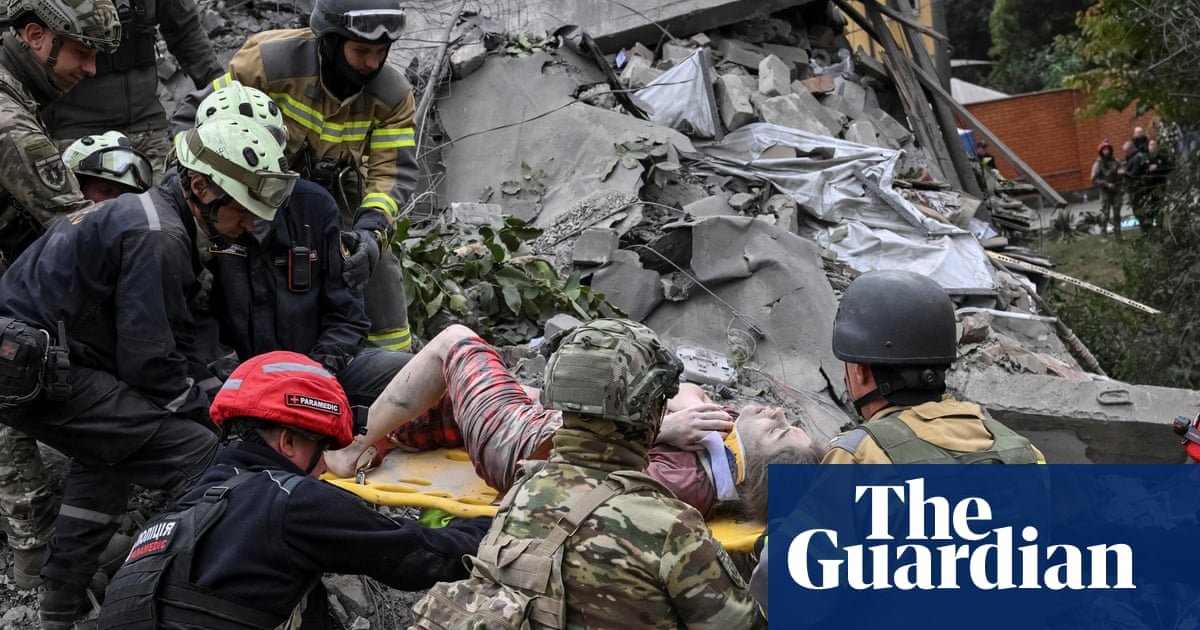
Zelenskyy reacted with outrage to the announcement, describing the diesel deal as a gift to Putin that would provide Moscow with vital funding for its war machine. He warned that any easing of sanctions signals to Russia that it can continue fighting and targeting civilian infrastructure. Hours after the deal was revealed, Russian forces launched deadly strikes on southeastern Ukraine, including residential buildings in Zaporizhzhia. Ukrainian officials reported that these attacks killed at least 20 people, including three children, and caused widespread power outages in Kyiv.
The timing of the announcement appeared to catch Ukrainian negotiators off guard, as they were engaged in peace talks in Miami at the time. Reports indicate that Trump’s envoys, including Steve Witkoff and Jared Kushner, raised the possibility of cutting off U.S. intelligence sharing if Kyiv did not halt its strikes on Russian refineries. Zelenskyy has consistently rejected requests to stop bombing Russian energy infrastructure unless Moscow ceases its attacks on Ukraine’s power grid. He emphasized that Russia must feel the consequences of its actions and stated that Ukraine is ready to take de-escalatory steps only if Russia reciprocates.
European allies have expressed deep concern over the U.S. decision, viewing it as a disruption to four years of coordinated financial pressure on Moscow. Kaja Kallas, the EU’s top diplomat, stated that the deal provides Russia with additional revenues to wage war and affirmed that Europe will not ease its own sanctions. She announced that EU foreign ministers intend to approve the largest set of sanctions listings targeting Russia’s war machine since the start of the invasion. This includes plans to add 1,600 new individuals and entities to the blacklist.
Other European leaders echoed these sentiments. Swedish Prime Minister Ulf Kristersson expressed regret over the agreement, noting that energy revenues are a critical source of funding for Russia’s aggression. German officials reiterated their commitment to existing sanctions and support for Ukraine, while UK Prime Minister Andy Burnham offered complete solidarity to Zelenskyy. Burnham and Zelenskyy agreed to meet in person soon to discuss maintaining pressure on Russia and securing an immediate energy ceasefire.
The global context of the deal involves severe fuel supply constraints linked to the U.S.-Israel conflict with Iran, which has effectively closed the Strait of Hormuz. This closure has limited the flow of oil products, contributing to skyrocketing diesel prices in the United States. The average price of diesel has risen significantly, creating political pressure on Trump to address inflation and consumer costs. Under the new agreement, Russia will release an initial 300,000 tonnes of diesel, followed by additional shipments totaling millions of tonnes over the coming months.
Russian officials have welcomed the deal, with Putin’s envoy Kirill Dmitriev describing Trump’s intervention as historic and necessary for peace. A Kremlin readout of the call between Trump and Putin described it as substantive and friendly, noting that neither leader wanted to end the conversation first. In contrast, Ukrainian attacks in the Luhansk region continued, resulting in civilian casualties according to Russian-installed authorities. The diverging responses highlight the growing rift between U.S. policy priorities and the strategic interests of Ukraine and its European partners.
Sources behind this briefing
Go to the original reporting
- The Guardian World↗Trump says Ukraine needs a new leader after diesel deal with Russia
- BBC News↗'Time for Ukraine to get new president,' says Trump after Zelensky condemns diesel deal
- BBC World↗Watch: 'Time for Ukraine to get a new president', says Trump