The short version
- Donald Trump issued a public endorsement of Benjamin Netanyahu for reelection just days before Israel’s national vote, reversing months of silence.
- The support highlights the complex relationship between the two leaders, who have clashed over military strategy and ceasefire terms during recent conflicts.
- Analysts remain uncertain whether this late intervention will significantly shift voter sentiment in a tightly contested race marked by deep public division.
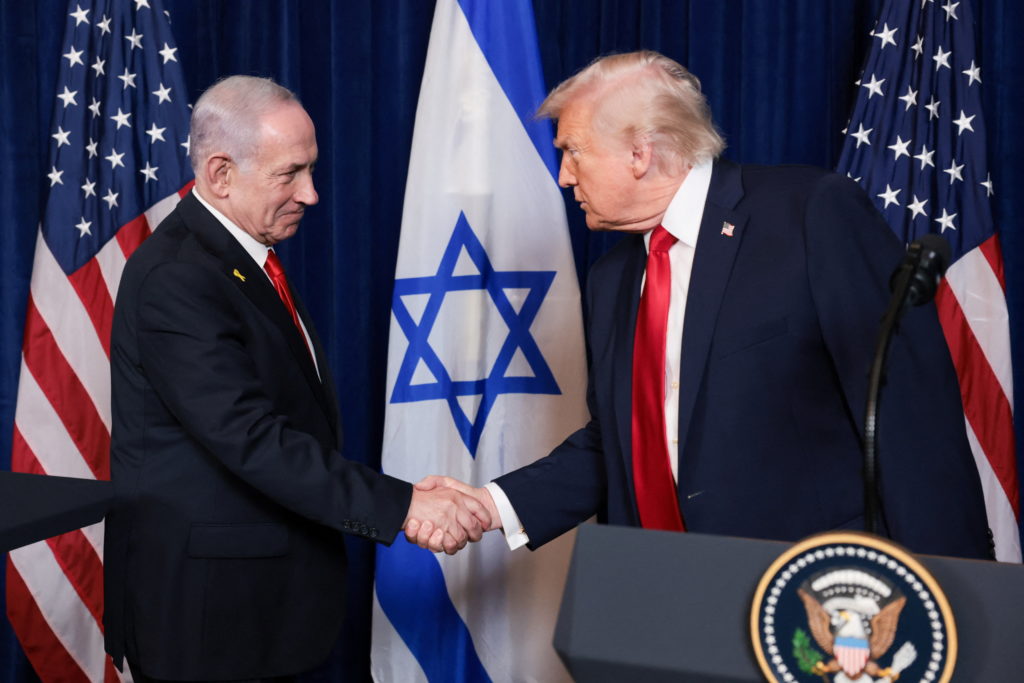
President Donald Trump has formally endorsed Israeli Prime Minister Benjamin Netanyahu for reelection, delivering a significant political boost to the embattled leader less than a week before voters head to the polls. The endorsement, posted on social media from West Palm Beach, Florida, marks a notable shift in tone after months of deliberate distance and muted commentary from the American president as the election approached. For Netanyahu, who has long leveraged his close ties with Trump as a central pillar of his political appeal, this validation arrives at a critical juncture in a campaign defined by deep societal fractures and questions about national security leadership.
In his statement, Trump characterized Netanyahu as a formidable warrior and an essential partner in the ongoing struggle against Iran. He praised the Israeli leader’s strength and brilliance despite facing substantial opposition, including criticism from within Israel itself. The former U.S. president also issued a stark warning regarding future regional stability, suggesting that if Netanyahu were to lose the election, the United States might be forced to act unilaterally against Iranian threats—a task Trump indicated he was not inclined to undertake alone. This conditional support underscores the high stakes both leaders attach to the outcome of the Israeli vote.
Netanyahu responded swiftly to the endorsement, expressing gratitude for Trump’s continued backing and affirming their shared commitment to completing their strategic objectives. His Likud Party amplified the message by releasing a short video montage featuring highlights of their past interactions and Trump’s recent praise. This coordinated effort aims to solidify support among Netanyahu’s base, particularly those who view his relationship with Washington as a guarantee of Israel’s security and diplomatic standing on the global stage.
However, the path to this endorsement has been fraught with tension. Over the course of nearly eight months of conflict involving Iran, Hezbollah, and Hamas, Trump and Netanyahu have experienced significant disagreements over military tactics and diplomatic approaches. Trump publicly criticized Israel’s decision to target key Iranian gas fields early in the war and at one point described Netanyahu as acting irrationally. He also expressed frustration that ongoing hostilities in Lebanon were hindering broader peace negotiations with Iran, signaling a divergence in priorities between the two allies.
The friction extended beyond military strategy to include disputes over ceasefire arrangements in Gaza. In August, Netanyahu rejected a proposal from Trump’s administration aimed at advancing a stalled truce, specifically pushing back against demands for Israeli withdrawal from controlled territories until Hamas was fully disarmed. These disagreements contributed to Trump’s prolonged silence on the election, during which he repeatedly declined to comment on whether he would support Netanyahu, even telling Time magazine that he was no longer involved in foreign politics despite actively campaigning for domestic candidates.
Trump’s history of intervening in international elections adds context to this late move. During his second term, he sought to influence outcomes abroad by endorsing leaders such as Hungary’s Viktor Orbán and Japan’s Sanae Takaichi, often claiming credit when those figures succeeded. His previous support for Netanyahu included a letter to Israeli President Isaac Herzog urging a pardon for corruption charges against the prime minister. This pattern suggests that Trump views his endorsements as powerful tools for shaping geopolitical alliances, regardless of the timing or prior disagreements.
The impact of this endorsement remains uncertain in an election landscape marked by profound division. While Trump retains popularity among many Israelis, significant portions of the electorate have expressed disappointment with the results of recent military campaigns and the perceived failure of joint U.S.-Israeli efforts to achieve decisive outcomes against Iran. Leading commentators note that the inconclusive nature of these conflicts has fueled skepticism about Netanyahu’s ability to deliver lasting security, potentially limiting the effectiveness of Trump’s late intervention.
As Israel prepares for its first national election since the October 7 attacks by Hamas in 2023, the race is expected to be tight. Voters are weighing the scars of recent violence against concerns over governance and future stability. The endorsement may energize Netanyahu’s supporters but is unlikely to resolve the deep-seated doubts held by those who question his leadership during a period of unprecedented regional turmoil. The coming days will reveal whether this diplomatic gesture can sway undecided voters or if it will simply reinforce existing polarizations.
Looking ahead, the outcome of this election will have far-reaching implications for U.S.-Israel relations and broader Middle East policy. A Netanyahu victory could signal a continuation of current strategic alignments, albeit with ongoing friction over specific tactics. Conversely, a change in leadership might prompt a reassessment of bilateral cooperation, particularly regarding Iran and Gaza. Trump’s conditional warning about unilateral action suggests that the United States is closely monitoring these developments, ready to adjust its approach based on who holds power in Jerusalem.
Ultimately, this endorsement reflects the complex interplay between personal alliances and national interests in international diplomacy. While Trump and Netanyahu have been close allies, their recent disagreements highlight the challenges of coordinating strategy across borders during times of crisis. As the election nears, both leaders are navigating a delicate balance between asserting their own agendas and maintaining the partnership that has defined their political careers for years.
Sources behind this briefing
Go to the original reporting
- PBS NewsHour↗Trump endorses embattled Israeli Prime Minister Benjamin Netanyahu for reelection