The short version
- Donald Trump announced an immediate energy ceasefire between Russia and Ukraine, claiming mutual agreement despite Ukrainian President Volodymyr Zelenskyy stating he was unaware of any such deal.
- Tensions escalated after the US lifted sanctions on Russian diesel exports, a move Kyiv criticized as financially empowering Moscow while demanding Ukraine halt its own strikes on Russian oil infrastructure.
- Ukrainian officials warn that unilateral concessions without reciprocal guarantees from Russia or punitive measures against Moscow could undermine their defense capabilities and strategic position.
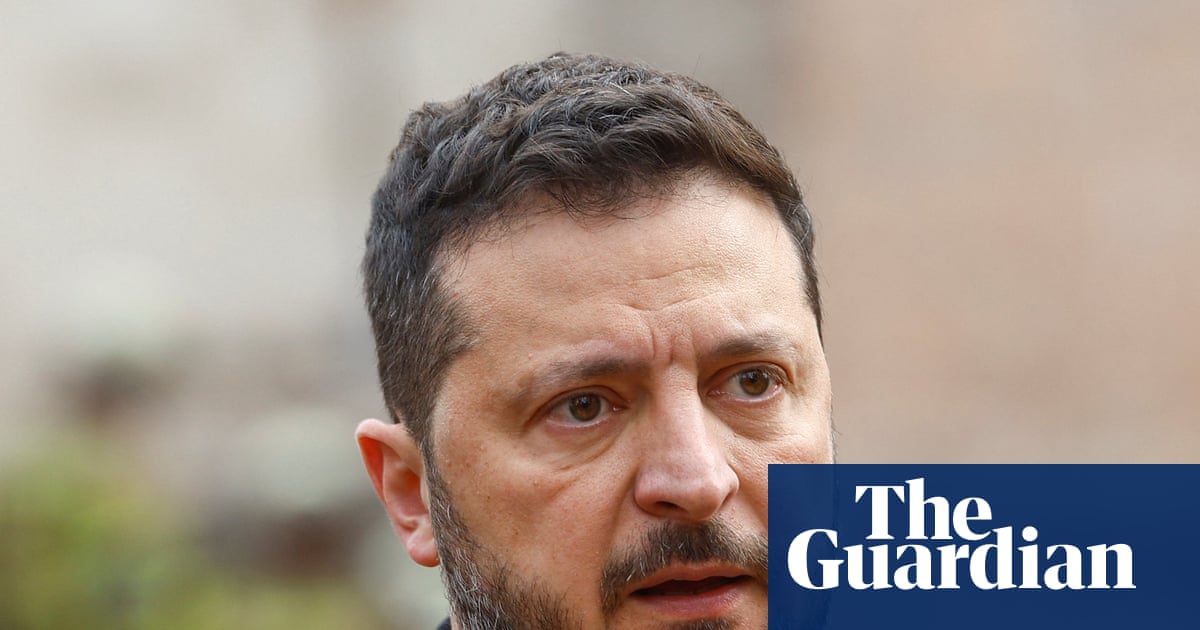
A significant diplomatic rift has emerged between Washington and Kyiv following President Donald Trump’s announcement of an immediate energy ceasefire in the war between Ukraine and Russia. The US president declared on social media that both parties had agreed to stop long-range attacks, urging neither side to break the truce. However, Ukrainian President Volodymyr Zelenskyy responded with surprise, stating that the deal was news to him. This discrepancy highlights a growing disconnect in communication and strategy between the two allies, raising questions about the validity and enforcement of the proclaimed agreement.
The controversy stems from a series of escalating demands and counter-demands over the past week. Trump previously called for Kyiv to cease bombing Russian oil refineries, arguing that such strikes were prolonging the conflict. Zelenskyy firmly rejected this unilateral request, insisting that any cessation of Ukrainian attacks must be reciprocal. He emphasized that Moscow must first halt its own brutal campaign against Ukraine’s energy infrastructure. Without such reciprocity and real guarantees from US allies, including punitive measures against Russia, Kyiv maintains it cannot unilaterally disarm its most effective offensive capabilities.
Adding to the friction, the Trump administration recently lifted sanctions on Russian diesel exports. The president argued this move would help lower global and domestic fuel prices ahead of the upcoming midterm elections. Zelenskyy condemned the decision as weak, warning that it would generate billions in additional revenue for Vladimir Putin. This financial boost could enable the Kremlin to intensify its military operations. The Ukrainian leader viewed the sanctions relief as a direct contradiction to US support for Ukraine’s sovereignty and security.
The public feud has reached its most severe point since last year’s tense Oval Office meeting. Trump accused Zelenskyy of refusing to make a deal, while the Ukrainian president placed full blame for the war on Russia. Zelenskyy noted that while stopping strikes on energy infrastructure was possible, Putin had shown no willingness to reciprocate. He expressed readiness to accept a ceasefire if negotiated directly with Putin and backed by substantial guarantees. However, he stressed that any agreement must include a total halt to hostilities for at least sixty days.
Reports suggest the US has offered lucrative economic incentives to the Kremlin in exchange for a truce. These proposals reportedly include releasing billions in frozen Russian sovereign assets and revisiting plans to sell parts of Russia’s energy company, Lukoil. Such deals would benefit Middle Eastern investors, some of whom have business ties to US negotiators. Ukrainian officials view these maneuvers with deep suspicion, fearing they prioritize economic interests over geopolitical stability and the security of a sovereign nation.
Despite the announced ceasefire, Russian attacks on Ukraine continue unabated. Recent strikes killed dozens of civilians, including children, and damaged critical energy sites. Ukrainian officials point out that the White House is demanding Kyiv give up its leverage without securing corresponding concessions from Moscow. The relentless bombing campaign by Russia underscores the urgency of reciprocal actions. Zelenskyy highlighted that thousands of aerial bombs and jet-powered drones are still being used against Ukrainian cities.
Domestically, the pressure on Zelenskyy has had an unexpected effect. Oleksandr Merezhko, head of Ukraine’s foreign affairs committee, stated that Trump’s bullying tactics have paradoxically strengthened the president’s position at home. This comes after recent corruption scandals had weakened his standing. Merezhko accused Trump of siding with Putin, suggesting both leaders wish to pressure Ukraine into capitulation. He warned that the situation resembles a new Molotov-Ribbentrop pact, dividing spheres of influence among strongmen.
Ukraine remains committed to targeting Russian oil refineries, arguing they fund the war machine. Officials acknowledge that cutting off US intelligence sharing would blind their air defense systems, a threat posed by the Trump administration. Nevertheless, Kyiv insists on maintaining its offensive capabilities until Russia ceases its aggression. The path forward remains uncertain, with both sides entrenched in their positions and the risk of further escalation high.
The international community watches closely as this diplomatic standoff unfolds. The lack of clear communication and conflicting narratives complicate efforts to achieve a lasting peace. Until reciprocal guarantees are established and enforced, the likelihood of a genuine ceasefire remains low. The coming days will be critical in determining whether dialogue can replace discord and whether the proclaimed truce holds any substance.
Sources behind this briefing
Go to the original reporting
- The Guardian World↗Trump announces partial ceasefire in Ukraine war as Zelenskyy says deal is ‘news to me’