The short version
- Democratic Senate candidate Abdul El-Sayed asserts that winning by large margins is essential to prevent post-election challenges.
- Polling data indicates Democrats are positioned to gain control of both the House and potentially the Senate in the upcoming November midterms.
- Critics point to a sustained pattern of election integrity doubts from President Trump and Republican figures, including El-Sayed's own opponent.
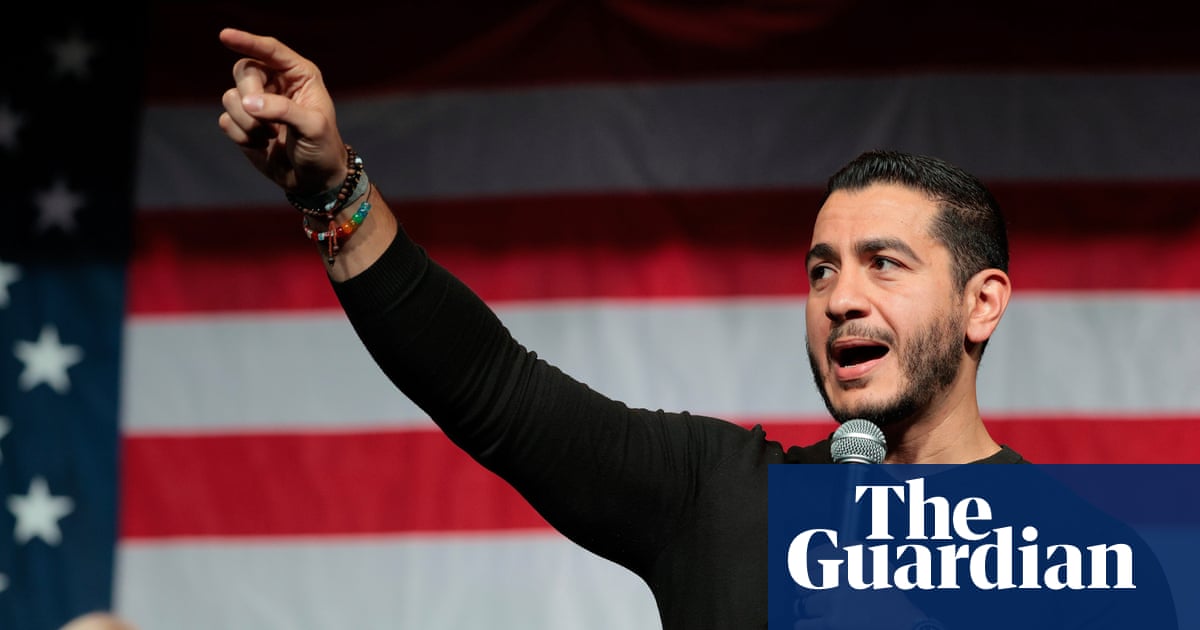
Democratic Senate candidate Abdul El-Sayed of Michigan has issued a stark warning regarding the upcoming federal midterm elections, arguing that his party must secure victories by substantial margins to effectively neutralize attempts to undermine the results. Speaking on NBC’s Meet the Press, El-Sayed emphasized that the strategy of achieving overwhelming turnout is not merely about gaining seats but about creating a political reality that is difficult to contest. His comments reflect a growing concern among Democratic strategists that President Donald Trump and his Republican allies are preparing to challenge the legitimacy of the November vote, echoing tactics used in previous election cycles.
The urgency of El-Sayed’s message stems from a documented pattern of skepticism toward electoral outcomes under the current administration. Reports indicate that Trump has questioned the integrity of elections on hundreds of days during his second term, which began in early 2025. This persistent doubt includes unverified claims regarding foreign interference and actions such as dismissing members of an independent federal election commission. When pressed by a conservative broadcaster about the possibility of declaring a national security emergency related to the midterms, Trump offered a noncommittal response that alarmed some observers, suggesting that unusual measures could not be ruled out.
El-Sayed’s call for massive turnout aligns with a broader Democratic strategy often described as making an election too significant to manipulate. Former Vice President Kamala Harris, who lost the 2024 presidential race to Trump, recently utilized similar language to advocate for high voter participation. The underlying premise is that a decisive victory reduces the political space for denialist narratives to take root. El-Sayed explicitly linked this approach to Trump’s past behavior, noting that the former president previously denied the outcome of the 2020 election despite lacking evidence of fraud. By framing the midterms as a test of democratic resilience, El-Sayed aims to mobilize voters who may be concerned about institutional stability.
Current polling data suggests that Democrats are well-positioned to capitalize on this momentum. The Cook Political Report recently revised its outlook, stating that a Senate majority is within reach for the Democratic Party. Surveys conducted by The New York Times and Siena University show Democratic candidates leading in several states that traditionally lean Republican, including Alaska, Ohio, and Texas. These gains would represent a significant shift in the political landscape, potentially allowing Democrats to reclaim control of both chambers of Congress. In Michigan, El-Sayed holds a five-point lead over his Republican opponent, Mike Rogers, indicating strong support for his campaign message.
The personal stakes for El-Sayed are heightened by the specific rhetoric of his opponent. Mike Rogers, who previously lost a Senate race to Democrat Elissa Slotkin in 2024, has since claimed that the election was stolen from him. Rogers has alleged that fraudulent ballots transported in a single van in Detroit altered the outcome, despite having initially conceded the race. El-Sayed highlighted this contradiction during his interview, pointing out the irony of running against a candidate who refuses to accept defeat when he himself is trailing in the polls. This dynamic underscores the broader theme of election denialism permeating the Republican primary and general election discourse.
Trump’s July primetime speech further illustrated the administration’s willingness to introduce unverified claims into the public sphere. In that address, he suggested Chinese interference in the electoral process without providing concrete evidence. These assertions have contributed to an environment where election integrity is increasingly politicized. The firing of independent commission members adds to the perception that institutional checks on executive power are being weakened. For Democrats, this context reinforces the argument that procedural safeguards alone may not be sufficient to protect the democratic process if political leaders actively seek to delegitimize results.
The potential for a national security emergency declaration remains a point of speculation and concern. While Trump did not explicitly confirm such a plan, his evasive response to direct questioning left room for interpretation. Legal experts and election officials have expressed alarm at the prospect of using emergency powers to interfere with electoral administration. Such a move would represent an unprecedented escalation in the conflict over election integrity. Democrats argue that only a clear and decisive mandate from voters can deter such extreme measures, as it would make any attempt to overturn results politically costly and legally untenable.
As the November elections approach, the focus remains on voter turnout and the clarity of the mandate. El-Sayed’s message is part of a coordinated effort to frame the midterms as a referendum on democratic norms rather than just policy preferences. The success of this strategy depends on whether voters perceive election denialism as a credible threat. Polling indicates that many Americans are concerned about the stability of democratic institutions, which may drive higher participation. If Democrats achieve the margins El-Sayed envisions, it could set a precedent for how future elections are contested and accepted.
The coming weeks will likely see intensified debate over election security and transparency. Both parties are expected to highlight their respective records on protecting the voting process. For Republicans, the challenge lies in balancing support for Trump’s skepticism with the need to maintain credibility among moderate voters. For Democrats, the task is to sustain enthusiasm and ensure that high turnout translates into tangible gains. The outcome of these midterms will have lasting implications for the balance of power in Washington and the future of American electoral politics.
Ultimately, El-Sayed’s warning serves as a reminder of the fragile state of democratic consensus in the United States. The reliance on massive numbers to fend off denialism suggests that institutional trust has eroded to a point where procedural correctness is no longer enough. Voters are being asked to provide not just a preference but a shield against political instability. Whether this strategy succeeds will depend on the ability of Democrats to unify their base and persuade independents that the integrity of the election is at stake.
Sources behind this briefing
Go to the original reporting
- The Guardian World↗Abdul El-Sayed: Democrats must ‘win by massive numbers’ to fend off Trump election denial