The short version
- President Trump publicly criticized the Nobel Peace Prize committee for not awarding him the honor in 2026.
- The remarks coincided with ongoing military operations against Iran and threats regarding the region's future.
- Trump claimed he prevented Iranian nuclear development, contradicting prior intelligence assessments.
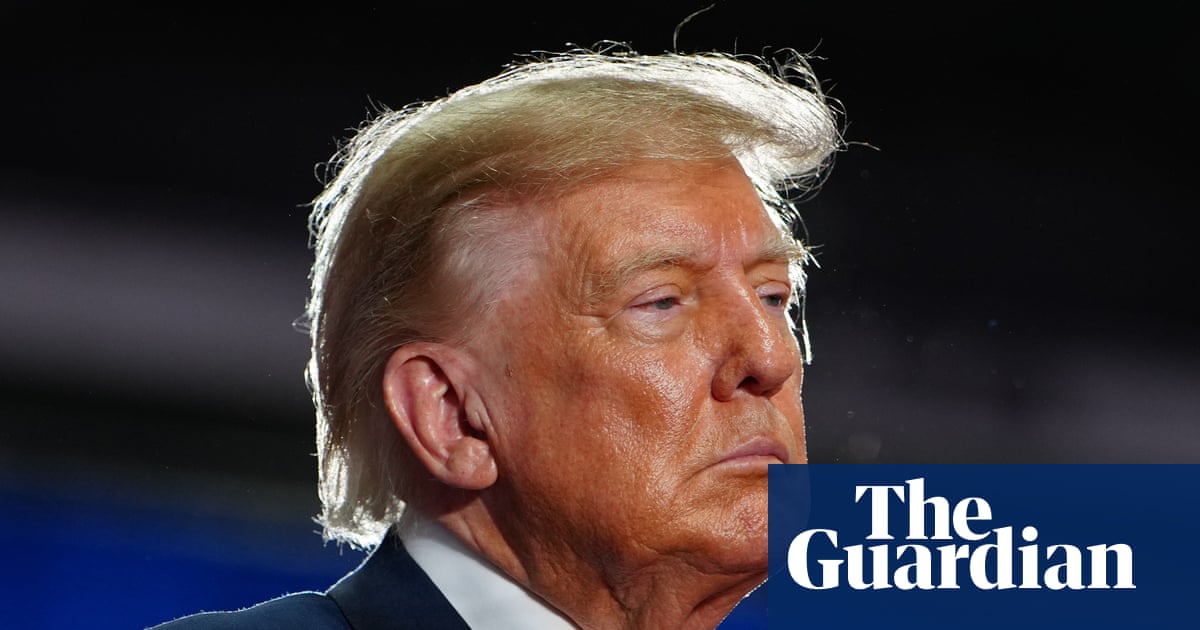
President Donald Trump used a campaign event in Syracuse, New York, to voice strong dissatisfaction with the 2026 Nobel Peace Prize selection process. During a rally intended to support other Republican candidates, the president shifted focus to his grievances regarding the Norwegian committee’s decision. He characterized the omission as an indelible stain on Norway and described the individuals responsible for the choice as making a disgraceful and embarrassing determination.
Trump argued that the United States, under his leadership, deserved the recognition. He asserted that the prize had been permanently discredited by what he termed radical ideologues who oppose democracy and civilization. The president issued a direct warning to Norway, stating that the country would not be forgotten for withholding the award. This public confrontation highlights a growing tension between the administration and international institutions.
The timing of these comments is significant given the current geopolitical landscape. Trump noted that 2026 was a year in which he initiated military conflict with Iran. He presented a list of conflicts he claims to have resolved, although some of these situations were not active wars or remain unsettled. He added that he intended to quickly conclude two additional major conflicts involving Iran and the war between Russia and Ukraine.
Regarding Iran specifically, Trump made stark predictions about the outcome of the ongoing hostilities. He suggested that the resolution would be swift and absolute, implying that Iran would either capitulate completely or cease to exist as a state. These remarks underscore the high stakes involved in the current military engagement and the administration’s aggressive posture toward Tehran.
Trump also defended his record on nuclear non-proliferation. He claimed credit for stopping Iran from acquiring nuclear weapons, arguing that this action prevented catastrophic explosions across the Middle East, Europe, and potentially the United States. He asserted that he had saved more lives than any other historical figure through these efforts. This narrative serves as a central pillar of his justification for receiving the peace prize.
However, this claim conflicts with established intelligence records. US intelligence agencies reported to Congress in 2025 that Iran had actually suspended its pursuit of nuclear weapons back in 2003. This discrepancy raises questions about the accuracy of the president’s assertions regarding the timeline and necessity of his interventions. The contrast between official government assessments and presidential rhetoric remains a point of contention.
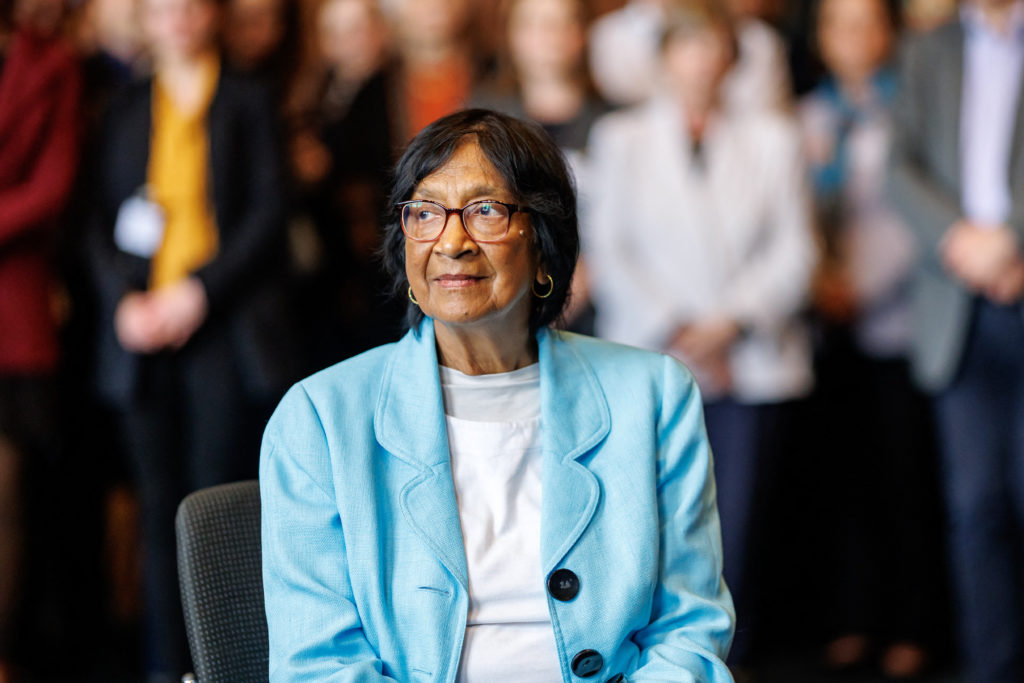
The president expressed frustration that the prize was instead awarded to Navi Pillay, a South African former UN human rights chief. Trump described her as a liberal figure working at the United Nations who lacked public recognition. Pillay chaired the UN commission that concluded Israel was guilty of genocide in Gaza, a finding that likely contributed to the administration’s displeasure with the selection.
The incident reflects broader challenges facing the current administration in its relationship with international bodies. By framing the Nobel committee as anti-democratic and hostile to civilization, Trump seeks to delegitimize their judgment. This approach may further isolate the United States from traditional diplomatic channels and influence future interactions with global institutions. The fallout from these comments could impact US foreign policy dynamics for years to come.
As the conflict with Iran continues, the administration faces pressure to justify its actions both domestically and internationally. The president’s insistence on his role as a peacemaker contrasts sharply with the reality of active warfare. Observers will likely scrutinize whether the promised quick resolutions materialize or if the conflicts drag on, further complicating the political narrative surrounding the Nobel snub.
Sources behind this briefing
Go to the original reporting
- The Guardian World↗Trump fumes over Nobel peace prize snub and criticizes Norway