The short version
- Five of eight female cabinet-level officials have resigned or been fired during the second term.
- All departing women were succeeded by male appointees, marking a distinct shift in administration demographics.
- Male officials facing allegations of misconduct or intense public criticism have retained their positions.
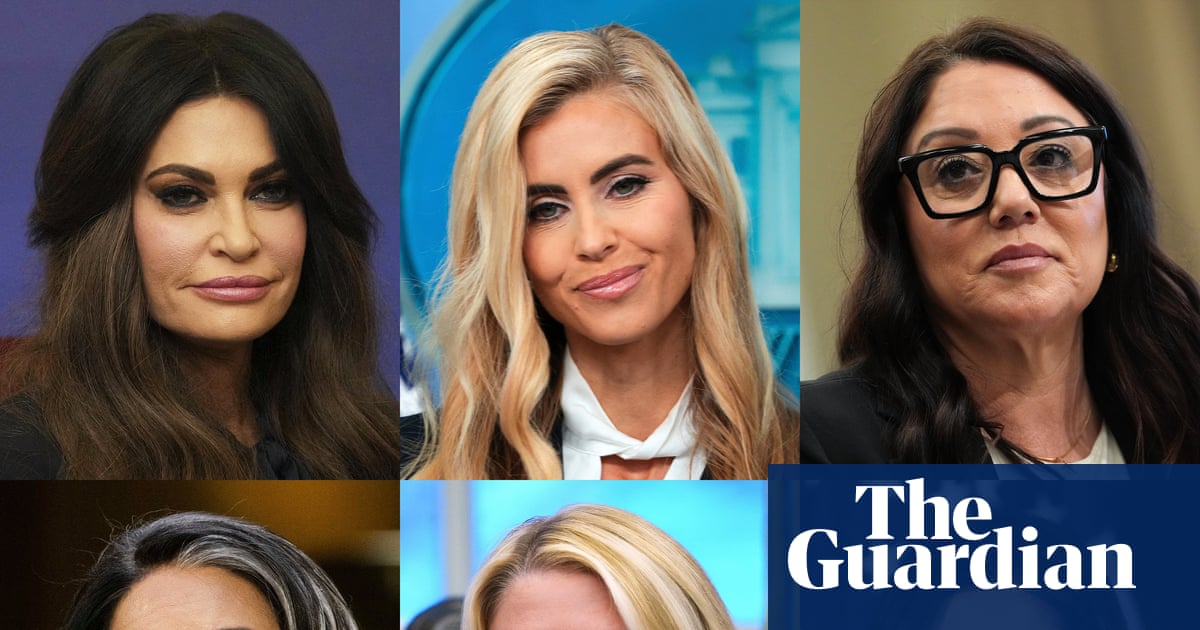
The composition of the Trump administration has shifted significantly over the past several months, characterized by the departure of half of its female cabinet members. In a span of just a few months, four out of eight women who held top executive roles either resigned or were dismissed from their positions. Each of these vacancies was filled by a man, creating a noticeable demographic reversal within the upper echelons of the government.
The most recent departure occurred on Friday when Katie Zacharia was fired as White House press secretary after only five days in the role. Her tenure began with a poorly received first briefing and quickly became complicated by questions regarding her legal credentials. Zacharia admitted she had not passed the bar exam, sparking a debate over whether she could accurately describe herself as an attorney or lawyer. This controversy drew criticism even from conservative media outlets, contributing to her rapid exit.
Zacharia replaced Karoline Leavitt, who resigned in August after twenty months in the position. Leavitt stated that her decision to leave was driven by a desire to spend more time with her young family. The contrast between Leavitt’s voluntary departure and Zacharia’s dismissal highlights the volatility of communications roles within the current administration.
Earlier this year, Kristi Noem was removed from her position as homeland security secretary in March. Her tenure was marked by controversy surrounding federal immigration enforcement operations, including incidents in Minneapolis that resulted in the deaths of two U.S. citizens. Noem faced backlash for labeling one victim a domestic terrorist without evidence and for overseeing a $220 million advertising campaign aimed at encouraging self-deportation. Reports suggest her suggestion that the president was aware of the ad contract approval angered Trump, contributing to her dismissal.
Noem was succeeded by Markwayne Mullin. After her removal, she was briefly appointed as special envoy to the Shield of the Americas coalition, but that role expired last month. She now serves in an advisory capacity with vaguely defined responsibilities. Her departure coincided with a decline in national support for the administration’s immigration agenda and scrutiny over leadership failures within the department.
Pam Bondi, who served as attorney general, was pushed out in April after fourteen months in office. Her tenure was turbulent, largely due to the mishandling of the release of files related to Jeffrey Epstein. The issue became a significant political liability for Trump and frustrated his base. Additionally, Trump reportedly felt Bondi had not sufficiently prosecuted his political enemies. Bondi later revealed she had been diagnosed with thyroid cancer. Todd Blanche assumed the role in August.
Lori Chavez-DeRemer stepped down as labor secretary in April following an inspector general investigation that uncovered allegations of misconduct. These included claims of having an affair with a subordinate and drinking alcohol while on duty. She was replaced by Keith Sonderling. Tulsi Gabbard resigned as national intelligence director in May, citing her husband’s rare cancer diagnosis. However, reports indicated she was sidelined during Trump’s attacks on Venezuela and Iran, and had previously testified that Iran was not building nuclear weapons. Bill Pulte took over the role on an acting basis.
In contrast to the turnover among female officials, several male appointees have remained in their positions despite facing intense scrutiny and allegations of misconduct. Defense Secretary Pete Hegseth has faced global condemnation for various actions but remains in post. FBI Director Kash Patel has survived repeated calls for his resignation and allegations of being intoxicated or absent on the job, which he denies. Commerce Secretary Howard Lutnick also faced public scrutiny regarding past ties to Jeffrey Epstein, but the White House supported him against calls for his resignation.
The pattern of departures suggests a selective retention strategy within the administration. While women in high-profile roles have been replaced at a high rate, men facing similar or greater levels of controversy have not been removed. Susie Wiles, the White House chief of staff and the first woman to hold the job, remains in her position. Trump recently denied reports that he was considering replacing her, asserting she would stay for a long time. This distinction underscores the complex dynamics at play within the current executive branch.
The implications of these changes extend beyond personnel shifts. The replacement of female leaders with men may signal a strategic realignment or a response to internal pressures. As the administration continues to navigate political challenges, the stability of its leadership team remains a key factor in its ability to implement policy and manage public perception. The coming months will likely reveal whether this trend continues or stabilizes.
Sources behind this briefing
Go to the original reporting
- The Guardian US Politics↗All the president’s women: a familiar downward trajectory in Trump’s cabinet