The short version
- Senior Justice Department officials issued a letter warning California election administrators that they face criminal prosecution if they knowingly tabulate ballots cast by noncitizens.
- The federal government filed a lawsuit to block the counting of mail-in ballots from individuals it identifies as likely noncitizens, following a missed deadline for state officials to review a list of 20,000 names.
- California officials and legal experts criticize the move as an overreach that lacks evidentiary support and undermines cooperative federal-state election administration.
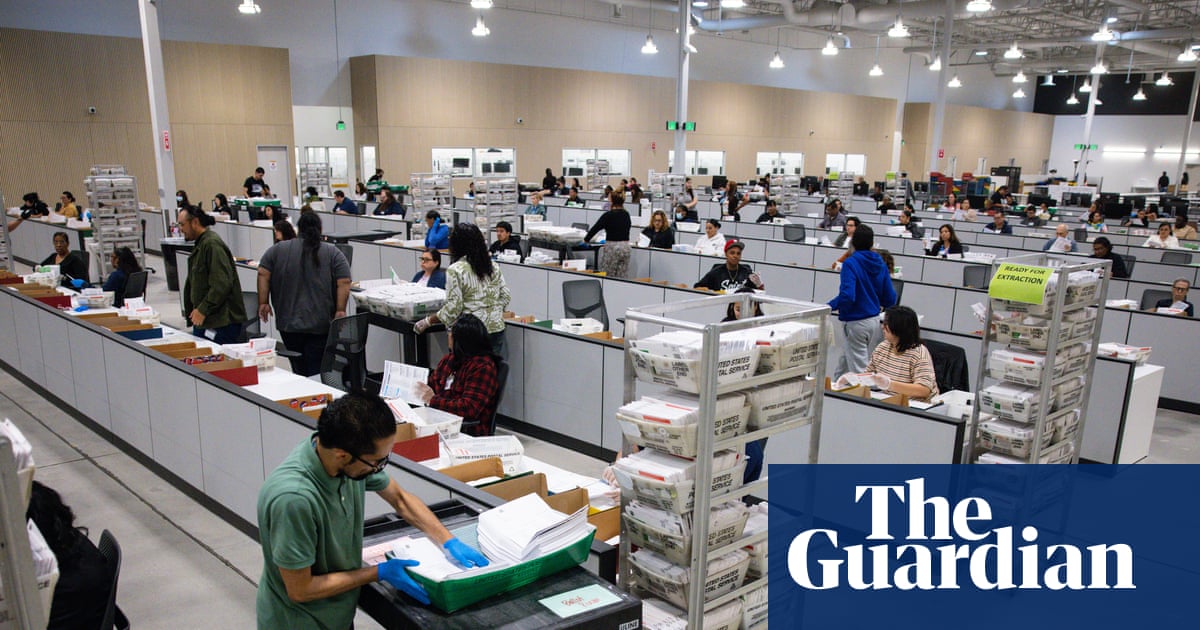
The Trump administration has intensified its confrontation with California state authorities regarding the upcoming midterm elections, issuing direct threats of criminal prosecution against local election officials. A letter obtained by news organizations from senior Justice Department personnel warns that administrators who process ballots submitted by suspected noncitizens risk becoming aiders and abettors to a federal crime. This escalation arrives just days before the November 3 vote, adding significant legal pressure to the state’s election infrastructure.
The correspondence, authored by Trent McCotter, acting deputy attorney general, asserts that noncitizen voting in federal elections is unlawful and that facilitating such conduct carries severe legal consequences. The letter was addressed to the Los Angeles County counsel’s office but also copied to California Secretary of State Shirley Weber and Los Angeles County Registrar Dean Logan. This distribution effectively places the entire state’s election apparatus on notice regarding federal enforcement priorities.
This diplomatic pressure follows a recent lawsuit filed by the federal government seeking to prevent California from counting mail-in ballots from individuals identified as likely noncitizens until their immigration status is verified. The legal action stems from a dispute over a password-protected thumb drive provided by the federal administration, which contained a list of 20,000 names alleged to be noncitizens who received ballots for the November election.
California officials were given a forty-eight-hour deadline to review this data but did not meet the timeframe. State representatives argue that the federal government has failed to provide concrete evidence supporting the claim that these individuals are ineligible to vote. The state maintains its standard procedure of mailing ballots to all registered voters, regardless of the federal assertions regarding specific names on the provided list.
Legal experts have criticized the administration’s approach as an aggressive overreach that disrupts normal election administration. Rick Hasen, a law professor at UCLA, described the letter as raising the stakes by threatening criminal prosecution against local officials. He characterized the federal government’s actions as deplorable, noting that they involve escalating threats and unreasonable demands rather than cooperative assistance to states managing their electoral responsibilities.
The conflict highlights a broader tension between federal enforcement agencies and state election administrators in heavily Democratic jurisdictions. With more than 23 million people registered to vote statewide, the integrity of the ballot counting process is under intense scrutiny. The administration’s strategy appears designed to create legal uncertainty for local officials who are responsible for tabulating results in competitive congressional races.
Several key districts in California could determine which party controls the U.S. House of Representatives for the final two years of Donald Trump’s presidential term. The federal government’s intervention raises questions about the balance of power between state and federal authorities in election administration. Critics argue that such threats undermine public confidence in the electoral process by introducing partisan legal challenges during a critical voting period.
As the election date approaches, California officials must navigate these legal threats while ensuring compliance with state laws governing ballot processing. The Justice Department’s stance suggests a willingness to pursue criminal charges against local administrators if they are found to have knowingly facilitated noncitizen voting. This development marks a significant shift in federal-state relations regarding election security and administration.
The outcome of this dispute may set precedents for future interactions between federal agencies and state election boards. If the lawsuit proceeds, it could result in delays or exclusions of ballots from specific voters, potentially altering results in close races. The situation remains fluid as both sides prepare for potential legal battles that could extend beyond the immediate election cycle.
Observers note that the administration’s focus on noncitizen voting allegations comes amid broader efforts to challenge the legitimacy of mail-in voting procedures. The lack of verified evidence supporting the federal claims has led to skepticism among legal scholars and election officials. The coming weeks will likely see further legal maneuvering as both parties attempt to assert their authority over the electoral process.
Sources behind this briefing
Go to the original reporting
- The Guardian US Politics↗Trump administration threatens California officials if noncitizens vote in midterms
