The short version
- The administration claims ending methane rules will save billions and unlock significant oil reserves.
- Watchdog records reveal extensive behind-the-scenes coordination between the EPA and industry lobbyists.
- Environmental groups warn that recent regulatory pauses have already resulted in substantial gas waste.
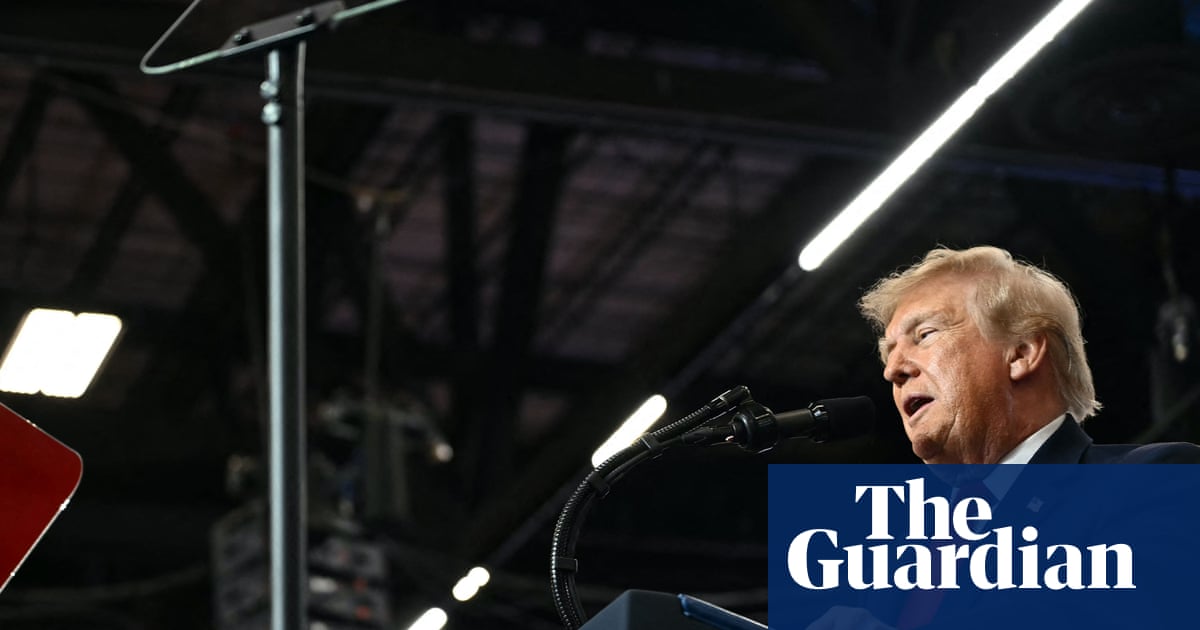
The Trump administration has formally announced plans to dismantle regulations established under the Biden presidency that required oil and gas companies to monitor and reduce leaks of methane, a potent greenhouse gas. Speaking at a political rally in Lubbock, Texas, President Donald Trump declared that these measures were being terminated to alleviate financial burdens on energy producers and consumers. He characterized the previous rules as unnecessary restrictions that drove up costs for small operators, asserting that their removal would yield substantial economic benefits.
According to statements from the Environmental Protection Agency, led by Administrator Lee Zeldin, the policy reversal is projected to save approximately $45 billion for businesses and households. The agency also estimates that lifting these constraints will facilitate the production of an additional 210 million barrels of oil and 1.41 trillion cubic feet of natural gas. This volume of oil represents roughly ten days of total United States petroleum consumption. The administration frames this shift as a necessary step to restore energy dominance and address concerns regarding high fuel prices, which have been exacerbated by geopolitical tensions including the conflict in Iran.
The regulations being targeted were finalized in 2024 and marked the first time the federal government imposed nationwide standards for limiting methane emissions from existing oil and gas facilities. Prior rules, established during the Obama administration in 2016, applied only to new or modified sources. The 2024 mandate required operators to minimize leaking, flaring, and venting of methane and volatile organic compounds, which pose risks to human health. It also introduced a super emitter program obligating companies to investigate major leaks detected by third-party remote sensing technology approved by the EPA.
While some industry executives publicly supported the landmark rule, investigative records suggest a different dynamic behind closed doors. Fieldnotes, an organization that monitors oil and gas activities, obtained documents through Freedom of Information Act requests showing that trade associations and corporations met with EPA officials at least 38 times during the first year of the current administration. These interactions included calendar events, presentation slides, and meeting request forms, indicating a high level of engagement between regulators and industry representatives.
Julia Kane, a researcher for Fieldnotes, described this access as extraordinary, noting that industry groups appeared surprised by their ability to influence regulatory discussions so directly. Lee Fuller, an executive with the Independent Petroleum Association of America, remarked on a conference call that EPA staff were suddenly willing to discuss issues that had previously been ignored. This shift suggests that the administration’s approach involves close collaboration with corporate interests, potentially prioritizing industry preferences over strict enforcement of environmental standards.
The practical impact of these regulatory changes is already becoming apparent. Since the EPA signaled in March 2025 that it would reconsider enforcement of oil and gas regulations, calculations by the Environmental Defense Fund indicate that operators have leaked, vented, or flared natural gas valued at $7 billion. This figure underscores the immediate economic and environmental consequences of pausing oversight. The administration argues that these savings benefit consumers, but critics contend that they reflect a transfer of costs to the public through increased pollution.
Environmental advocates warn that dismantling these rules could significantly hinder efforts to combat climate change. Methane is responsible for at least a quarter of current global warming, and the United States emitted more methane from its oil and gas sector than any other country last year. Rosalie Winn, senior director at the Environmental Defense Fund, stated that the administration’s actions enable major polluters to continue profiting while undermining federal capacity to address climate pollution across key sectors.
The move also highlights a broader strategy to reshape environmental governance. By revising regulations under the Clean Air Act, the EPA aims to reduce what it describes as burdensome compliance requirements. However, opponents argue that this approach weakens accountability mechanisms designed to protect public health and the environment. The tension between economic growth and environmental protection remains central to the debate, with industry groups celebrating deregulation while environmental organizations mobilize to challenge the policy shift.
As the administration proceeds with terminating these methane rules, stakeholders are likely to face legal and political challenges. The extent to which these changes will withstand judicial scrutiny remains uncertain, particularly given the scientific consensus on the dangers of methane emissions. Meanwhile, the immediate effect is a relaxation of oversight that could lead to increased emissions in the short term. The long-term implications for climate goals and energy markets will depend on how effectively alternative measures are implemented or contested.
This development marks a significant pivot in United States energy policy, reflecting the administration’s priority on boosting domestic production and reducing regulatory costs. Whether this strategy achieves its stated economic objectives while managing environmental risks remains to be seen. The coming months will likely see intensified debate over the balance between energy independence and climate responsibility, with both sides leveraging data and public opinion to support their positions.
Sources behind this briefing
Go to the original reporting
- The Guardian US↗Trump says government to ‘terminate’ Biden-era methane emissions rules