The short version
- A localized truce in Russian-occupied Oleshky has held, facilitating the evacuation of approximately two thousand civilians who have faced severe food shortages and blockade conditions for months.
- The presidents of Finland and Norway conducted a ninety-minute call with Vladimir Putin to discuss ending the war, marking the first direct contact between European leaders and the Kremlin since mid-2025.
- European unity on diplomatic engagement remains fractured, with Danish officials criticizing the Nordic initiative as uncoordinated while Ukrainian leadership expresses gratitude for the efforts despite ongoing Russian strikes elsewhere.
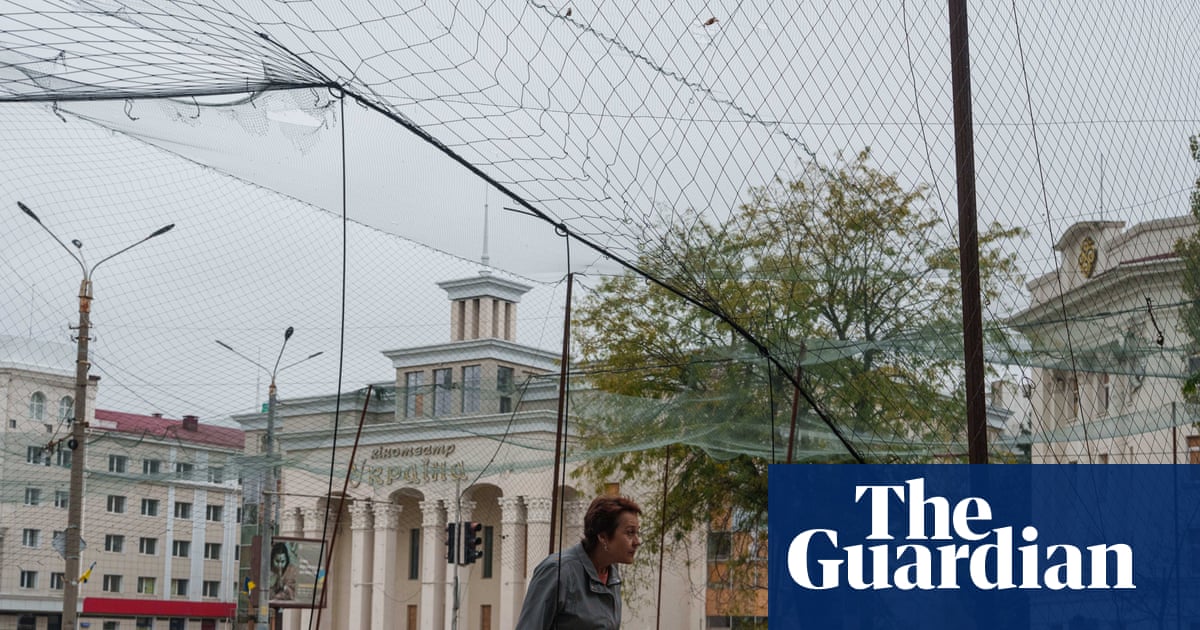
A fragile pause in hostilities near the Dnipro River has allowed for the first significant movement of civilians from a besieged area in southern Ukraine in years. The temporary ceasefire, which began early Tuesday morning in the Russian-controlled city of Oleshky, appears to be holding as both sides halted drone attacks and artillery fire. This de-escalation is scheduled to last until Sunday evening, creating a narrow window for humanitarian operations in a zone that has seen continuous combat since the broader conflict intensified.
The truce facilitates the evacuation of roughly two thousand residents who have endured a complete blockade by Russian forces. Local reports indicate that food supplies ran out months ago, with many inhabitants resorting to eating weeds after the last commercial deliveries ceased in May. While Ukrainian military units have attempted to airdrop provisions using drones, witnesses state that Russian security personnel often detain individuals attempting to collect this aid. The evacuation convoys are expected to transport residents toward occupied Crimea and deeper into Russian territory.
Humanitarian concerns extend beyond immediate survival, as fears persist regarding the treatment of evacuees. Volunteers assisting those fleeing the city report that residents worry Russian officials may screen individuals for pro-Ukrainian sentiments or ties to the armed forces. Such filtering has been documented in other occupied territories, where authorities have confiscated phones and interrogated civilians about their political affiliations. The mission was reportedly expedited by two days following a request from Melania Trump, who emphasized the need for critical aid delivery.
Concurrent with these local developments, diplomatic efforts at the highest levels have intensified. Finnish President Alexander Stubb and Norwegian Prime Minister Jonas Gahr Støre held a ninety-minute telephone conversation with Vladimir Putin, describing the exchange as frank and substantive. This marks a rare instance of direct communication between Western leaders and the Russian president since French President Emmanuel Macron spoke with him in July 2025. The Nordic leaders emphasized that their initiative was not undertaken on behalf of Europe as a whole but rather to address regional security concerns given their shared borders with Russia.
The dialogue revealed significant ideological divides, with Støre noting substantial differences in perspective during the call. Putin reportedly argued that confrontational policies from NATO and the European Union were prolonging the conflict and insisted that any lasting peace must account for Russian interests. Despite these disagreements, all three parties agreed to maintain direct phone lines for future communication. The Kremlin stated that a just peace is only possible if Moscow’s concerns are addressed, while the Nordic leaders highlighted the generational impact of the war’s destruction.
These diplomatic moves come amid shifting dynamics in transatlantic relations. Tensions have emerged between the United States and its European allies following decisions by the Trump administration to lift certain sanctions on Russia, including restrictions on oil exports. In response, some European nations are seeking to establish independent channels of communication with Moscow to ensure their voices are heard in upcoming negotiations. Ukrainian President Volodymyr Zelenskyy has been briefed on the Nordic call and expressed appreciation for their active support, noting that they conveyed the necessity of genuine de-escalation steps.
However, the approach has drawn criticism from other European leaders who question the efficacy and coordination of such unilateral engagements. Danish Prime Minister Mette Frederiksen voiced strong skepticism, stating that the initiative was not agreed upon with other EU partners and expressing doubt about Russia’s willingness to pursue peace. Meanwhile, Polish Prime Minister Donald Tusk indicated a moderately optimistic outlook regarding Europe’s position in upcoming trilateral talks scheduled for Abu Dhabi next month, involving representatives from Ukraine, Russia, and the United States.
The localized nature of the Oleshky truce underscores the limited scope of current de-escalation efforts. Fighting continues unabated in other parts of Ukraine, with Russian forces launching drone and missile strikes against Kyiv overnight, hitting a university campus and damaging infrastructure. At least one person was killed and fifteen injured in the capital’s attacks. Zelenskyy welcomed the European diplomatic attempts but reiterated that Russia must stop prolonging the war, emphasizing the need for concrete actions rather than symbolic gestures.
As the evacuation proceeds and diplomatic channels remain open, the international community watches closely for signs of broader progress. The upcoming talks in Abu Dhabi represent a critical test of whether recent diplomatic overtures can translate into tangible reductions in violence. Until then, the contrast between the quiet streets of Oleshky and the ongoing bombardment elsewhere serves as a stark reminder of the conflict’s complexity and the fragility of any temporary reprieve.
The situation remains fluid, with uncertainties surrounding the long-term viability of the ceasefire and the potential for renewed hostilities once the truce expires. Humanitarian organizations continue to monitor the evacuation process, ensuring that aid reaches those in need while navigating the risks posed by active combat zones. The coming days will likely reveal whether this momentary pause can serve as a foundation for more sustained peace efforts or merely another interlude in a protracted war.
Sources behind this briefing
Go to the original reporting
- The Guardian US↗Oleshky truce appears to hold as two European leaders have ‘frank’ call with Putin
- BBC News↗Norway and Finland leaders hold rare call with Putin