The short version
- Modern toxicology detected psychoactive substances in eight Inca child mummies, including cocaine, alcohol, and harmine alkaloids.
- The chemical markers suggest a deliberate effort to manage the children's physical comfort and emotional state before sacrifice.
- Variations in substance use across different sites indicate that ritual preparations were not uniform throughout the empire.
New forensic analysis of eight frozen Inca mummies has provided detailed insight into the final months of children sacrificed on high-altitude Andean peaks. Researchers examined hair and fingernail samples from one boy and seven girls, aged six to fourteen, who died approximately five centuries ago. The toxicological screenings identified traces of cocaine, ceremonial corn beer, and alkaloids associated with ayahuasca brews. These findings offer a clearer picture of how Inca priests managed the physical and emotional states of victims during the capacocha ceremony.
The study, published in Antiquity, utilized advanced techniques to detect low concentrations of substances locked within keratin proteins. Because hair and nails grow continuously, they preserve a chronological record of chemical intake. This allowed scientists to map how ritual preparations intensified over time for each child. The research aimed to identify a broader range of psychoactive agents beyond previously studied coca leaves, seeking to understand variations in ritual conduct across different locations within the vast Inca Empire.
Cocaine was detected in all eight individuals, confirming that every child chewed coca leaves before death. This practice aligns with historical accounts and archaeological evidence, such as figurines buried with the mummies that depict prominent cheek bulges from coca quids. Beyond its sacred significance, the consumption of coca likely served practical purposes. The plant’s properties would have helped suppress hunger, relieve exhaustion, and counteract severe altitude sickness during the arduous ascent to sacrificial sites on volcanic peaks.
Four of the victims also showed chemical signs of alcohol consumption, likely from chicha, a fermented maize beer. Residue of this beverage was found in vessels interred with the bodies. Researchers suggest that chicha was administered to dull the senses and calm the children as the ceremony approached. This indicates a structured regimen designed to reduce anxiety and physical discomfort during the final stages of the ritual process.
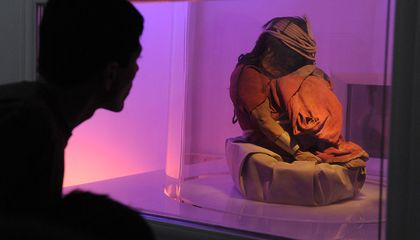
Perhaps most notably, traces of harmine were identified in the fingernails of Juanita, known as the Lady of Ampato. Discovered on a Peruvian stratovolcano in 1995, this adolescent girl’s remains contained alkaloids derived from a vine used in ayahuasca brews. Harmine possesses antidepressant properties, leading researchers to believe it was administered specifically to elevate her spirits and ease fear. The presence of this substance suggests that ensuring the emotional wellbeing of the children was a critical component of the ceremony.
The sourcing of these substances reveals the logistical complexity of the rituals. The ayahuasca vine grows only in the Amazon rainforest, requiring transport over hundreds of miles through extensive trade networks to reach the high-altitude sacrifice sites. This effort underscores the importance placed on the children’s positive mood and sensory attunement. Inca rulers viewed these youths not as mere casualties but as sacred ambassadors destined to serve as eternal messengers between humanity and the gods.
Historical records from early Spanish chroniclers, such as friar Martín de Murúa, describe capacocha ceremonies as efforts to prevent famine, drought, pestilence, and rebellion. The sacrifices were intended to appease mountain deities and restore cosmic order during times of crisis. However, the specific methods used to prepare the victims remained poorly understood until now. The new data bridges the gap between historical descriptions and biological evidence, highlighting the sophisticated nature of Inca religious practices.
The study also highlights regional differences in ritual execution. While coca use appears consistent across all examined mummies, the presence of other psychoactive substances varied by individual and location. This suggests that local communities may have adapted the preparation process according to available resources or specific traditions. The findings challenge the notion of a monolithic imperial ritual, pointing instead to a diverse set of practices unified by common religious goals.
Beyond their religious role, these ceremonies served political functions. By selecting children from across the empire, Inca rulers established relationships with local communities and incorporated regional deities into the state religion. Being chosen for sacrifice was considered an extraordinary honor that elevated the social status of both the children and their families. The careful preparation of the victims reflects this reverence, treating them as vital components of a system designed to maintain imperial stability and divine favor.
These findings contribute to a growing body of evidence regarding the spread of psychoactive substances in pre-Columbian societies. For instance, previous research identified cocaine use in individuals buried in Italy during the 1600s, challenging earlier assumptions about when such substances reached Europe. The current study reinforces the significance of toxicological analysis in archaeology, allowing researchers to reconstruct intimate details of ancient lives that written records alone cannot provide.
Sources behind this briefing
Go to the original reporting
- Smithsonian Magazine↗Forensic Analysis of Frozen Inca Mummies Reveals That Sacrificed Children Were Plied With Coca Leaves, Corn Beer and Ayahuasca Compounds Before Death