The short version
- James Talarico has positioned his Senate campaign around opposition to billionaire influence, specifically targeting Elon Musk’s financial support for Ken Paxton.
- Federal records show Musk contributed $158 million to a fund supporting Paxton, while Talarico reports raising $64 million from small donors in the third quarter.
- The race remains tight amid controversies involving Paxton’s associations and false rumors about Talarico’s health, with polls showing a narrow Democratic edge.
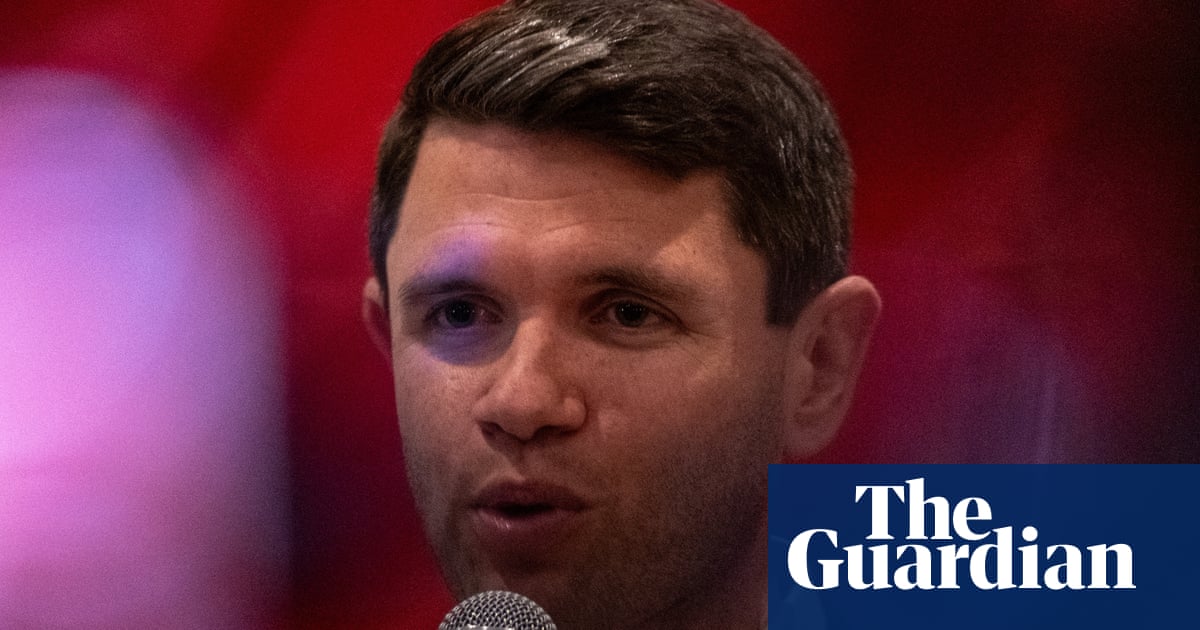
The contest for the United States Senate seat in Texas has emerged as one of the most closely monitored races in the upcoming midterm elections, with Democrats aiming to secure their first statewide victory in the state since 1994. At a recent campaign event held at the University of Texas at Austin, Democratic candidate James Talarico addressed a crowd of hundreds, framing the election as a direct conflict between grassroots political power and concentrated wealth. The former state representative used the platform to criticize his opponent, Texas Attorney General Ken Paxton, while drawing attention to the substantial financial backing Paxton receives from outside interests.
Talarico’s central argument focuses on the role of Elon Musk in the race. The Democratic candidate asserted that the technology executive is attempting to purchase political influence by funneling significant resources into efforts to install Paxton in the Senate. According to federal campaign finance filings, Musk has contributed $158 million to the Senate Leadership Fund, which subsequently transferred those funds to Texas PAC, a Republican super political action committee supporting Paxton’s bid. Talarico characterized this financial structure as an attempt by a single individual to dominate the electoral process, contrasting it with his own fundraising model.
In response to the disparity in outside spending, Talarico highlighted his campaign’s reliance on small-dollar donations. Campaign figures indicate that between July and September, the Democratic effort raised $64 million, a sum more than three times what Paxton raised during the same period. Notably, 97 percent of these contributions were under $100 each. Talarico told supporters that his movement is funded by 1.3 million individuals, whereas Paxton’s campaign depends heavily on one major donor. This narrative of widespread public support versus elite financial power has become a defining theme of the Democratic strategy in Texas.
The rhetoric at the rally grew sharper as Talarico denounced Paxton’s political record. The candidate described the attorney general as the most corrupt politician in the state’s history, pointing to previous impeachment proceedings initiated by his own party over corruption allegations. Talarico contrasted his legislative background with what he termed Paxton’s criminal record, asking voters to choose between a senator who serves their interests and one who serves billionaire donors. He suggested that attack advertisements and negative mailers circulating in the state were likely funded by Musk, implying that the tech mogul was directly shaping public perception through paid media.
Beyond financial contributions, Talarico raised concerns about resource allocation in Texas, particularly regarding land, water, and tax dollars. He argued that Musk’s business interests, including the relocation of SpaceX, Tesla, and X to the state, create a conflict of interest if Paxton were to win the Senate seat. The candidate warned that allowing such concentrated influence could compromise the state’s autonomy, declaring that Texas is not for sale. This message resonated with supporters holding campaign signs in an auditorium decorated with large Texan flags, signaling a blend of local pride and anti-corporate sentiment.
The race has been marked by significant turbulence and controversy in recent weeks. Talarico experienced a brief absence from public view after falling ill with the flu at the end of September, which led to unverified rumors circulating online. Former President Donald Trump suggested without evidence that Talarico’s illness was related to dietary choices, while other false claims emerged regarding his mental health status. These rumors were subsequently debunked, but they contributed to a chaotic media environment surrounding the Democratic candidate.
Simultaneously, Paxton faced scrutiny over his personal associations. A video published by The Wall Street Journal showed the attorney general celebrating New Year’s Eve in Dubai with two individuals who were indicted on healthcare fraud charges in Illinois. One of these individuals had donated $190,000 to Paxton’s campaign, including a portion received after the indictment. These developments have complicated the narrative for both campaigns, adding layers of personal controversy to the policy and financial debates.
As the election approaches, both candidates are intensifying their outreach efforts. Talarico has embarked on a tour aimed at engaging skeptical Republicans and independent voters, including participation in a town hall discussion. Paxton, meanwhile, has launched an 18-day bus tour across Texas, focusing on conservative messaging and attempting to link Talarico with positions on transgender issues that have proven effective in previous Republican campaigns. The dynamic reflects a broader national trend where cultural issues intersect with economic concerns.
Current polling data suggests the race remains highly competitive. Averages from polls conducted in mid-October show Talarico holding a narrow advantage, though the margin is within the range of sampling error. With super PACs and outside groups spending an estimated $200 million to influence the outcome, the financial stakes are unprecedented for a Senate race. The final weeks will likely see increased advertising and voter contact efforts from both sides.
The outcome of this election could have significant implications for control of Congress and the broader political landscape in Texas. Democrats view a victory as a potential breakthrough in a state that has been reliably Republican for decades, while Republicans see it as a critical defense of their majority. The contrast between Talarico’s grassroots fundraising model and Paxton’s reliance on major donors highlights a growing tension in American politics over the role of wealth in electoral outcomes. Voters will ultimately decide whether financial resources or small-dollar support proves more decisive in this high-stakes contest.
Sources behind this briefing
Go to the original reporting
- The Guardian US Politics↗Democrat James Talarico targets Elon Musk at rally: ‘Texas is not for sale’