The short version
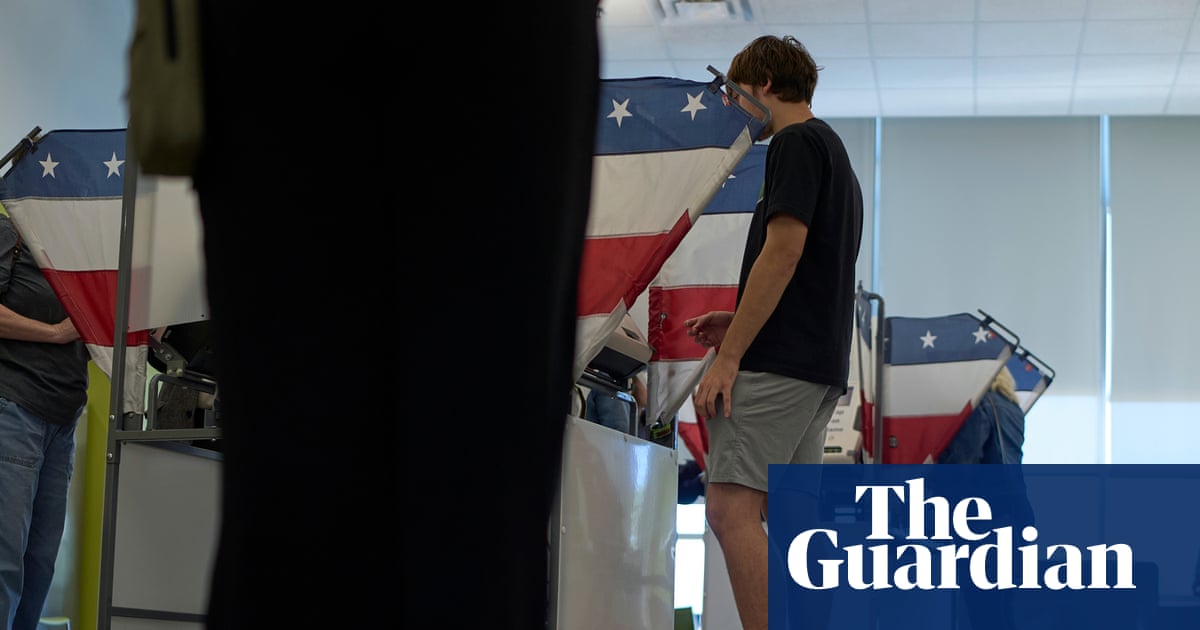
- More than 23 million Americans have already voted as the midterm elections approach, marking a significant increase in early participation compared to previous cycles.
- Democrats currently account for 45 percent of early ballots cast nationwide, outpacing Republicans who represent 30 percent, a gap that concerns GOP strategists.
- High voter turnout appears driven by public frustration with economic conditions and foreign policy decisions, particularly regarding the conflict in Iran.
With only eleven days remaining until the United States midterm elections, early voting data indicates a robust surge in participation that could reshape the political landscape. As of late October, more than twenty-three million Americans had already cast their ballots either in person or by mail. This volume of early activity suggests heightened engagement from the electorate, particularly in states where control of Congress hangs in the balance. Democrats require a net gain of four seats to reclaim majorities in both chambers, and the current voting patterns offer initial indicators of whether that threshold might be reached.
The distribution of these early votes reveals notable disparities between political parties. Registered Democrats have accounted for forty-five percent of the ballots cast so far, while Republicans represent thirty percent. This margin is particularly pronounced in traditionally Republican-leaning states such as North Carolina, Kansas, and Iowa. Political strategists within the Republican Party are expressing concern over what they describe as a potential decline in voter enthusiasm among their base. They worry that this gap may reflect broader dissatisfaction with current economic conditions and foreign policy initiatives rather than a lack of interest in the election itself.
Several key battleground states have seen early voting numbers exceed those from the 2022 midterms by significant margins. In Georgia, early votes already surpass forty percent of the total turnout recorded two years ago. Texas has reached thirty-five percent of that previous total, while North Carolina stands at thirty-three percent. Florida and other critical states are also recording similarly elevated paces. These figures underscore a trend of increased voter mobilization in regions that will ultimately determine the composition of the Senate. The University of Florida’s Election Lab has tracked these developments, providing real-time data that highlights the intensity of this year’s electoral contest.
Public frustration appears to be a primary driver behind the surge in early voting. Many voters are expressing discontent with the administration’s handling of the economy, including rising costs of living and high gas prices. Additionally, the ongoing conflict in Iran has drawn widespread criticism, contributing to record-low approval ratings for President Donald Trump. This backlash has energized Democratic supporters, who believe that these issues present an opportunity to flip seats that have remained under Republican control for decades. The combination of economic anxiety and foreign policy concerns seems to be motivating voters to participate earlier than usual.
Despite executive orders issued by the Trump administration attempting to restrict mail-in voting, the process remains widely utilized. More than fifty-seven million mail-in ballots have been requested or sent nationally, according to data from NBC News and TargetSmart. The University of Florida’s Election Lab reports an even higher figure, with over fifty-nine million requests recorded. These numbers exceed the fifty-two million requests seen during the 2022 midterms. Notably, the Supreme Court struck down several of these restrictive measures in September, allowing voters to continue using mail-in ballots at rates comparable to pre-pandemic levels. This legal development has helped maintain access to voting for those who prefer or require remote participation.
The implications of this early voting surge extend beyond mere numbers. For Republicans, the challenge lies in mobilizing their base to vote on Election Day, given their historical preference for casting ballots in person. Strategists fear that if the current trend continues, it could result in a significant disadvantage for their candidates in competitive districts. Conversely, Democrats are leveraging this momentum to reinforce their campaign efforts, focusing on issues that resonate with frustrated voters. The party’s ability to sustain this enthusiasm through Election Day will be crucial in determining whether they can achieve their goal of reclaiming congressional majorities.
As the election approaches, both parties are intensifying their outreach efforts to engage remaining undecided or disengaged voters. The high volume of early ballots cast suggests that many citizens have already made up their minds, but there is still time for last-minute persuasion and mobilization. The coming days will be critical in assessing whether the current trends hold steady or shift as more voters participate. Analysts are closely monitoring turnout rates in key states to gauge the potential impact on final results.
Ultimately, the early voting data provides a snapshot of a deeply divided electorate grappling with significant national issues. While Democrats currently lead in early participation, the outcome remains uncertain until all ballots are counted. The midterm elections will serve as a referendum on the current administration’s policies and performance, with voters expressing their preferences through high engagement levels. As Election Day nears, the focus shifts to ensuring that every eligible voter has the opportunity to participate, regardless of party affiliation or preferred voting method.
Looking ahead, the results of these midterms will have far-reaching consequences for American politics. Control of Congress will influence legislative priorities, oversight capabilities, and the balance of power between branches of government. The surge in early voting underscores the importance of this election cycle, reflecting a populace that is actively engaged in shaping its future. Whether Democrats can capitalize on their current momentum or Republicans can rally their base remains to be seen, but one thing is clear: this election promises to be pivotal.
In conclusion, the early voting trends observed so far highlight a dynamic and contentious electoral environment. With millions of ballots already cast and significant disparities in party participation, the stakes are higher than ever. As the nation moves closer to Election Day, all eyes will be on the battleground states where every vote counts. The coming weeks will reveal whether the current enthusiasm translates into tangible gains for either party, setting the stage for the next chapter in American political history.
Sources behind this briefing
Go to the original reporting
- The Guardian US Politics↗Surging turnout, with Democrats voting more: key takeaways from early voting data