The short version
- Ken Paxton admitted at a private fundraising event that outside forces in Washington are controlling his campaign message and strategy.
- Campaign advisers denied coordination with super PACs, framing the comments as gratitude for national support rather than a loss of autonomy.
- Paxton previously suggested that the Republican National Convention negatively impacted his polling numbers in a tight race against James Talarico.
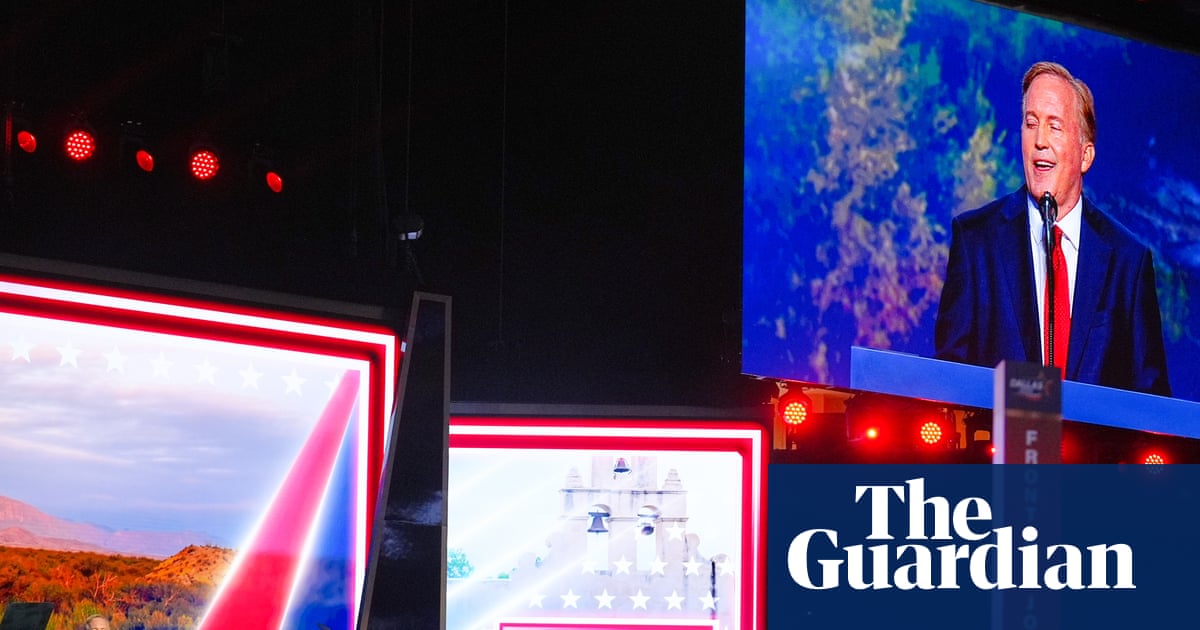
Texas Attorney General Ken Paxton has acknowledged that external actors based in Washington, D.C., are directing the messaging and strategy of his Senate campaign. The admission came during a private fundraising event in September, where Paxton told attendees he felt an unprecedented lack of control over his political operation. According to an audio recording obtained by Politico, the Republican candidate expressed frustration that key decisions regarding which issues to prioritize were being made outside of his immediate team.
Paxton’s comments highlight growing tensions between a high-profile state official and the national machinery supporting his bid for the U.S. Senate seat. He stated that he does not control the campaign’s message or its daily operations, noting that directives are coming from Washington rather than his local staff. This revelation adds a layer of complexity to a race that has already been defined by close polling numbers and significant national interest.
The Republican National Committee and allied groups have invested heavily in Paxton’s candidacy, viewing Texas as a critical battleground for maintaining Senate majority control. However, Paxton’s remarks suggest a disconnect between the candidate on the ground and the strategic architects in the capital. An attendee at the event noted that while Paxton did not explicitly name Donald Trump or his inner circle as the controllers, the context of the conversation pointed toward national political influences rather than local campaign dynamics.
Paxton’s campaign team has moved quickly to distance the attorney general from any implication of insubordination or disorganization. Nick Maddux, a campaign adviser, issued a statement clarifying that campaigns do not coordinate directly with super PACs, which he asserted was the entity Paxton was referencing. Maddux emphasized that Paxton remains actively engaged in fundraising and voter outreach across Texas, including a recent statewide television advertising push launched over the weekend.
This is not the first time Paxton has expressed dissatisfaction with external influences on his campaign trajectory. In a separate incident reported last week, Paxton told reporters that the Republican National Convention held for the midterm elections had negatively affected his standing in the polls. He acknowledged that while all candidates saw a dip following the convention, the impact on his numbers was particularly concerning given the competitive nature of the race.
The campaign’s response to these earlier comments was dismissive, with Maddux characterizing the reporting as manipulated nonsense designed to create a narrative that did not exist. Despite this denial, the pattern of remarks suggests ongoing friction between Paxton and the national party apparatus. The attorney general appears to be struggling to reconcile his local political identity with the broader strategic goals imposed by Washington-based allies.
The Senate race in Texas remains tightly contested, with multiple polls showing a narrow margin between Paxton and his Democratic opponent, James Talarico. Recent surveys indicate that Talarico holds a slight lead among likely voters, with numbers hovering around 51 percent to 49 percent or 51 percent to 45 percent depending on the pollster. The closeness of the race amplifies the significance of any internal campaign discord, as both sides seek every available advantage in the final weeks before the election.
Paxton’s political career has been marked by controversy, including his impeachment in 2023 on charges of bribery and abuse of public trust, though he was later acquitted. His personal life has also drawn scrutiny, with his wife filing for divorce on biblical grounds citing adultery. These factors have shaped the narrative around his candidacy, making him a polarizing figure who relies heavily on national conservative support to offset local vulnerabilities.
As the midterm elections approach next month, the dynamic between Paxton and his Washington backers will likely remain a focal point for both campaigns. The Democratic side may seek to highlight these comments as evidence of a candidate out of touch with Texas voters, while Republicans will continue to frame the national support as essential for victory. The outcome of this race could have lasting implications for the balance of power in the Senate.
Observers are watching closely to see whether Paxton’s public stance aligns with his private frustrations. If the disconnect between local execution and national strategy persists, it could undermine campaign cohesion at a critical juncture. Conversely, if the team can unify its message despite these internal tensions, Paxton may still capitalize on the strong conservative base that has rallied behind him throughout the contentious primary and general election cycles.
Sources behind this briefing
Go to the original reporting
- The Guardian US Politics↗Republican Ken Paxton admits forces in DC control his Texas Senate campaign