The short version
- Tourism Tasmania has introduced a campaign declaring the island state is not intended for traditional tourists.
- The strategy leverages research suggesting travelers prefer identifying as explorers to avoid negative stereotypes associated with mass tourism.
- Experts suggest the approach aims to redirect visitor spending toward regional areas and reduce overcrowding at popular sites.
Tourism authorities in Tasmania have unveiled a provocative new marketing strategy that explicitly tells potential visitors to stay away. The campaign, which declares the island state is 'not really for tourists,' represents a significant departure from conventional destination promotion. Rather than highlighting attractions and amenities, the initiative embraces a tone of exclusion, leveraging what officials describe as reverse psychology to attract a specific demographic of travelers.
The central premise of the campaign rests on recent research indicating that many people harbor negative feelings about being labeled as tourists. Studies cited by tourism experts suggest that individuals often dislike the term because it carries connotations of superficiality or overcrowding. Consequently, there is a growing preference among modern travelers to identify instead as 'travelers,' a distinction that implies deeper engagement with local culture and environments.
To illustrate this shift in identity, the campaign features former SBS newsreader Lee Lin Chin, who is known for her low-tech lifestyle and lack of mobile phone usage. In promotional videos, Chin explores walking trails and engages with the natural landscape, embodying the quiet, reflective experience the state wishes to promote. Her presence adds a layer of credibility and humor to the message, appealing to an audience that values authenticity over commercialized tourism experiences.
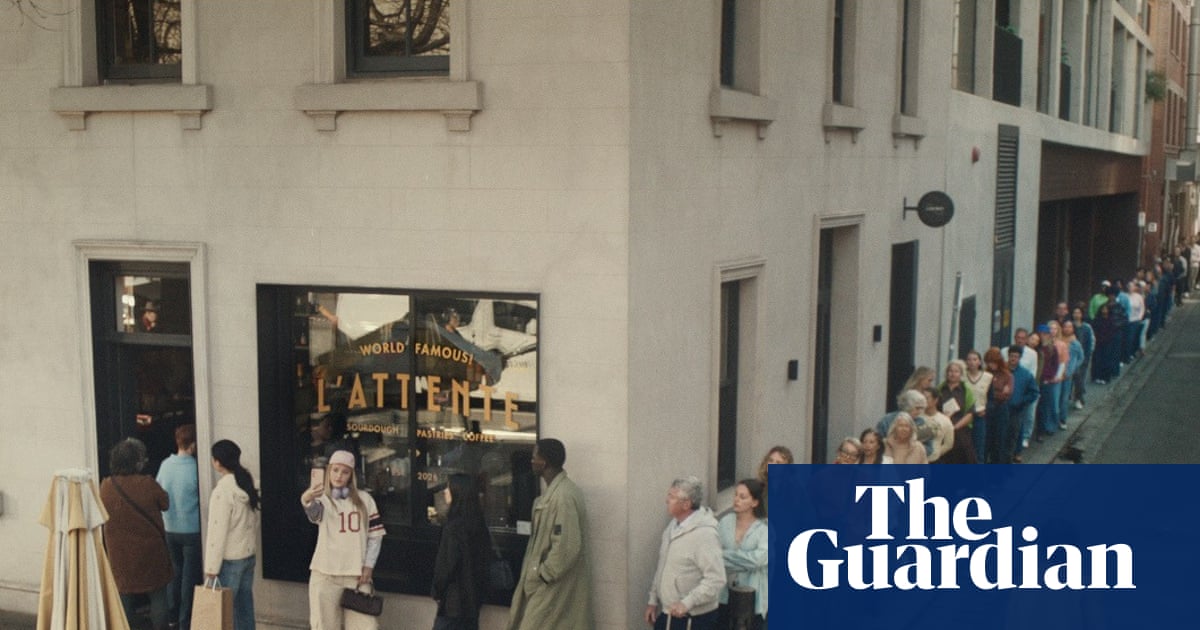
One key visual in the campaign depicts a man standing in an endless queue for a 'world famous' pastry, only to abandon the line in search of solitude in the outdoors. This narrative arc underscores the tension between mass tourism and the desire for personal space. By highlighting the frustration of crowded attractions, the campaign positions Tasmania as an alternative destination where visitors can escape the pressures of popular travel hubs.
Sarah Kingston Clark, CEO of Tourism Tasmania, described the approach as deliberately wry rather than hostile toward visitors. She noted that the campaign reflects the broader tensions inherent in modern travel, where the desire for connection clashes with the need for privacy and peace. The goal is not to deter tourism entirely but to redefine what a visit to Tasmania looks like, encouraging behaviors that align with the state's natural and cultural values.
Academic experts have analyzed the campaign through the lens of cultural heritage and regional development. Professor Can-Seng Ooi from the University of Tasmania pointed out that the imagery and messaging draw heavily on Scandinavian aesthetics, such as saunas, vinyl records, and books. These elements evoke a sense of calm and slow living, contrasting with the fast-paced nature of urban life on the Australian mainland.
Professor Ooi emphasized that the campaign targets stressed individuals yearning for quietness, particularly those residing in densely populated cities. By framing Tasmania as a place where time slows down, the initiative appeals to travelers seeking mental respite. This strategy mirrors trends seen in other regions that have successfully marketed themselves as sanctuaries from modern stressors.
Other scholars have highlighted the potential economic benefits of this approach. Associate Professor Char-lee McLennan from Queensland University of Technology suggested that steering visitors away from established hotspots could support regional economies more effectively. By distributing tourist spending across less visited areas, the campaign may help sustain communities that rely on tourism but are often overlooked by mainstream travel itineraries.
Professor David Waller from the University of Technology Sydney noted that the campaign is less about opposing tourists and more about opposing overcrowded destinations. He praised the use of humor and iconic figures like Lee Lin Chin to soften the message while maintaining its critical edge. The success of the initiative will depend on whether the actual visitor experience matches the promise of tranquility and authenticity.
As the campaign rolls out, attention will turn to how visitors respond to the invitation to reject traditional tourism norms. If successful, Tasmania could become a model for other destinations struggling with overtourism. However, critics warn that the strategy must deliver tangible benefits to local communities and ensure that the promise of solitude is not compromised by an influx of new arrivals seeking the same quietude.
Sources behind this briefing
Go to the original reporting
- The Guardian World↗‘Tourists hate themselves’ – which is why Tasmania is telling them to stay away