The short version
- The Sydney Festival will host its first southern hemisphere edition of Dance Reflections, featuring eleven international premieres.
- The program triples the previous dance offering, bringing over one hundred performers to venues including a newly activated space at Barangaroo.
- Organizers aim to broaden audience engagement through affordable ticketing and free public performances, citing shifts in digital culture.
The upcoming Sydney Festival is set to significantly expand its performing arts scope with the introduction of Dance Reflections, an international program making its debut in the southern hemisphere. Scheduled for January, this initiative marks a substantial departure from recent years by tripling the scale of dance offerings compared to the previous festival cycle. The expansion includes eleven distinct works originating from countries such as France, Belgium, and South Africa, all of which are set to make their Australian premieres during this event.
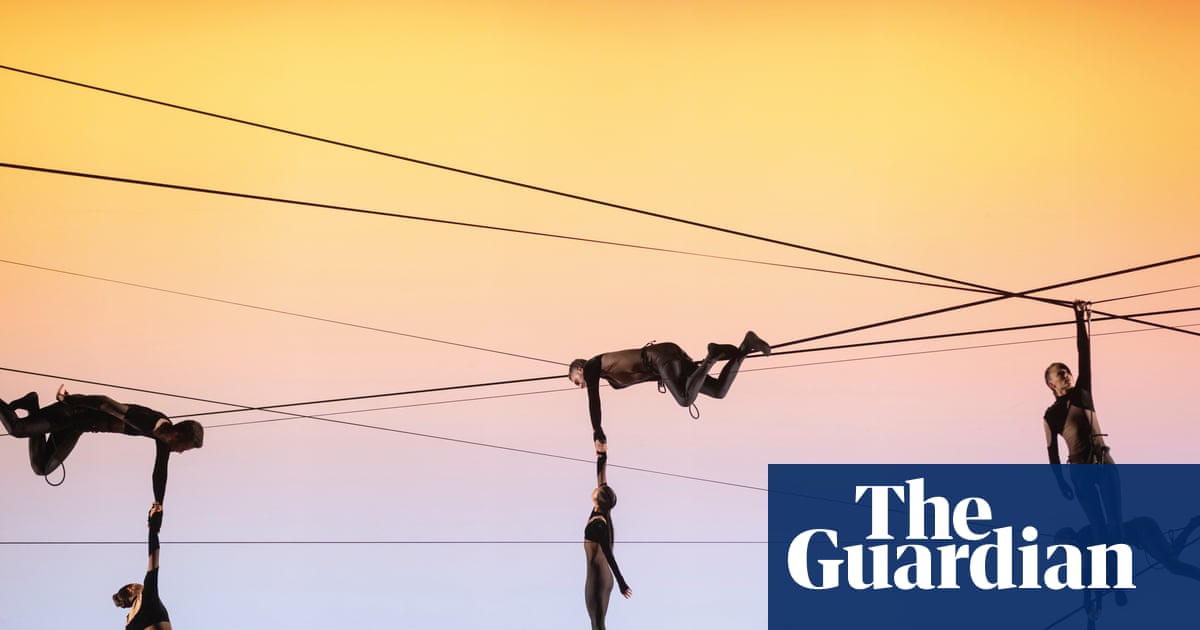
Central to this ambitious lineup is Rachid Ouramdane’s Outsider, a production described as the crowning jewel of the program. Originally created in 2024, the piece features twenty-one dancers from the Ballet du Grand Théâtre de Genève alongside four elite athletes. The performance utilizes a complex network of high wires and slack lines, set to minimalist compositions by avant-garde musician Julius Eastman. This work will be staged in a purpose-built theater with seven hundred twenty seats located within the recently renovated Cutaway at Barangaroo.
The activation of the Cutaway venue represents a notable development for Sydney’s cultural infrastructure, as it is the first time this specific space has been used for theatrical performance. In addition to hosting Ouramdane’s production, the venue will present Christos Papadopoulos’s My Fierce Ignorant Step and a double bill featuring works by Chinese choreographer Tao Ye and his company, TAO Dance Theatre. These selections highlight the diverse range of styles included in the festival’s broader strategy.
The program also features contributions from genre-defying collective (La)Horde, known for collaborations with major pop artists including Madonna and Rosalía. A new work by this group will be part of the lineup, alongside performances by Belgian choreographer Anne Teresa De Keersmaeker and her company Rosas, who are returning to Australia. Additionally, Indigenous and intercultural dance company Marrugeku will present a brand new work, ensuring local representation within the international framework.
Dance Reflections is funded by French jewelry house Van Cleef and Arpels and has previously been staged in major global cities such as London, New York, Hong Kong, and Seoul. Kris Nelson, the director of the Sydney Festival, noted that he witnessed the impact of the inaugural festival while working in London. He described the initiative as a game-changer for the creation and dissemination of large-scale dance works, positioning the Sydney edition as a unique opportunity for local audiences.
This surge in dance programming follows a significant gap in the city’s cultural calendar. The last major dedicated dance event, Spring Dance, was launched by the Sydney Opera House in 2009 and ran for four years before being discontinued in 2013 due to financial constraints. At the time of its cancellation, then-CEO Louise Herron characterized the local dance audience as relatively small but passionate. The current festival organizers appear to be testing whether that dynamic has shifted in the intervening decade.
Nelson expressed confidence in the potential for growth, pointing to the viral popularity of dance content on social media platforms like TikTok. He highlighted the influence of choreographers who draw from queer club culture and street dance, suggesting these trends may have broadened public interest beyond traditional theatergoers. The festival aims to capitalize on this cultural shift by presenting a wide sampler of styles, ranging from classical ballet to acrobatic and personality-driven performances.
To encourage broader participation, the festival has introduced accessible pricing strategies. Ten thousand tickets are available at a reduced price of forty-nine Australian dollars through an A-Reserve program. Furthermore, two works will be offered free of charge: Trisha Brown’s seminal Roof Piece, which will be performed in the gallery spaces of the Art Gallery of New South Wales, and Cassiel Gaube’s Soirée d’études, a tribute to house music staged in public space at Carriageworks. These measures aim to lower barriers to entry for diverse audiences.
The full program for the Sydney Festival is scheduled to be announced on October 19. The inclusion of Dance Reflections signals a strategic effort to reposition dance as a central pillar of the city’s cultural identity. By combining high-profile international talent with local innovation and accessible pricing, organizers hope to demonstrate that the appetite for large-scale dance performances has evolved since the early 2010s.
As the festival approaches, attention will focus on how audiences respond to this expanded offering. The success of these initiatives could influence future programming decisions for Sydney’s major cultural institutions. With a mix of established masters and rising stars, the event presents a comprehensive test case for the viability of large-scale dance festivals in the Australian market.
Sources behind this briefing
Go to the original reporting
- The Guardian World↗Sydney festival 2027: 11 international dance works to headline ‘once-in-a-lifetime’ program