The short version
- Two popular Sydney beaches remain closed due to a decomposing whale carcass found in Lurline Bay, with no immediate plans for removal.
- Local council and Indigenous rangers are collaborating on a culturally respectful approach that allows natural decomposition rather than landfill disposal.
- Safety concerns include potential shark attraction and public curiosity, though no increase in shark activity has been reported yet.
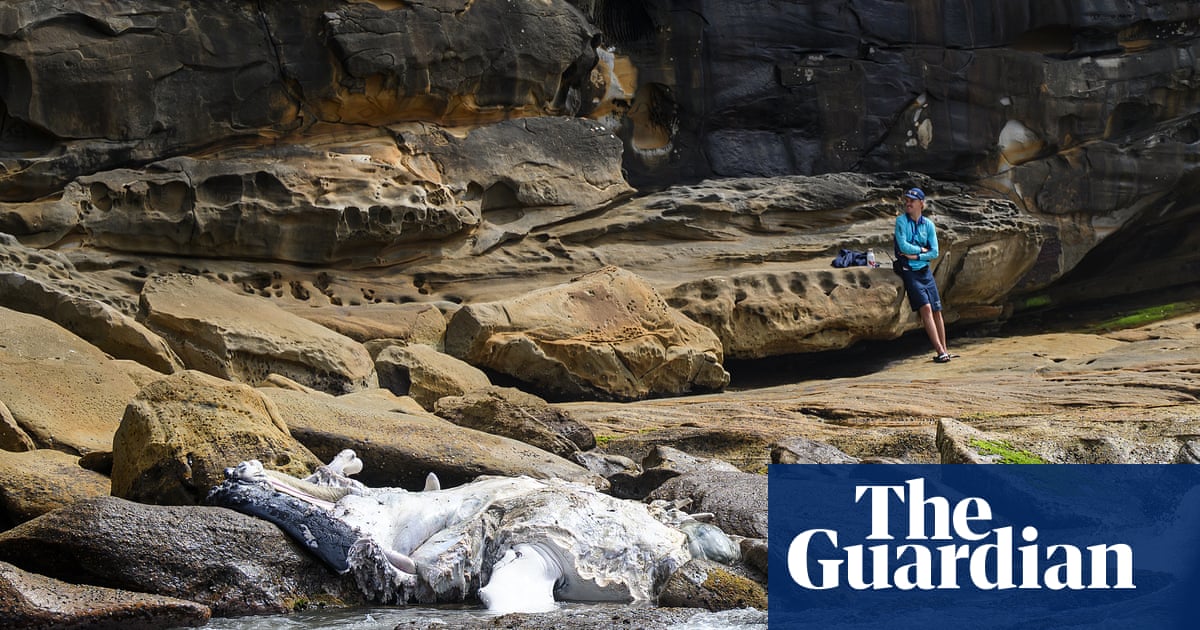
Two of Sydney’s most frequented coastal areas, Coogee and Maroubra beaches, have been shut to swimmers and surfers following the discovery of a whale carcass in Lurline Bay. The remains were found lodged in a rocky cove surrounded by cliffs in the city’s eastern suburbs on Thursday morning. Local authorities have cordoned off the immediate vicinity to protect ocean users and to allow the animal to rest undisturbed, marking a departure from previous practices where such remains might have been quickly removed.
Randwick Council officials stated that there are no current plans to extract the body. Instead, staff are working closely with Gamay Rangers to ensure the response is both environmentally sound and culturally sensitive. Dr. Clare Willington, the council mayor, emphasized that the area has been secured to keep the creature safe from public attention while prioritizing a respectful approach. This strategy acknowledges the whale as a significant totem animal for the local Bidjigal people, whose community has expressed distress in past instances where beached animals were sent to landfill.
The decision to leave the carcass in place is driven by both cultural considerations and practical realities. Robert Cooley, manager of the Gamay Rangers, noted that previous removals caused significant upset within his community. He indicated that while intervention might eventually be necessary, any such action would require consultation with cultural advisors. For now, the preference is to let natural processes handle the decomposition, viewing the event as a natural occurrence rather than a crisis requiring immediate mechanical resolution.
Safety remains a primary concern for local officials. Whale carcasses are known to attract sharks, prompting the council to contact Surf Life Saving regarding additional drone patrols. However, Willington clarified that these measures are precautionary, as there have been no confirmed reports of increased shark activity in the area. The closure of Coogee and Maroubra beaches is intended to mitigate any potential risk to swimmers while the situation is monitored. Authorities are urging residents and visitors to respect the cordoned-off zones and follow instructions from lifeguards.
The physical state of the whale presents challenges for identification and management. Cooley described the body as being in an advanced stage of decomposition, making it difficult to confirm the species with certainty, though it is believed to be a young humpback. The carcass was first spotted on Wednesday near Manly in Sydney’s northern beaches, where attempts were made to tow it out to sea. Evidence of these earlier efforts, including pieces of rope, remains attached to the animal. It eventually drifted south and became stuck in a crevice at Lurline Bay due to low tide conditions.
Environmental factors complicate the outlook for the carcass’s future. Cooley expressed uncertainty about whether rising tides would naturally return the remains to the ocean. He noted that strong north-east winds and swell are currently pushing the body back up against the rocks, creating a difficult dynamic. If the whale does end up returning to the sea, Cooley suggested that its advanced state of decay means it would likely break down quickly in the water. However, if it remains stranded, the decomposition process will continue on land under the watchful eye of rangers and council staff.
Public reaction has been a mix of curiosity and disbelief. Throughout Thursday morning, locals gathered to view the scene, with some expressing surprise at the appearance of the remains. Meeri Pajala, an au pair from Finland living in Sydney, remarked that the sight seemed almost artificial due to the unusual texture of the skin. Others, like local resident Glenda, were interested in determining whether the animal was a newborn or juvenile, noting that the body appeared less complete than expected. Despite the advanced decomposition, many onlookers were surprised by the lack of a strong odor.
This incident occurs alongside another marine emergency in Australia, where authorities are working to free a large whale stuck in shallow waters off Turners Beach on Tasmania’s north-west coast. Tasmanian police have warned the public to avoid the area and stay out of the water during incoming tides due to anticipated danger. While the two events are geographically distinct, they highlight the ongoing challenges coastal communities face when dealing with stranded marine mammals. In Sydney, the focus remains on balancing safety, cultural respect, and environmental stewardship as the situation unfolds.
The closure of these beaches is expected to last until further notice, depending on how the carcass decomposes and whether it poses a continued risk. The collaborative approach between local government and Indigenous rangers sets a precedent for handling similar events in the future, emphasizing dignity and ecological awareness over rapid removal. As conditions change, officials will continue to assess the need for intervention, ensuring that any actions taken align with both safety standards and cultural values.
Residents are advised to stay informed through official channels and avoid entering restricted areas. The incident serves as a reminder of the complex interactions between urban coastal environments and marine life. While the immediate impact is limited to beach closures and public curiosity, the long-term implications involve how communities choose to respond to natural phenomena with sensitivity and respect. The coming days will reveal whether nature resolves the situation or if human intervention becomes necessary.
Sources behind this briefing
Go to the original reporting
- The Guardian World↗‘Almost looks fake’: two Sydney beaches closed after whale carcass washes up