The short version
- Christa Pike is awake and communicating after surviving two doses of pentobarbital during a botched execution attempt in Tennessee.
- Her attorneys are seeking a court order to preserve all physical and electronic evidence related to the failed procedure.
- The incident has intensified scrutiny on state prison leadership and reignited national debate over the administration of lethal injections.
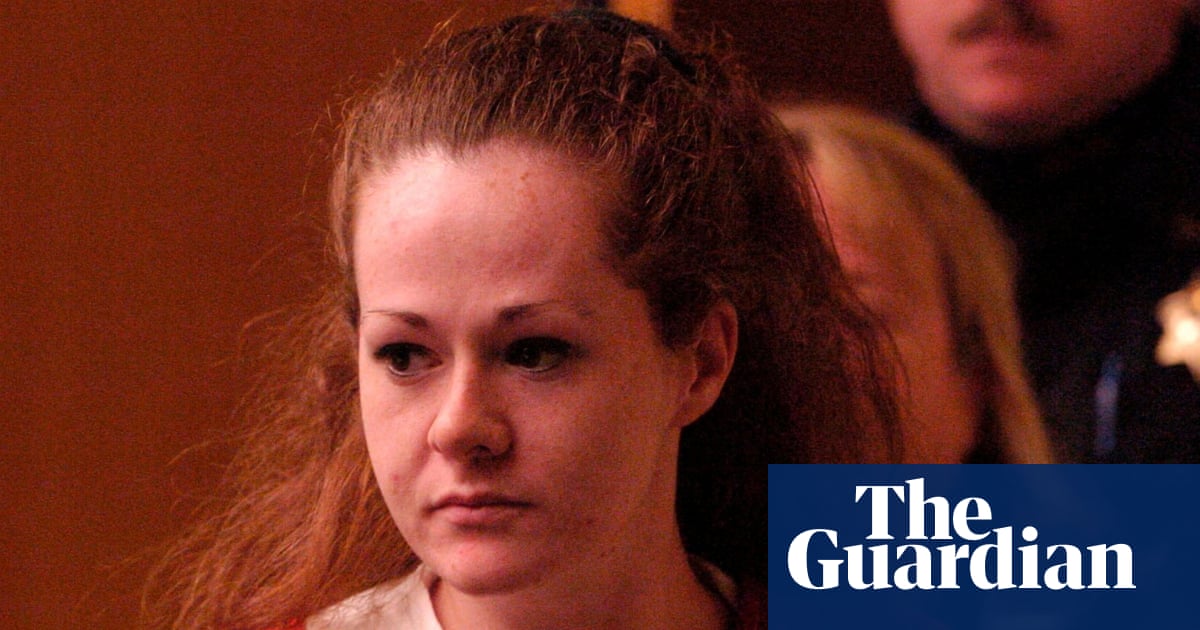
Christa Pike, a Tennessee prisoner who survived the state’s attempt to execute her last month, is now conscious and speaking while receiving medical treatment at a hospital, according to her legal representatives. This development marks a significant shift in the case that has drawn intense national attention following the failed procedure on September 30. Pike, 50, was scheduled to become the first woman executed in Tennessee in more than two centuries. Her survival after receiving two doses of pentobarbital, a sedative intended to induce unconsciousness before other lethal drugs, has prompted her attorneys to seek immediate judicial intervention regarding the preservation of evidence.
Pike’s legal team announced that they will appear in court on Wednesday to request an order compelling the Tennessee Department of Correction to retain all relevant physical, written, and electronic materials connected to the execution attempt. The lawyers emphasized that Pike remains handcuffed and shackled to her hospital bed despite suffering severe damage to her arms during the procedure. They described her recovery as medically unprecedented, noting that while her prognosis remains uncertain, a lengthy rehabilitation period is expected. The attorneys expressed gratitude to first responders and hospital staff for providing exceptional care and treating Pike with humanity during her critical condition.
Witnesses present at the Nashville prison reported hearing Pike choke and struggle for approximately an hour after receiving the initial injection. When the first dose failed to kill her, officials administered a second dose, which also proved ineffective. She was subsequently transported by ambulance to a hospital where she was placed on a ventilator and listed in critical condition. The chaotic nature of the event has led Pike’s lawyers to characterize the process as cruel and torturous. One attorney noted that he counted seven needles in Pike’s left arm during the attempt, with one appearing bent upon removal. Legal counsel had previously warned officials about potential difficulties in locating veins, arguing that proceeding could cause unnecessary suffering, but state authorities moved forward with the execution despite these concerns.
The failed execution has sparked widespread condemnation across the political spectrum and among death penalty abolition advocates. Helen Prejean, a prominent Catholic nun and anti-death penalty activist, described the event as the essence of cruelty, highlighting the mental torture inflicted on a conscious human being who was rendered defenseless. The incident has also triggered significant administrative consequences within Tennessee’s correctional system. Frank Strada, the state’s prison chief, resigned in the aftermath of the botched attempt. Strada faced intensifying scrutiny, with Pike’s legal team pointing out that this was the fifth execution under his leadership across two states that had been characterized as botched or problematic.
Pike’s case stems from a 1995 murder at the Knoxville Job Corps center. Prosecutors allege that Pike and her then-boyfriend, Tadaryl Shipp, who was 17 at the time, lured their classmate Colleen Slemmer into a wooded area behind a university steam plant. According to court records, Pike feared Slemmer was attempting to take Shipp away from her. The pair tortured and killed the 19-year-old victim. Shipp was convicted of first-degree murder in 1997 and sentenced to life imprisonment with the possibility of parole. Pike has never denied her involvement in Slemmer’s death. Her legal defense has long focused on her mental health history, including diagnoses of bipolar disorder and post-traumatic stress disorder, as well as a childhood marked by severe abuse, including multiple rapes and beatings by relatives.
During her time on death row, Pike spent nearly three decades in solitary confinement. Her attorneys continue to advocate for the commutation of her sentence to life imprisonment without the possibility of parole, citing both the traumatic nature of the failed execution and her long history of isolation and mental health struggles. The upcoming court hearing will focus on evidence preservation, but the broader implications of Pike’s survival extend beyond this single case. The incident has reignited questions about the reliability and humanity of lethal injection protocols in American prisons.
As Pike begins her recovery, her legal team plans to hold a press conference to provide further updates. The situation remains fluid, with medical professionals monitoring her condition closely. The preservation of evidence is critical for any potential future litigation or investigations into the conduct of state officials during the execution attempt. The case underscores the complex intersection of capital punishment, mental health, and procedural integrity in the American justice system.
The resignation of Prison Chief Strada signals a potential shift in how Tennessee manages its death row operations. Critics argue that the repeated failures under his tenure demonstrate systemic issues that require comprehensive reform. Supporters of the death penalty face renewed pressure to address concerns about botched executions and the suffering they cause. Pike’s survival serves as a stark reminder of the risks inherent in state-sanctioned executions, particularly when medical complications arise during the administration of lethal drugs.
In the coming weeks, the court’s decision on evidence preservation will be closely watched by legal experts and human rights organizations. The outcome could set precedents for how states handle similar situations in the future. Pike’s case highlights the urgent need for transparency and accountability in the execution process. As she continues to recover, the public discourse surrounding capital punishment is likely to intensify, with advocates on both sides using her story to bolster their respective arguments.
The emotional toll of the event extends beyond Pike herself to her family, legal team, and the broader community affected by the case. The media coverage has brought renewed attention to the history of women on death row in the United States and the specific challenges they face. Pike’s journey from a failed execution to conscious recovery is unprecedented, offering a unique lens through which to examine the ethics and practicalities of capital punishment. The coming days will reveal whether the legal system can provide justice and clarity in the wake of such a traumatic event.
Sources behind this briefing
Go to the original reporting
- The Guardian World↗Christa Pike is conscious and speaking after botched execution attempt, lawyers say