The short version
- Satellite images show eight Chinese-made light attack jets and military vehicles at the Ban Keun airport facility in Laos.
- The site represents Beijing's first overseas base capable of supporting fighter aircraft, expanding its limited network of foreign military outposts.
- Regional neighbors are monitoring the development closely, while analysts note the base currently lacks the capacity for major combat operations.
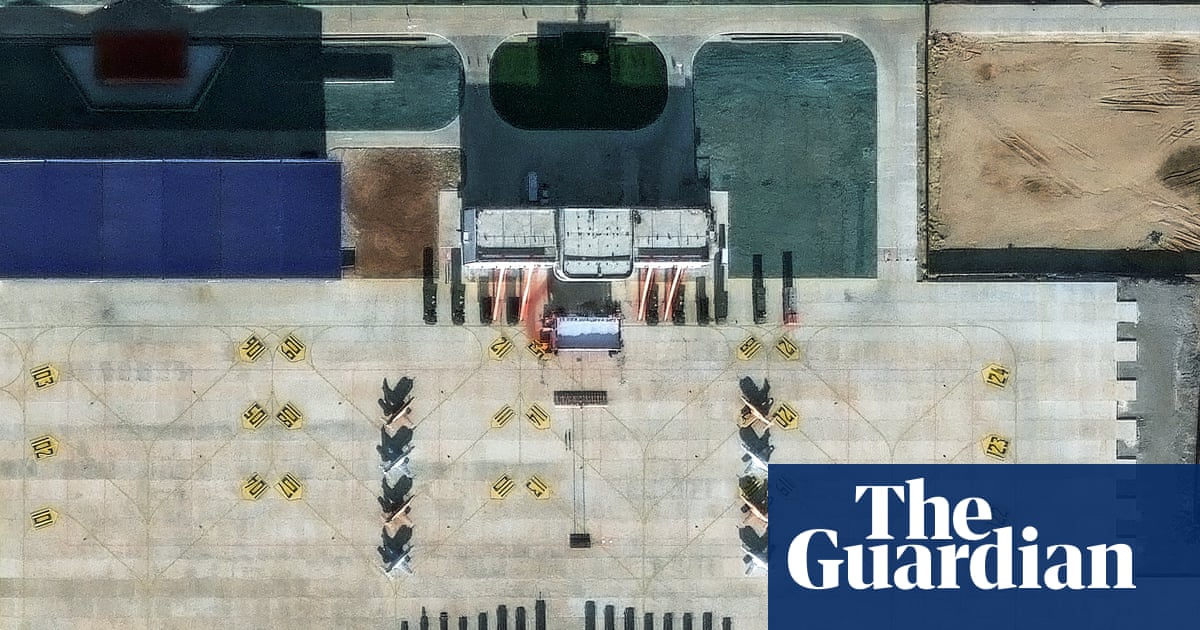
Commercial satellite imagery has confirmed the presence of Chinese attack jets at a newly established military facility in Laos, marking a significant shift in Beijing’s overseas defense posture. The images, captured by the provider Vantor shortly after the site’s official opening, depict eight light attack aircraft stationed at Ban Keun airport near the capital, Vientiane. Alongside the aircraft, more than a dozen military vehicles are visible, arranged in organized rows within the compound.
The facility, described by Chinese officials as a joint support and training center, officially opened on September 29. This development grants the People’s Liberation Army Air Force its first operational foothold in mainland Southeast Asia capable of handling fighter jets. Prior to this announcement, China’s overseas military infrastructure was largely confined to island bases in the disputed South China Sea and a single logistics hub in Djibouti.
Visual analysis indicates that the aircraft match the profile of the Hongdu JL-8, a two-seat trainer jet manufactured in China that can be configured for combat missions involving bomb deployment. According to data from the International Institute for Strategic Studies, Laos currently operates four such aircraft. The presence of these jets at the new site suggests an immediate integration of Chinese military assets with local forces.
The transformation of Ban Keun airport has been rapid and extensive. Satellite comparisons reveal that areas previously characterized by farmland and dirt paths have been replaced by new buildings and a paved runway over the past year. Current imagery also shows ongoing construction work focused on extending the runway, which could eventually allow the facility to accommodate larger aircraft, including bombers.
Chinese defense authorities stated that the center is intended to help strengthen the training of Laotian air force pilots and emphasized that it is not directed against any third party. However, security analysts view the move as a notable expansion of Beijing’s military reach. Collin Koh, a security analyst based in Singapore, suggested that this facility may represent the first full-fledged overseas base for the Chinese military in Southeast Asia.
The Institute for the Study of War has characterized the Laos site as the first PLA overseas facility focused specifically on air power. While the thinktank noted that the base is not yet equipped to support major combat operations comparable to those launched from US military bases, it does provide Beijing with alternative routes to access the South China Sea and strategic air corridors.
Regional reactions have been measured but attentive. Thailand’s defense ministry stated that it respects Laos’ sovereignty in deciding whether to host the base but will closely monitor developments to ensure mutual trust is maintained. Vietnam, which has its own territorial disputes with China in the South China Sea, is also expected to watch the situation carefully.
The historical context of Ban Keun airport adds another layer of complexity to the current developments. US forces reportedly used the site during covert operations in the 1960s and 1970s amid the Vietnam War. The recent militarization of the airport contrasts with China’s previous overseas agreements, such as the joint logistics facility in Cambodia, which lacks a runway and is focused on naval support rather than air power.
As construction continues and the potential for runway expansion remains under observation, governments in the region are likely to scrutinize future deployments. The establishment of this air-capable base signals a deepening military cooperation between Beijing and Vientiane, raising questions about the long-term strategic implications for security dynamics in Southeast Asia.
Sources behind this briefing
Go to the original reporting
- The Guardian World↗Satellite images show attack jets at Chinese military facility in Laos