The short version
- Seventy percent of Americans believe the country is in decline, a figure that has returned to levels seen in 2023 after dipping in 2025.
- Nearly half of respondents report experiencing serious financial problems due to inflation, with younger adults and minority groups facing higher rates of distress.
- Healthcare concerns have surged to become the second most pressing issue for voters, driven by insurance losses, hospital closures, and rising costs.
A significant shift in public sentiment has emerged as the 2026 midterm elections approach, with a new survey revealing widespread pessimism about the nation's trajectory. According to data from the American Communities Project at Michigan State University, seventy percent of adults now believe the United States is in decline. This figure represents a fifteen-point increase from the previous year and marks a return to the levels of gloom recorded in 2023. The reversal suggests that the temporary optimism observed in 2025 has evaporated, leaving an electorate that appears unsettled and eager for change.
The resurgence of negative outlooks is particularly notable among communities that supported President Donald Trump in the 2024 presidential election. In 2025, these groups contributed to a drop in the percentage of Americans viewing the country as declining, reflecting a sense of hopefulness in evangelical hubs, rural areas, and middle suburbs. However, the current data indicates that this optimism has faded. The return to seventy percent suggests that disillusionment has deepened within these specific demographics, eroding the positive sentiment that had briefly taken hold two years prior.
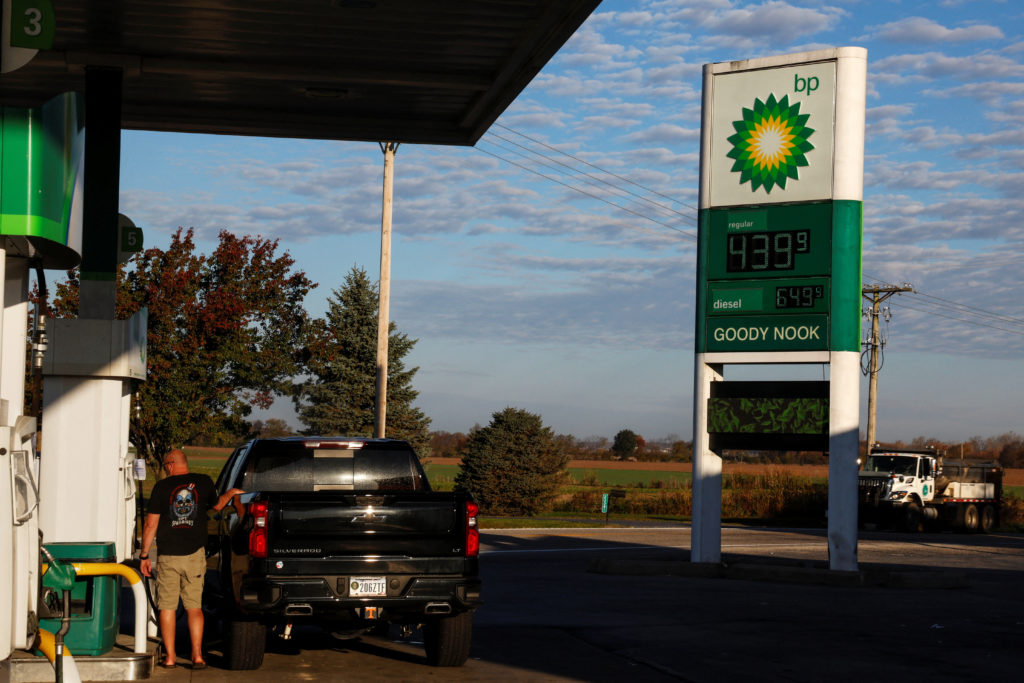
Economic anxiety remains the primary driver of this discontent. Inflation continues to rank as the number one issue for respondents across all fifteen community types studied by the project. While cost of living concerns have been consistent since 2023, the intensity of the impact has grown sharply. Almost half of all Americans now report experiencing serious financial problems due to rising prices. This is a stark contrast to earlier years, when only twenty-seven percent cited such issues in July 2023 and thirty percent did so in 2025. The jump to forty-seven percent underscores a broadening sense of economic hardship across the country.
The burden of inflation is not distributed evenly, with certain demographic groups facing disproportionately high levels of financial strain. Young adults aged eighteen to twenty-nine report the highest rate of serious financial problems among all generational cohorts, with sixty-one percent indicating they are hurting from price increases. Similarly, people of color face significant challenges; sixty-five percent of Hispanic respondents and sixty-three percent of Black Americans reported experiencing serious financial difficulties due to inflation. These figures highlight how economic pressures are intensifying for younger voters and minority communities in particular.
Healthcare has also emerged as a critical concern, jumping ten points to become the second most important issue for voters. Thirty percent of respondents now cite healthcare as a top priority in their community, up from twenty percent in 2025. This surge in anxiety tracks with recent policy changes and public health challenges, including widespread insurance losses, hospital closures, and disease outbreaks. The financial pain associated with healthcare costs is especially acute because the dollar amounts involved are often large, compounding the stress caused by general inflation.
Specific income groups and racial demographics show heightened concern regarding medical issues. Among individuals earning between seventy-five thousand and ninety-nine thousand nine hundred ninety-nine dollars annually, thirty-six percent identified healthcare as a top issue. Black Americans also reported high levels of concern, with thirty-five percent citing healthcare as a primary worry. These statistics suggest that middle-income households and minority populations are feeling the strain of a healthcare system that is becoming less accessible and more expensive.
The combination of economic pain and declining institutional confidence paints a picture of an electorate that is deeply dissatisfied with the status quo. The survey, conducted by SSRS using an online panel and telephone interviews, included 2,155 American adults over two weeks in September 2026. With a margin of error of plus or minus 2.4 percentage points, the findings offer a reliable snapshot of national mood. The data indicates that voters are not just unhappy with specific policies but are questioning the broader direction of the country.
As the midterm elections near, these attitudes will likely influence voter behavior and candidate messaging. The American Communities Project plans to field this same survey again after the new Congress is seated in November, allowing for a comparison of how opinions shift following the election results. For now, the data reflects a moment of significant uncertainty and distress, with many Americans feeling that their financial security and national stability are under threat.
Sources behind this briefing
Go to the original reporting
- PBS NewsHour↗New survey finds more than two-thirds of Americans believe their country is in decline