The short version
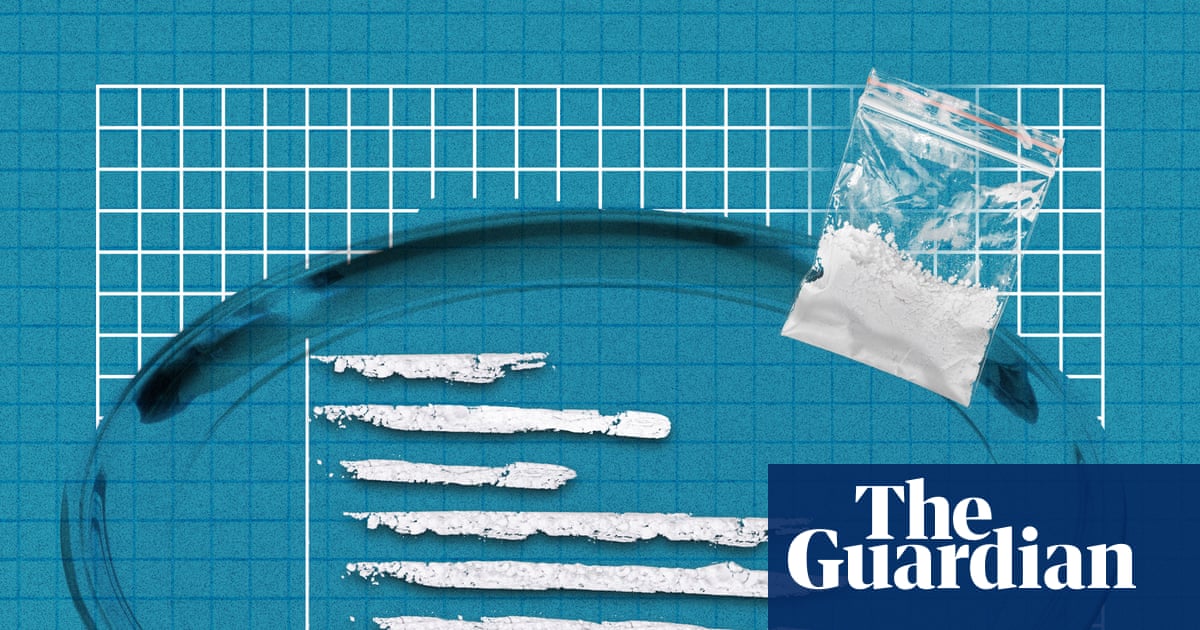
- Police recorded a ten percent increase in cocaine-associated crimes since 2019, with wastewater analysis suggesting consumption reached roughly two billion lines in the last year.
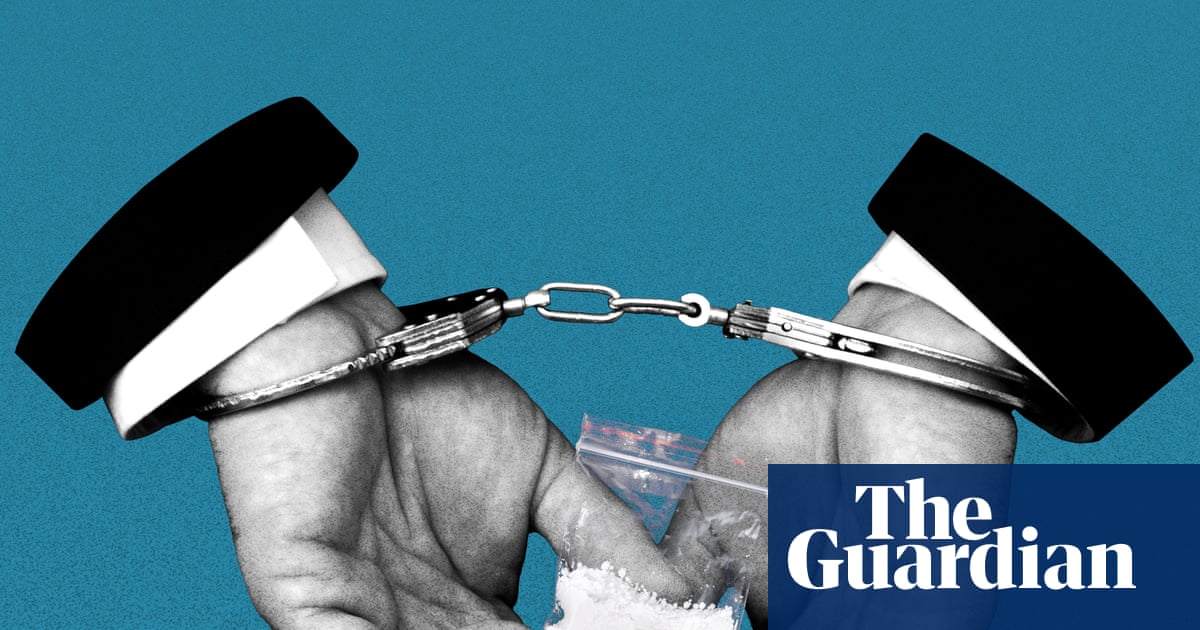
- Cocaine is increasingly linked to domestic abuse and drug-driving offenses, which have surpassed drink-driving violations for the first time in recent data.
- Experts warn that while the drug may not directly cause violence, it can escalate existing tensions, necessitating a shift from pure enforcement to harm reduction and prevention.
Law enforcement agencies across England are reporting a marked increase in criminal activity associated with cocaine use, coinciding with data indicating a substantial rise in consumption levels. Police forces recorded approximately thirty thousand offenses mentioning the substance in 2025, representing a rate of sixty-three cases per one hundred thousand residents. This figure reflects a ten percent growth from 2019 levels and suggests a continuing upward trajectory into 2026.
Wastewater analysis provides further evidence of this surge, estimating that individuals in England consumed roughly one hundred twenty-three thousand kilograms of the drug during the 2024-25 period. This volume equates to approximately two point five billion lines of cocaine, carrying an estimated street value nearing ten billion pounds. The Home Office has separately noted a twenty-six percent rise in usage at monitored sites since 2021, underscoring the scale of the trend.
The nature of offenses linked to the drug is diverse, though violent crime constitutes a significant portion. While the majority of recorded incidents involve drug possession or supply, eighteen percent were classified as violent crimes, including stalking, harassment, and at least one homicide. Sexual offenses accounted for just under four percent of reports mentioning cocaine, including hundreds of rape cases. These statistics highlight the broad social impact of increased availability.
Domestic abuse represents a particularly concerning area of intersection between drug use and criminal behavior. Police drug tests administered to individuals arrested on suspicion of domestic violence showed positive results for cocaine in nearly sixty percent of cases during the period from July 2025 to June 2026. Although these tests are not fully representative, as they often follow existing suspicions of substance involvement, the findings align with earlier pilot studies indicating high rates of stimulant use among perpetrators.
Experts caution against assuming a direct causal link between cocaine consumption and violent acts. Scientific reviews have not established strong evidence that the drug inherently induces aggression. However, researchers note that intoxication can exacerbate underlying issues such as jealousy and loss of control, potentially intensifying abusive dynamics in relationships already fraught with power imbalances. The presence of the substance in crime records does not automatically prove it caused the offense.
Road safety data reveals another significant shift, with drug-driving offenses overtaking drink-driving violations for the first time in recent years. In 2025, nearly thirty-one thousand drug-related infractions were added to driving licenses, a twenty-eight percent increase since 2022. Conversely, drink-driving offenses declined by seventeen percent. Government figures indicate that cocaine and cannabis are now the most common illegal substances involved in road fatalities, raising new challenges for traffic enforcement.
The rise in drug-driving incidents may be driven by a smaller group of repeat offenders rather than a broad increase in casual use. Data suggests that individuals convicted of driving under the influence of drugs are more likely to reoffend compared to those who drive while intoxicated by alcohol. This pattern implies that targeted interventions for habitual offenders could be more effective than general deterrence strategies.
Law enforcement leaders argue that policing alone cannot resolve the underlying issues fueling this trend. The illegal drug market remains highly profitable, sustained by demand and characterized by violence and exploitation. An independent advisory report highlighted the lack of a coordinated national prevention strategy with dedicated funding, despite evidence supporting the effectiveness of such programs. Officials emphasize the need to reduce demand, prevent initial use, and provide treatment opportunities for those dependent on substances.
The normalization of cocaine use has shifted its perception from an elite social lubricant to a commonplace substance found in various settings, including pubs and workplaces. This cultural shift complicates enforcement efforts and public health responses. As consumption remains high and purity levels stay elevated due to low costs, authorities face the dual challenge of managing immediate criminal consequences while addressing long-term societal impacts through comprehensive prevention and support systems.
Sources behind this briefing
Go to the original reporting
- The Guardian World↗Cocaine-linked crimes on the rise in Britain as consumption surges