The short version
- The Supreme Court heard its first arguments of the new term regarding climate change liability, focusing on a lawsuit brought by Boulder, Colorado, against major energy companies.
- Justice Samuel Alito recused himself due to financial holdings in the oil and gas sector, creating the possibility of a 4-4 split that would uphold the lower court's permission for the case to proceed.
- Defense attorneys warned that allowing such lawsuits could trigger billions in damages across dozens of similar cases nationwide, while justices expressed uncertainty about establishing a clear legal majority.
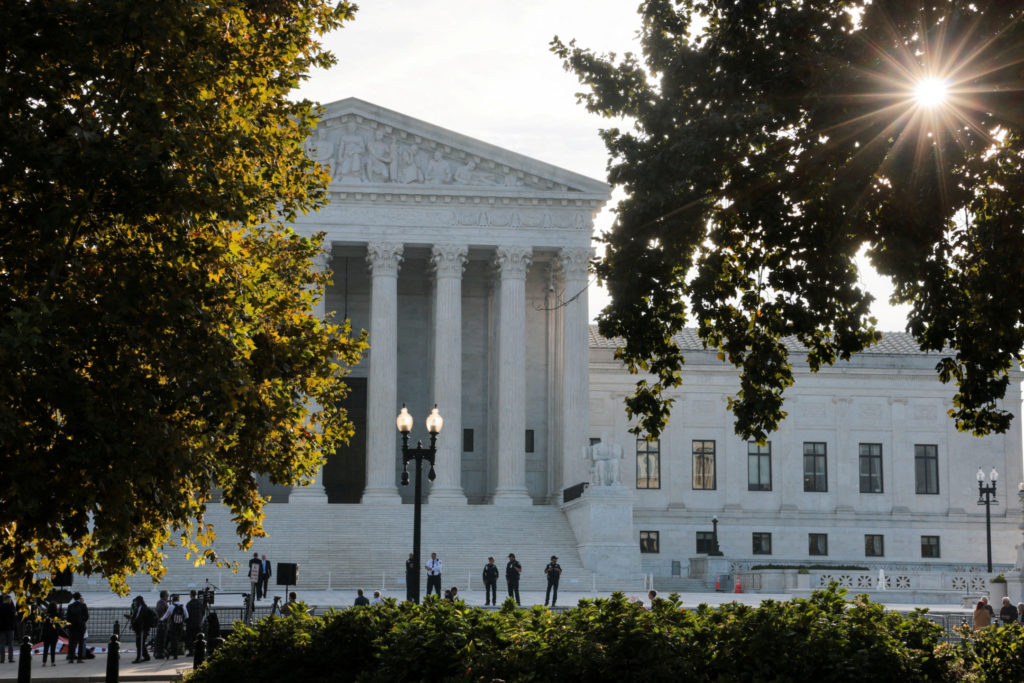
The United States Supreme Court opened its new term with arguments centered on the expanding legal frontier of climate change accountability. Justices considered a significant case brought by officials in Boulder, Colorado, who are seeking financial compensation from energy giants Suncor and ExxonMobil. The city argues that these companies should bear the costs of natural disasters exacerbated by global warming, marking a pivotal moment for how municipalities might hold industries responsible for environmental damage.
The composition of the bench was altered for this hearing after Justice Samuel Alito recused himself. His withdrawal stemmed from his ownership of stock in oil and gas companies, a conflict that reduced the participating justices to eight. This structural change introduces a distinct possibility of a 4-4 tie vote. In such an event, the Supreme Court would issue no opinion on the merits, leaving the decision of the Colorado Supreme Court intact. That lower ruling had previously determined that Boulder’s lawsuit could move forward to trial.
During the proceedings, legal analysts noted a lack of clear consensus among the justices regarding the outcome. Conservative members of the court voiced apprehension about the broader implications of allowing the case to proceed. They suggested that a ruling in favor of Boulder might open the door to a flood of similar litigation not only concerning climate change but potentially involving other causes of action across the nation. This concern reflects a broader judicial hesitation to expand liability in ways that could reshape industrial accountability.
Representing the energy companies, attorney Kannon Shanmugam emphasized the systemic risks posed by Boulder’s legal theory. He argued that the case is not an isolated incident but part of a growing wave of litigation involving more than two dozen similar suits nationwide. These cases generally rely on the premise that fossil fuel producers engaged in deceptive marketing and sales practices regarding their products’ environmental impact. Shanmugam warned that if the Supreme Court permits these claims to advance, it could expose the industry to billions of dollars in potential damages.
The defense position rests on the argument that holding energy companies liable for climate-related disasters would effectively bankrupt the sector and ultimately harm consumers through higher prices. This economic argument contrasts with Boulder’s stance that the costs of adaptation and recovery should fall on those who profited from emissions-intensive activities. The tension between these viewpoints highlights the complex interplay between environmental justice, corporate responsibility, and economic stability.
Legal experts observed that it was difficult to discern a coalescing majority around any single legal theory during the oral arguments. While some justices focused on the procedural aspects of standing and causation, others delved into the policy implications of climate litigation. The absence of a clear direction from the bench suggests that the final ruling may not arrive until early next year, leaving both plaintiffs and defendants in a state of uncertainty.
The outcome of this case will likely serve as a bellwether for other communities seeking redress for climate-related harms. If the Supreme Court sides with the energy companies and dismisses Boulder’s claims, it could effectively stall similar lawsuits across the country. Conversely, if the court allows the case to proceed or rules in favor of the city, it may embolden other municipalities to pursue compensation from polluters. The decision will thus have far-reaching consequences for environmental law and corporate liability.
Beyond this climate case, the Court’s docket for the term includes several other high-profile matters. In December, justices are scheduled to hear arguments regarding bans on semiautomatic rifles in Connecticut and Cook County, Illinois. These cases will address whether state and local governments can restrict ownership of weapons that number in the millions across the United States. Additionally, the Court will tackle immigration issues, including challenges to rapid deportation practices and policies affecting noncitizens who entered the country irregularly.
The recusal of Justice Alito underscores the increasing scrutiny of financial conflicts within the judiciary. His absence not only affects the balance of the court but also raises questions about transparency and impartiality in cases involving major industries. As the term progresses, the interplay between individual justice biases and broader legal principles will continue to shape outcomes in critical areas of public policy.
For now, Boulder and the energy companies await a decision that could redefine the boundaries of climate litigation. The stakes extend beyond Colorado, touching on fundamental questions about accountability, economic risk, and the role of the judiciary in addressing global environmental challenges. As the Court deliberates, the nation watches to see whether the legal system will become a primary arena for resolving the costs of a changing climate.
Sources behind this briefing
Go to the original reporting
- PBS NewsHour↗Supreme Court hears case on holding energy companies liable for climate change